


Building a Complete Concrete Pump Pipeline Strategy
A concrete pump is only as effective as the pipeline that carries the mix from the hopper to the placement point. The pipeline is not a passive assembly of steel tubes; it is a dynamic system that directly influences pumping pressure, concrete quality, equipment wear, and operating cost. A poorly planned pipeline can cause blockages, premature component failure, excessive downtime, and unsafe working conditions.
A complete pipeline strategy goes beyond selecting pipes of the right diameter. It includes material selection, bend configuration, connection compatibility, layout planning, wear management, maintenance routines, and cost tracking. When these elements work together, the entire pumping operation becomes more predictable, efficient, and safe.
This article provides a structured approach to building a complete concrete pump pipeline strategy for any job or fleet.
Understanding the Pipeline System
A concrete pump pipeline consists of multiple components that must function as a unified system:
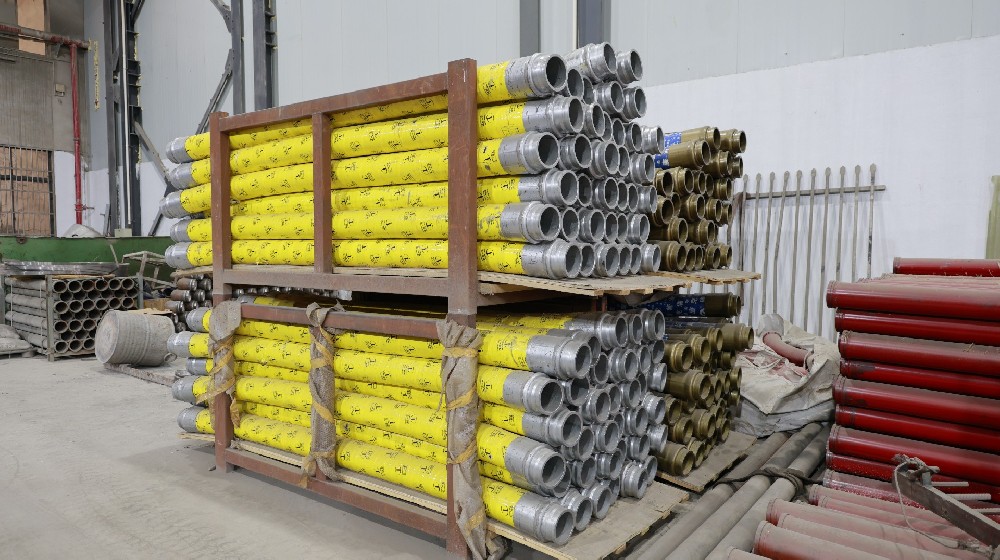
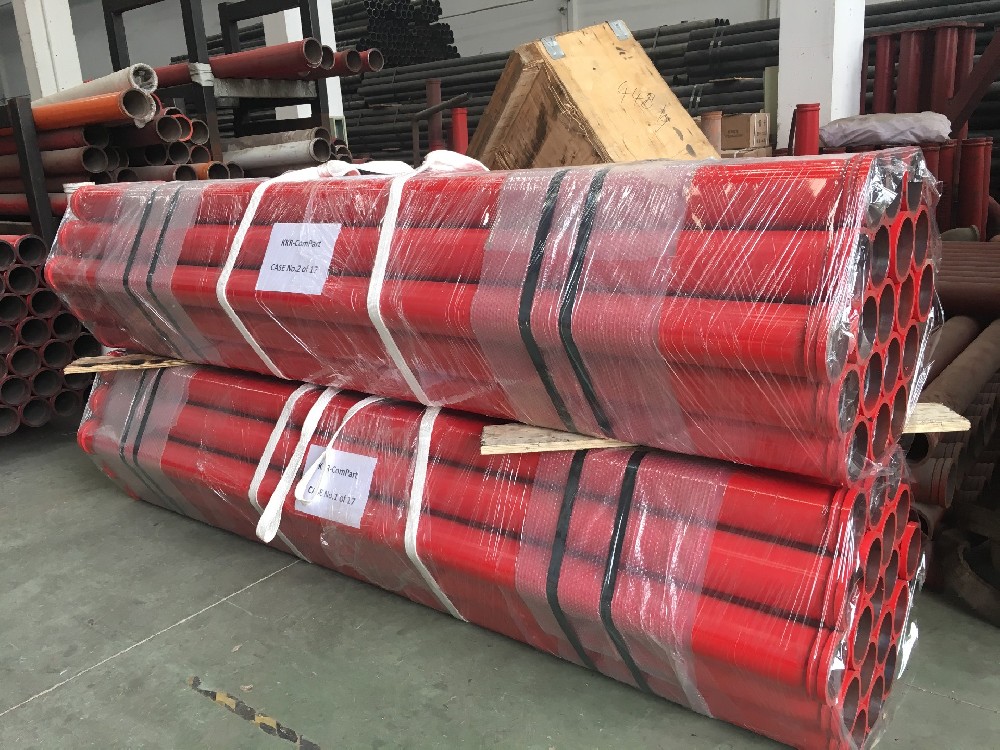
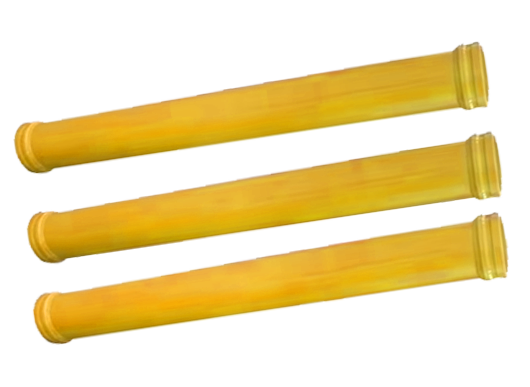
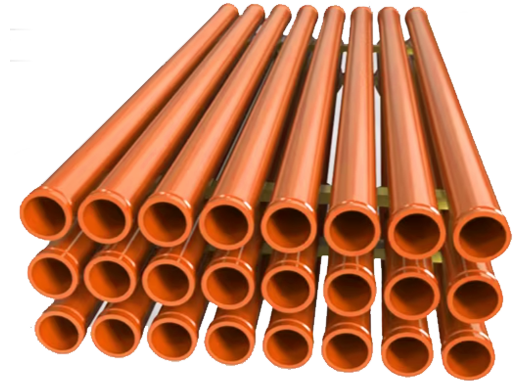
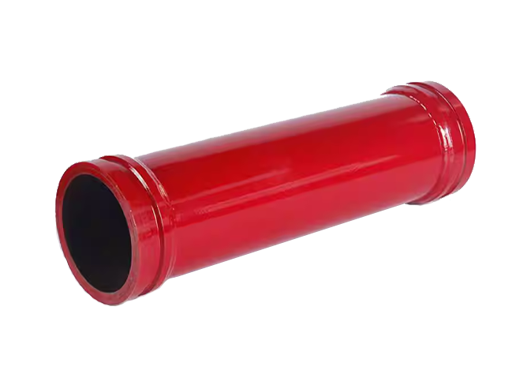
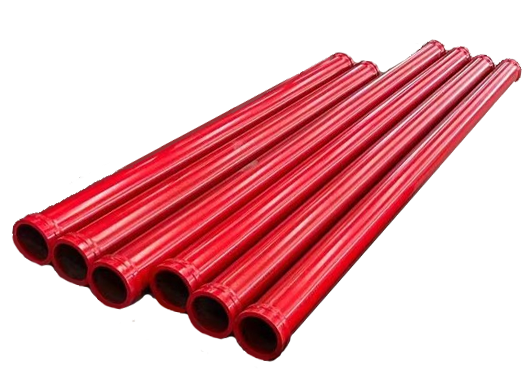
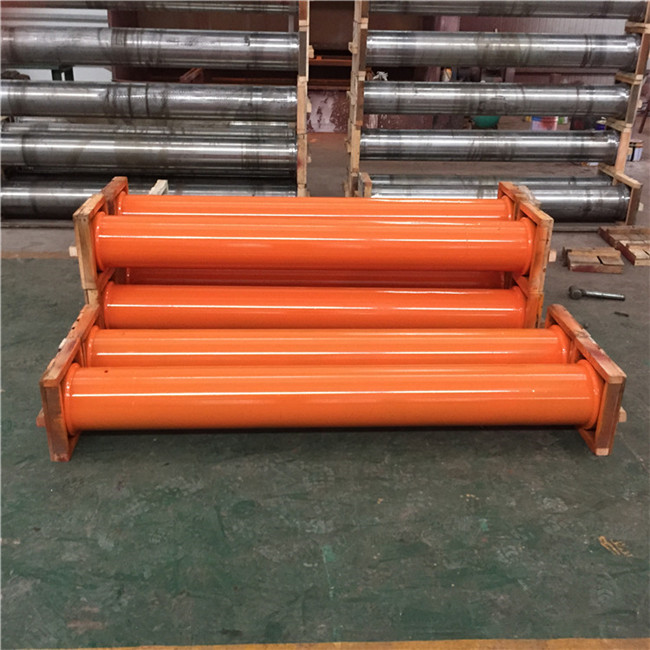
- Straight pipes – the main delivery length, available in single-layer or double-layer construction
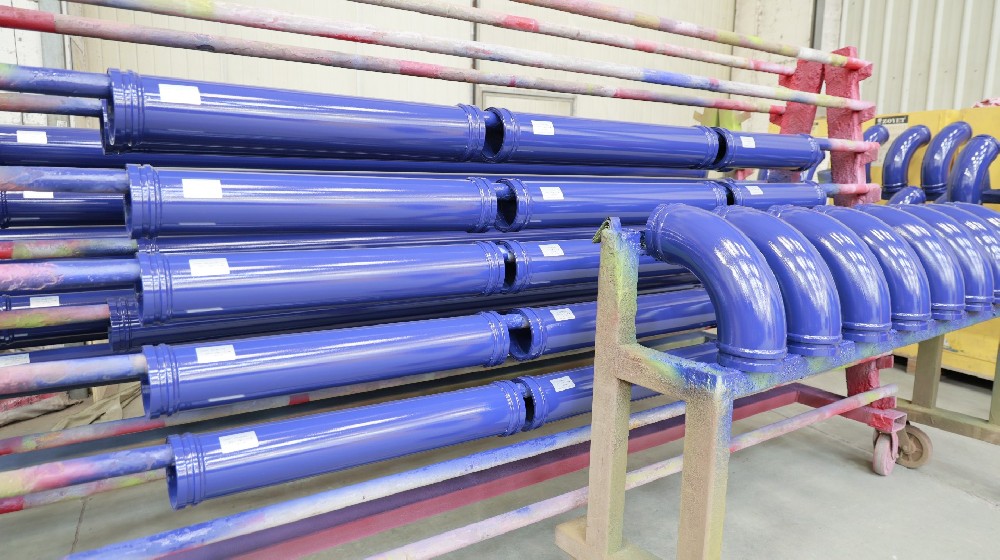
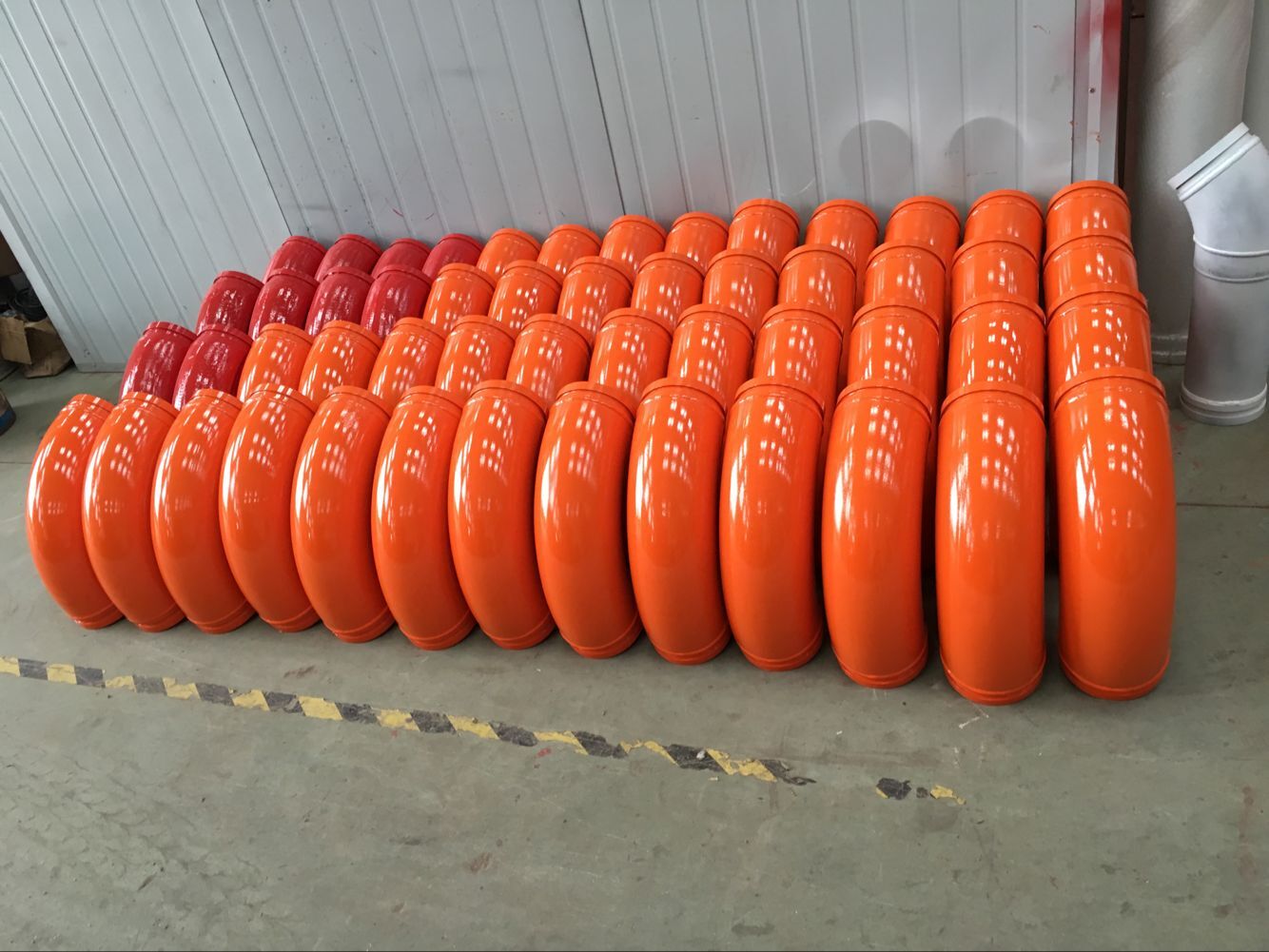
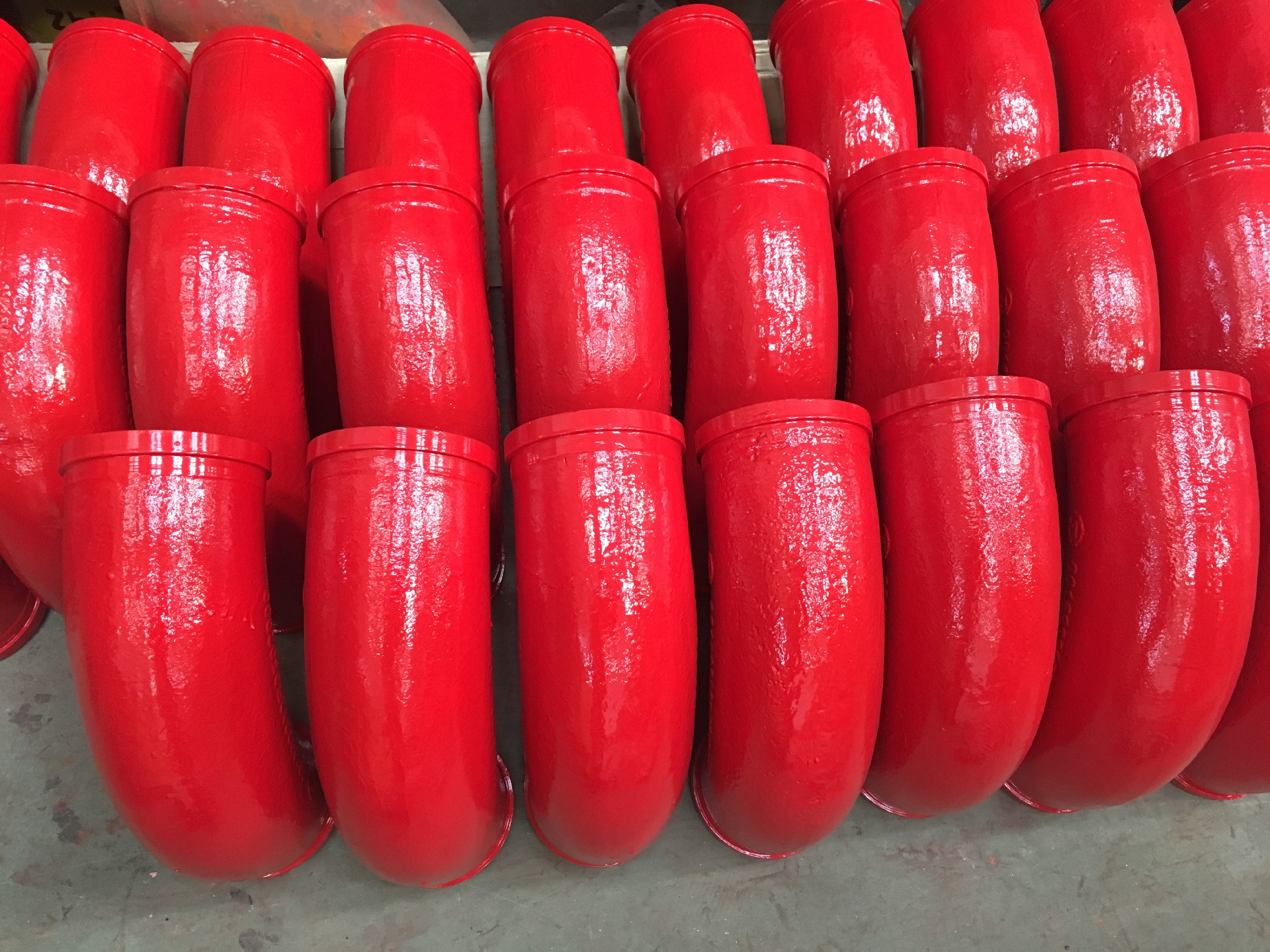
- Bends and elbows – direction changes that experience concentrated wear
- Reducers and adapters – transition between different diameters
- Couplings, clamps, and gaskets – connection points that maintain pressure and alignment
- End hoses – flexible sections near the discharge point
- Placing booms – structural support for the pipeline on truck-mounted pumps
- Cleaning accessories – sponge balls, water systems, and air blow-out tools
Each component affects the others. A change in pipe material can shift wear to bends. A tight bend can increase pressure and reduce pump output. A mismatched coupling can leak or fail under pressure. The strategy must consider the pipeline as an integrated whole.
Key Factors That Shape the Pipeline Strategy
Before selecting any component, evaluate the operating conditions. These factors determine what the pipeline must withstand.
Concrete Mix Characteristics
The concrete mix has the greatest influence on wear and pumpability. Consider:
- Aggregate type and shape – crushed rock and manufactured sand are more abrasive than rounded natural aggregates
- Aggregate size – larger aggregate can cause blockages if pipe diameter or bend radius is too small
- Cement content and admixtures – silica fume, fly ash, and fibers increase abrasiveness
- Slump and workability – stiff mixes require higher pressure and increase friction
A highly abrasive mix may justify double-layer pipes or induction-hardened surfaces. A standard mix may allow more economical single-layer pipes.
Pumping Pressure and Distance
The required pressure depends on:
- Vertical rise – high-rise pumping demands high pressure at the pump outlet
- Horizontal distance – long runs increase cumulative friction loss
- Pipe diameter – smaller diameters create more resistance
- Flow rate – higher output increases pressure
The pipeline must be rated for the maximum expected pressure, with an appropriate safety margin. Components closest to the pump experience the highest pressure and should receive priority in material selection.
Project Scale and Duration
Large projects with continuous pours benefit from components that last longer and reduce replacement downtime. Short projects or occasional use may not justify the higher initial cost of premium wear-resistant parts. The strategy should match the investment to the expected volume of concrete pumped.
Boom Load Capacity
On truck-mounted pumps, every meter of pipe adds weight to the boom. Heavier double-layer pipes or thick-walled sections may exceed the boom's load limit, reducing stability and accelerating wear on hydraulic components. The pipeline strategy must respect the boom manufacturer's specifications.
Site Layout and Space Constraints
The physical layout of the job site determines how the pipeline can be arranged. Tight spaces may force shorter radius bends. Overhead obstructions or ground conditions may require additional support structures. The pipeline strategy should be adapted to the site, not applied as a standard template.
Component Selection Strategy
Once the operating conditions are understood, select each pipeline component with a clear purpose.
Straight Pipes
Straight pipes are the backbone of the pipeline. The two main choices are single-layer and double-layer pipes.
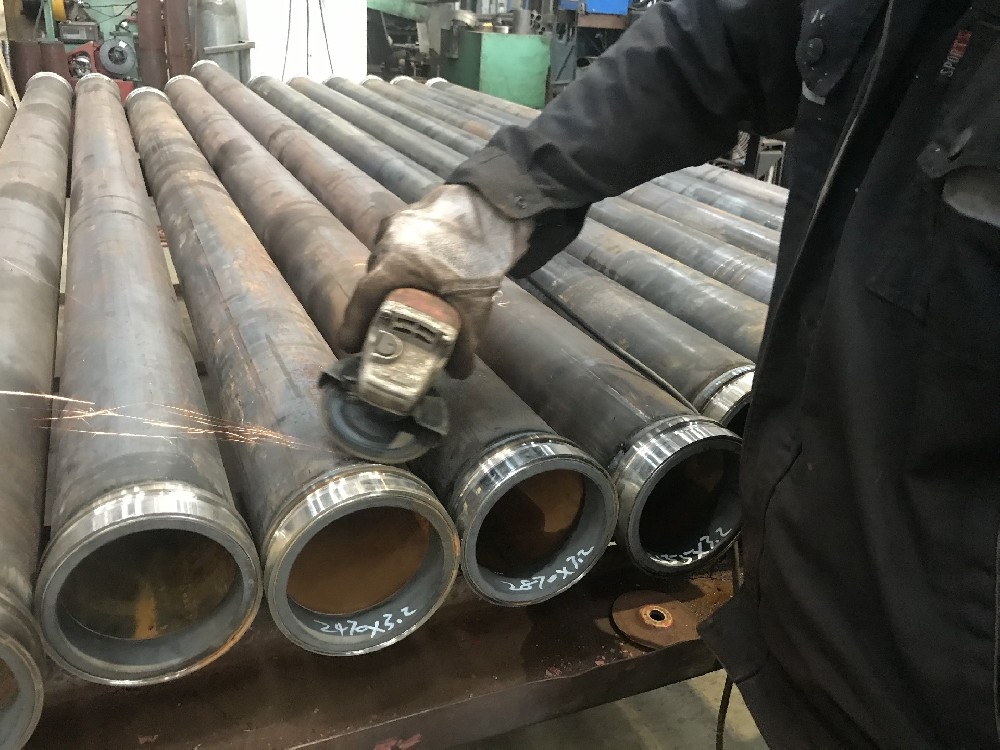
Single-layer pipes are made from one homogeneous steel tube, often with a hardened inner surface. They are lighter, less expensive, and adequate for standard mixes and moderate pressures. They require more frequent rotation and replacement in abrasive conditions.
Double-layer pipes combine a tough outer steel layer with a hard inner liner, such as high-chromium alloy or ceramic. They offer significantly longer wear life in abrasive or high-pressure applications, but they are heavier and more costly upfront.
The selection should balance wear life, weight, and total cost. For high-rise or long-distance pumping with abrasive mixes, double-layer pipes may be the practical choice. For low-rise residential work, single-layer pipes often provide the best value.
Wall thickness and pressure rating must also be verified. A pipe with the correct diameter but inadequate wall thickness is unsafe.
Bends and Elbows
Bends wear faster than straight pipes because concrete concentrates on the outer wall during direction changes. Selecting the right bend is critical for wear management.
- Long radius bends reduce wear and pressure drop compared with short radius bends, but require more space.
- Reinforced outer walls provide extra material where wear is most severe.
- Induction-hardened or double-layer bends offer extended life in abrasive conditions.
- Replaceable wear segments allow the high-wear area to be changed without replacing the entire bend.
The bend angle should be minimized where possible. A 45-degree bend generally wears less than a 90-degree bend under identical conditions. When layout permits, use multiple smaller angle bends to achieve a direction change.
Reducers and Adapters
Diameter changes in the pipeline create turbulence and localized wear. Reducers should be used only when necessary, such as transitioning between the boom pipe and a smaller delivery line. The transition should be as smooth as possible, and the reducer should be positioned in a low-wear area if feasible.
Couplings, Clamps, and Gaskets
Connection points are common sources of leaks and pressure loss. All couplings must match the pipe end type exactly—flanged, grooved, or quick-release. Gaskets must be compatible with the pressure and concrete chemistry. Worn or damaged clamps should be replaced immediately, as a single failed joint can shut down the entire pour.
End Hoses
The flexible hose at the discharge end allows the operator to direct concrete placement. End hoses experience wear from both internal abrasion and external dragging across rebar and formwork. Select hoses with appropriate pressure ratings and abrasion resistance. End hoses are often considered consumables and should be inspected and replaced regularly.
Pipeline Layout and Configuration
The physical arrangement of the pipeline affects pressure, wear, and ease of maintenance. A well-designed layout minimizes resistance and distributes wear evenly.
Minimize Bends and Direction Changes
Every bend increases pressure loss and creates a high-wear point. Plan the pipeline route to use the fewest bends possible. Where bends are unavoidable, use the longest radius that fits the space.
Avoid Sharp Diameter Transitions
Sudden changes in pipe diameter disrupt flow and increase localized wear. If a reducer is required, place it in a straight section where turbulence can dissipate before the next bend.
Support the Pipeline Properly
Unsupported pipeline sections can sag, vibrate, and misalign at joints. This increases wear and the risk of leaks. Use appropriate supports and clamps along the entire length, especially at bends and connection points. On booms, verify that the pipe weight is within the manufacturer's limits for each section.
Plan for Rotation and Replacement
Design the pipeline so that pipes and bends can be accessed for rotation and replacement. Avoid burying pipes where they cannot be reached without dismantling large sections. Flanged connections make rotation easier than permanently welded or clamped systems.
Consider Cleaning Access
Blockages are more likely when the pipeline is difficult to clean. Include access points for cleaning sponge balls or water flushing. The pipeline should be designed so that a blockage can be located and cleared without excessive downtime.
Wear Management Plan
Wear is inevitable in concrete pumping. The goal is to manage it predictably, not to eliminate it. A formal wear management plan extends component life and reduces unexpected failures.
Rotate Pipes and Bends
Concrete wears the bottom of horizontal pipes and the outer wall of bends more heavily. Rotating these components brings less-worn surfaces into the high-wear position. Rotation intervals depend on the mix and volume, but many operations rotate after every 2,000 to 4,000 cubic meters of concrete. Bends may require rotation more frequently.
Measure Wall Thickness Regularly
Use an ultrasonic thickness gauge to monitor wear at critical points. For straight pipes, measure the bottom and sides. For bends, focus on the outer radius. Record measurements over time to establish wear rates and predict replacement dates.
Establish Replacement Thresholds
Set a minimum wall thickness below which a component is removed from service. This threshold should be based on the manufacturer's recommendation and the working pressure. Do not wait for visible signs of wear or failure.
Track Component Service Life
Maintain a log of each pipe, bend, and hose, recording when it was installed, rotated, and replaced. This data reveals which materials and designs perform best in your specific conditions, allowing future purchasing decisions to be based on evidence rather than guesswork.
Maintenance and Cleaning Protocols
A pipeline that is not cleaned and maintained will fail prematurely, regardless of the initial component quality.
Clean After Every Pour
Residual concrete left inside the pipeline hardens and creates blockages. After each pour, flush the line with water and, where appropriate, run a cleaning sponge ball through the system. Ensure all concrete is removed before it sets.
Inspect Joints and Seals
Before each use, check all couplings, gaskets, and clamps for wear, cracks, or deformation. A damaged joint can fail under pressure. Replace suspect components before pumping begins.
Store Components Properly
When not in use, store pipes and bends in a dry, covered area. Cap the ends to prevent moisture and debris from entering. Corrosion on the inner surface can accelerate wear and contaminate concrete.
Keep the Pipeline Free of Foreign Objects
Tools, bolts, or debris inside a pipe can damage the wall or cause blockages. Before connecting sections, visually inspect the interior. After maintenance, account for all tools and parts.
Cost Management and Total Cost of Ownership
The purchase price of pipeline components is only one part of the total cost. A complete strategy evaluates the full cost of ownership.
Balance Initial Cost and Service Life
A less expensive pipe may require replacement several times during a project. A more expensive wear-resistant pipe may last the entire job. Calculate the total cost, including replacement parts, labor, and downtime, before making a decision.
Minimize Downtime
Downtime during a pour is often the most expensive aspect of pipeline failure. The concrete supply chain is disrupted, and the quality of the placed concrete may be compromised. Investing in reliable components and maintaining a spare inventory reduces this risk.
Keep Critical Spares on Hand
At minimum, keep spare bends, end hoses, couplings, and gaskets. Bends are frequent failure points and should be stocked in the angles and connection types used on the job. A spare straight pipe or two is also advisable for larger projects.
Use Data to Optimize Purchasing
Over time, the wear tracking log will show which components provide the best value. Use this data to refine purchasing decisions, negotiate with suppliers, and adjust rotation schedules.
Common Mistakes to Avoid
Focusing Only on Pipe Diameter
Diameter is important, but material, wall thickness, pressure rating, and connection type are equally critical. A pipe that fits may not be safe or durable.
Ignoring Connection Compatibility
Flanges and couplings may look similar but have different bolt patterns, groove profiles, or sealing surfaces. A mismatch causes leaks and pressure loss.
Overloading the Boom with Heavy Pipes
Double-layer and thick-walled pipes are heavy. Exceeding the boom's load limit compromises stability and safety. Always check the manufacturer's load chart.
Neglecting Bend Wear
Bends wear faster than straight pipes and are frequent points of failure. A wear management plan that only monitors straight pipes will miss the most critical components.
Lack of Rotation
Without rotation, pipes and bends wear unevenly and must be replaced sooner. A simple rotation schedule can double or triple the service life of many components.
Not Adapting to Mix Changes
If the concrete mix changes from standard to highly abrasive, the original pipeline components may no longer be adequate. Re-evaluate the pipeline strategy whenever the mix design changes significantly.
Skipping Cleaning and Inspection
A pipeline that is not cleaned after each pour will accumulate hardened concrete and wear faster. Neglecting inspection allows small problems to become large failures.
Conclusion
A complete concrete pump pipeline strategy is more than a list of parts. It is a coordinated approach that considers the concrete mix, pumping conditions, component selection, layout, wear management, maintenance, and cost. Each element influences the others, and a weakness in one area can undermine the entire system.
The most successful operations treat the pipeline as a managed asset. They select components based on data, rotate and inspect them on a schedule, clean them consistently, and track their performance over time. This approach reduces downtime, lowers total cost, and keeps concrete flowing safely and efficiently.
Building such a strategy takes time and attention, but the payoff is clear: fewer failures, more predictable pours, and a pipeline that performs at its best for every job.