


Concrete Pumping Pipe for Bridge Construction
Concrete Pumping Pipe for Bridge Construction
Bridge construction involves demanding concrete placement conditions. Depending on the bridge design, concrete may need to be pumped across long horizontal distances, through complex layouts, or to elevated working areas. A properly selected concrete pumping pipe for bridge construction helps create a continuous and reliable delivery path between the concrete pump and the concrete placement point.
Compared with conventional construction applications, bridge projects often require careful consideration of pumping distance, concrete mix characteristics, pipeline configuration, pipe wear, connection reliability, and jobsite conditions.
This guide explains the role of concrete pumping pipes in bridge construction and provides practical information for contractors, concrete pump operators, equipment suppliers, and procurement teams.
What Is a Concrete Pumping Pipe?
A concrete pumping pipe is a specially manufactured pipe used to transport fresh concrete under pressure from a concrete pump to a designated placement location.
Concrete pumping pipes are commonly used as part of a complete delivery system that can include:
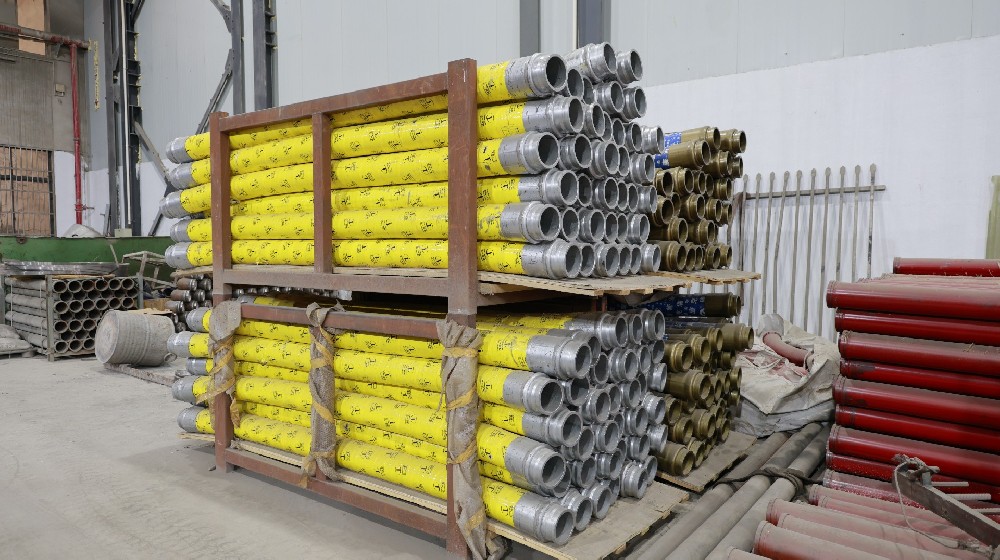
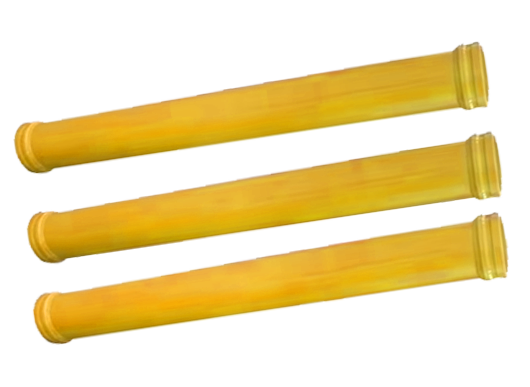
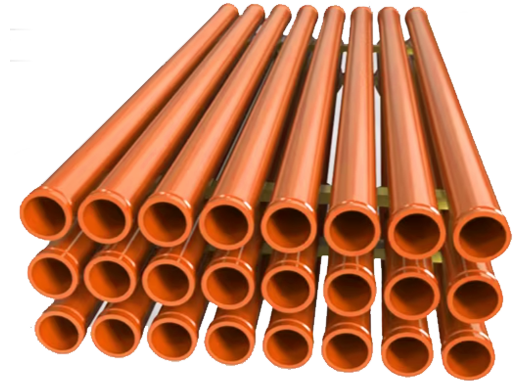
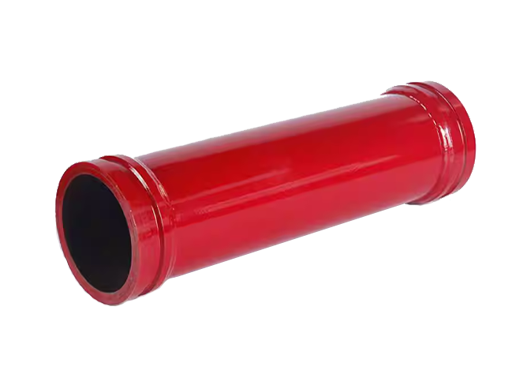
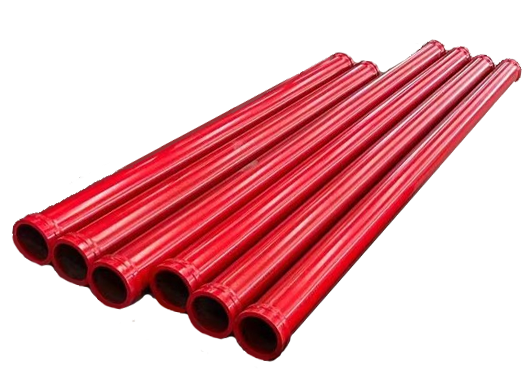
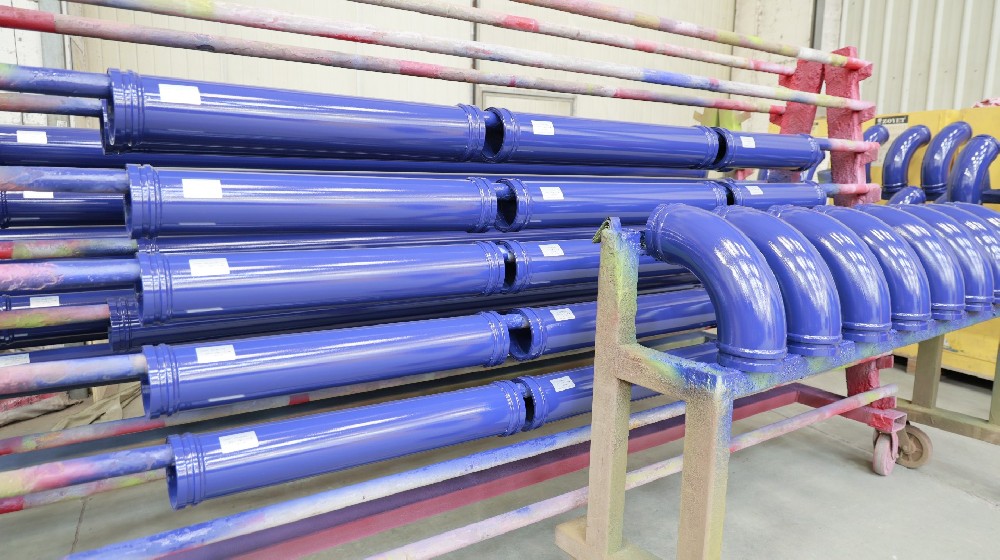
Straight concrete pump pipes
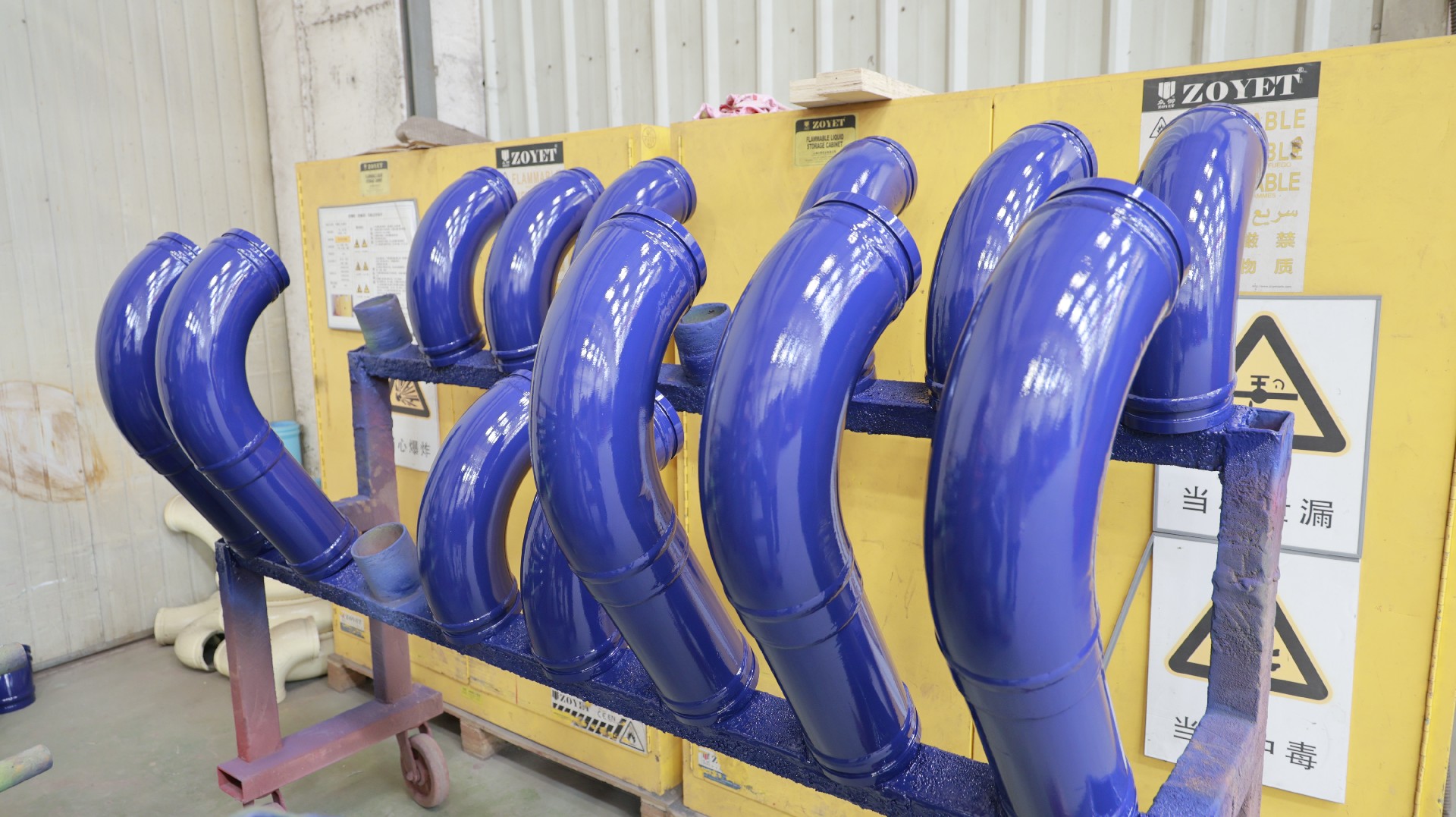
Concrete pump elbows
Reducer pipes
Couplings and clamps
Wear-resistant pipe sections
End hoses
Supporting and fixing components
The specific configuration depends on the concrete pump, delivery distance, concrete mix, project layout, and required output.
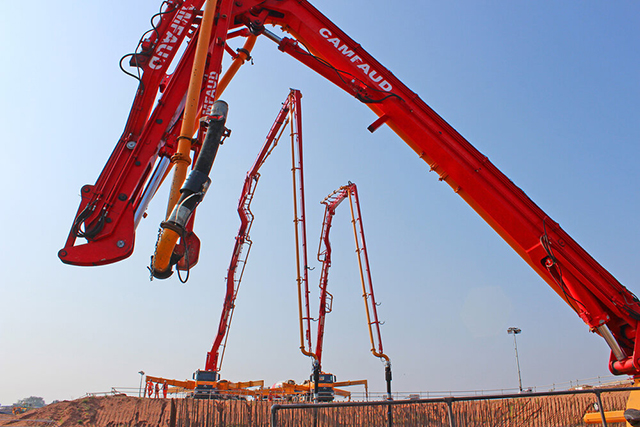
For bridge construction, the pipeline may be installed horizontally along the bridge deck, vertically through temporary structures, or across supporting areas before reaching the final placement point.
Why Concrete Pumping Pipes Are Important for Bridge Construction
Concrete placement is an important part of bridge construction. Structural components such as decks, piers, abutments, foundations, and beams may require large quantities of concrete to be delivered within coordinated construction schedules.
A suitable pumping pipe system can support several key requirements.
Long-Distance Concrete Delivery
Some bridge projects require concrete to travel a considerable distance from the pump to the placement area. Long delivery routes increase the importance of proper pipeline design.
The system should be considered according to:
Horizontal pumping distance
Vertical pumping distance
Number of elbows
Pipe diameter
Concrete properties
Pump pressure
Required concrete output
Reducing unnecessary changes in direction can help create a more efficient delivery route.
Flexible Jobsite Layouts
Bridge construction sites may have uneven terrain, temporary structures, limited access, and changing work zones.
A pumping pipeline therefore needs to be adaptable to the actual construction environment. Straight pipes can be combined with elbows and other sections to create a route that follows the project layout.
Continuous Concrete Placement
Bridge construction often involves carefully coordinated concrete placement activities. A stable pumping system helps operators maintain a consistent supply of concrete to the work area.
Pipeline interruptions caused by worn components, poor connections, or inappropriate pipe selection can affect the construction sequence.
Applications of Concrete Pumping Pipe in Bridge Construction
Concrete pumping pipes are used in various bridge construction operations.
Bridge Deck Concrete Placement
Bridge decks require controlled concrete distribution over a relatively large area. A pump pipe system can transport concrete from a stationary or truck-mounted pump to different sections of the deck.
The pipeline configuration may change as construction progresses, particularly on large bridge projects.
Pier Construction
Bridge piers can require concrete to be pumped vertically into formwork. Depending on pier height and project configuration, the delivery pipeline may include vertical sections combined with elbows and flexible end hoses.
Bridge Foundations
Foundation construction can involve deep or difficult-to-access work areas. Pumping pipes can deliver concrete from the pump to the foundation location without requiring concrete trucks to access the immediate placement zone.
Abutment Construction
Abutments can include large reinforced-concrete structures with restricted access. A properly configured pumping line can help transport concrete into the required area while maintaining a controlled delivery route.
Segmental and Precast-Related Construction
Certain bridge construction methods involve concrete placement around segments, structural connections, or supporting structures. Pipe dimensions and connection methods should be matched to the pumping equipment and project requirements.
Key Factors When Choosing Concrete Pumping Pipe for Bridge Construction
Selecting a pumping pipe should be based on the working conditions rather than pipe dimensions alone.
1. Pipe Diameter
Pipe diameter directly affects the internal flow area and can influence pumping resistance.
The selected diameter should be compatible with the concrete pump outlet and the characteristics of the concrete being pumped.
Important considerations include:
Concrete aggregate size
Required pumping volume
Pump model
Pumping pressure
Delivery distance
Pipeline configuration
A suitable diameter can help maintain consistent concrete flow throughout the delivery system.
2. Pipe Wall Thickness
Wall thickness is another important specification.
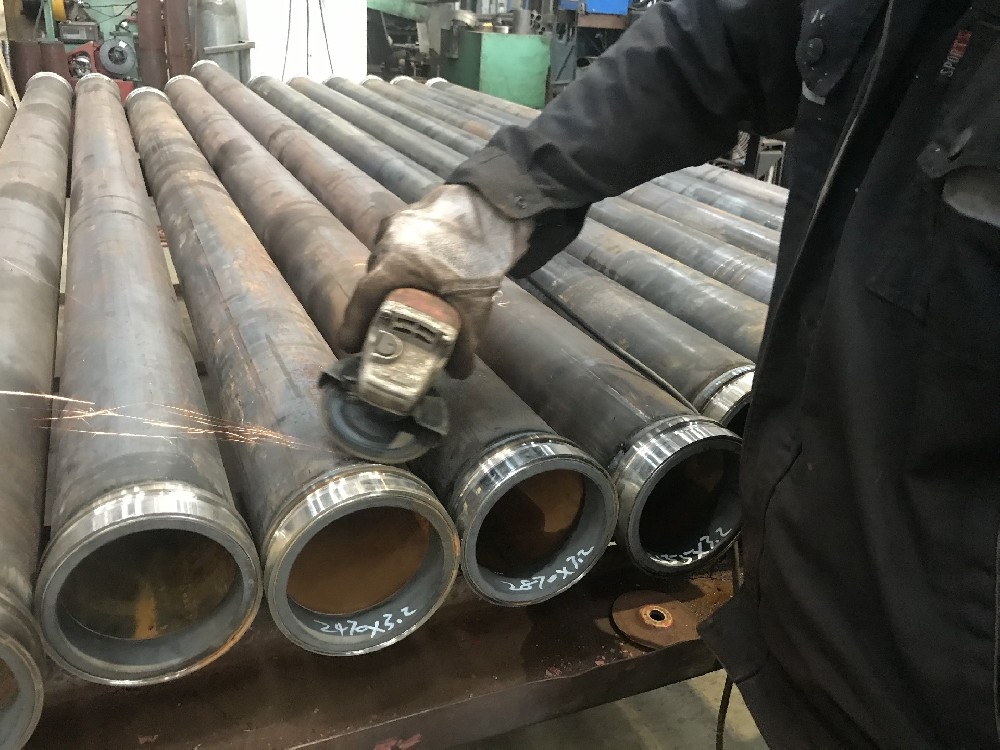
Concrete contains aggregates that can gradually wear the internal pipe wall during pumping. High-frequency bridge construction projects may place significant demands on the delivery line.
The required wall thickness depends on factors such as:
Concrete composition
Pumping frequency
Operating pressure
Expected service conditions
Pipe material
For longer service applications, wear should be considered during the initial procurement stage.
3. Pipe Material
Concrete pump pipes are available in different material configurations and manufacturing specifications.
Material selection should take into account the intended application, required mechanical strength, welding characteristics, and expected wear conditions.
For demanding bridge applications, buyers should request clear material specifications and manufacturing information from the supplier.
4. Connection Type
A bridge pumping line can contain many connections. Reliable connection performance is therefore important for maintaining the integrity of the system.
Before purchasing, contractors should confirm:
Coupling dimensions
Pipe-end dimensions
Clamp compatibility
Sealing method
Connection strength
Interchangeability with existing equipment
Using compatible components throughout the pipeline simplifies installation and maintenance.
5. Elbow Configuration
Elbows allow the delivery line to change direction around bridge structures, formwork, support systems, and other obstacles.
However, elbows can experience different wear patterns from straight pipes because the flow direction changes inside the bend.
For projects involving frequent concrete pumping, the selection of elbow material, radius, wall thickness, and connection type deserves particular attention.
Concrete Pumping Pipe Layout for Bridge Projects
Pipeline layout has a direct relationship with pumping conditions.
A typical bridge concrete delivery system may include a combination of horizontal, vertical, and inclined sections.
Horizontal Pipeline
Horizontal sections can transport concrete from the pump to the bridge structure. The route should be planned to avoid unnecessary bends and sharp changes in direction.
Vertical Pipeline
Vertical sections are used when concrete must be transported upward or downward. Proper support is particularly important because the pipeline experiences its own weight as well as dynamic forces during pumping.
Inclined Pipeline
Some bridge sites involve sloped terrain or inclined structural sections. The delivery line should be arranged with consideration for the pumping characteristics of the concrete mix and the geometry of the site.
End Hose
The end hose provides flexibility at the final placement point and allows operators to position concrete more precisely.
Its length and operating method should be compatible with the pumping system and the site requirements.
Concrete Mix and Pumping Pipe Performance
The performance of a pumping pipe cannot be considered separately from the concrete mix.
Concrete properties can affect flow resistance, pump pressure, and internal pipe wear.
Relevant factors include:
Slump
Aggregate grading
Maximum aggregate size
Cementitious material content
Water-to-cementitious-material ratio
Admixture selection
Workability retention
Concrete intended for pumping should be designed according to the project specification and pumping conditions.
A suitable pipeline should then be selected based on those actual working conditions rather than relying only on standard dimensions.
Wear Resistance in Concrete Pumping Pipes
Wear is a normal consideration for concrete delivery equipment.
As concrete moves through the pipe, aggregates can gradually remove material from the internal wall. The rate of wear varies according to concrete composition, flow velocity, pumping pressure, pipe geometry, and operating frequency.
Straight pipes can experience gradual uniform wear, while elbows may experience more localized wear.
For bridge contractors, it can be useful to establish an inspection program that focuses on frequently used sections.
Common Wear-Prone Areas
The following areas may require closer inspection:
Elbows
Pipe ends
Frequently reused straight sections
Sections near changes in direction
Pipeline areas exposed to frequent pumping
Monitoring wall thickness can help determine when a pipe section should be replaced.
How to Maintain Concrete Pumping Pipes on Bridge Projects
Proper maintenance helps keep the delivery system in suitable operating condition.
Clean the Pipeline After Pumping
Residual concrete can harden inside the pipe if the delivery line is not cleaned properly after use.
Cleaning procedures should follow the equipment manufacturer's recommendations and project safety requirements.
Inspect Pipe Wall Thickness
Regular wall-thickness inspection can help identify sections approaching the end of their useful service condition.
For frequently reused pipe systems, inspection records can provide valuable information for replacement planning.
Check Couplings and Clamps
Connection components should be checked for damage, wear, deformation, and sealing problems.
A connection that does not fit correctly can create leakage and interrupt concrete placement.
Inspect Pipe Ends
Pipe ends can become damaged through repeated installation and removal. Deformed or excessively worn ends may affect coupling performance.
Store Pipes Correctly
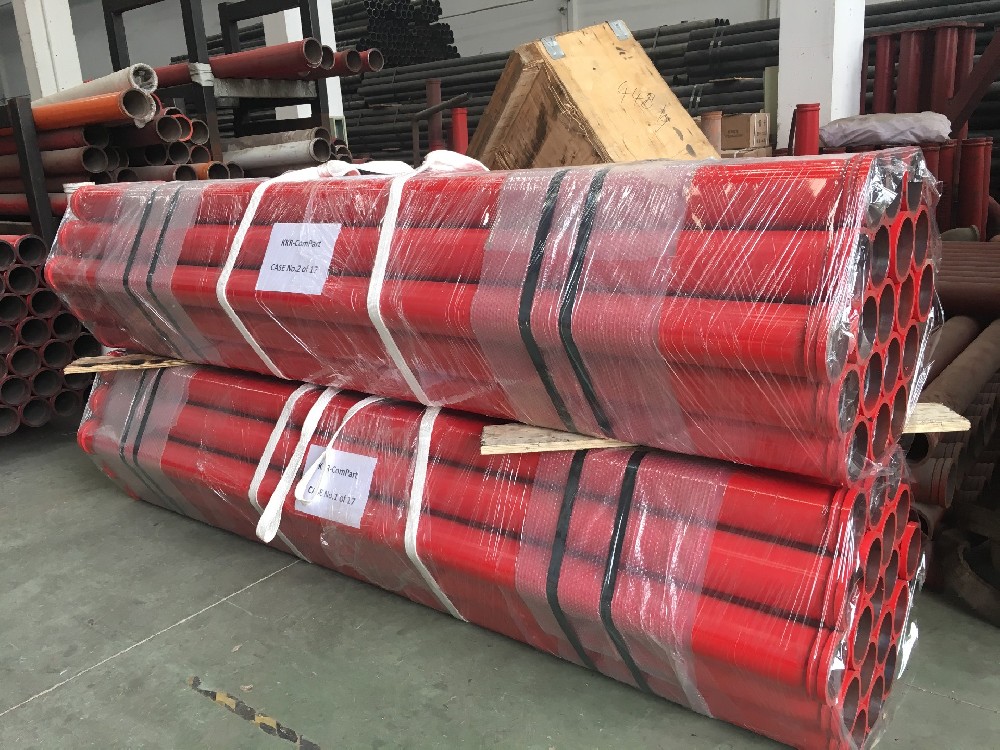
When the pipeline is not in use, pipes should be stored in a suitable environment that limits unnecessary mechanical damage and contamination.
Common Concrete Pumping Pipe Problems in Bridge Construction
Understanding typical problems can help contractors develop better preventive practices.
Concrete Blockage
Blockage may occur when concrete loses workability, the pumping operation is interrupted for an extended period, or the delivery line is not prepared correctly.
Pipeline configuration and concrete characteristics should be considered when investigating repeated blockage problems.
Leakage
Leakage may occur at pipe connections due to damaged seals, worn couplings, improper installation, or dimensional mismatch.
Regular connection inspections can help identify these problems before concrete placement begins.
Excessive Wear
If a pipe wall becomes too thin, continued use may create operational risks. High-wear sections should be identified through routine inspection.
Pipe Misalignment
Improperly aligned pipes can place additional mechanical loads on couplings and other connection components.
The delivery line should therefore be properly supported and aligned during installation.
How to Improve Concrete Pumping Efficiency on Bridge Projects
A good pumping system depends on coordination among the pump, pipeline, concrete mix, and worksite.
Plan the Pipeline Before Construction
Before installing the delivery line, project teams should determine:
Pump position
Pipeline route
Vertical and horizontal sections
Elbow locations
Support points
Final placement area
Cleaning access
Proper planning can reduce unnecessary pipeline changes during operation.
Reduce Unnecessary Bends
Every additional bend changes the direction of concrete flow. Limiting unnecessary bends can simplify the delivery line and help reduce additional resistance.
Match the Pipeline to the Concrete Pump
The delivery pipe should be compatible with the pump outlet, operating pressure, capacity, and coupling system.
Compatibility should be confirmed before purchasing replacement or additional pipe sections.
Prepare Spare Pipe Sections
Bridge construction projects may require continuous pumping over extended periods. Having suitable replacement sections available can simplify maintenance and reduce procurement delays when a pipe reaches its replacement condition.
How to Select a Concrete Pumping Pipe Supplier
Contractors and concrete equipment distributors should evaluate suppliers based on more than price.
Product Specifications
A suitable supplier should provide clear technical information covering:
Pipe diameter
Wall thickness
Material
Length
Connection type
Elbow specifications
Weight
Surface treatment, where applicable
Manufacturing Capability
Manufacturing consistency is important because pump pipes are installed as part of a connected system.
Buyers may request information regarding production processes, dimensional inspection, welding procedures, and quality control.
Compatibility
For replacement projects, compatibility with the customer's existing concrete pump and delivery system is particularly important.
Before placing an order, buyers should provide the relevant pipe dimensions and connection specifications to the supplier for confirmation.
Order Flexibility
Construction companies may need a complete delivery line for a new project or only a few replacement sections for maintenance.
A supplier that supports different order quantities can provide more flexibility for contractors and equipment distributors.
Buying Concrete Pumping Pipe for Bridge Construction
When purchasing concrete pumping pipes, procurement teams should prepare the technical requirements in advance.
A useful specification sheet may include:
Application: Bridge construction
Pump type: Stationary pump, truck-mounted pump, or other applicable equipment
Pipe diameter: According to pump and project requirements
Wall thickness: Based on operating conditions and expected wear
Pipe length: According to site configuration
Connection: Compatible with the existing delivery system
Elbow specification: Based on pipeline layout
Quantity: Based on project length and replacement requirements
Providing these details to the supplier can make quotation and technical confirmation more efficient.
Concrete Pumping Pipe for Bridge Construction: A Practical Approach
There is no single pipe specification suitable for every bridge project. Bridge type, construction method, pumping distance, concrete mix, pump capacity, and site conditions can all influence the appropriate delivery system.
For this reason, the selection process should begin with the actual working environment.
A practical approach is to:
Identify the concrete pump and its outlet specification.
Estimate horizontal and vertical pumping distances.
Determine the required pipe diameter.
Calculate the approximate number of straight pipes and elbows.
Evaluate expected wear conditions.
Confirm connection compatibility.
Establish an inspection and replacement plan.
Purchase suitable spare sections for maintenance needs.
This approach helps contractors treat the concrete pumping pipe as part of a complete delivery system rather than as an isolated component.
Conclusion
A properly selected concrete pumping pipe for bridge construction provides an important connection between concrete pumping equipment and the placement area. Bridge projects often involve long delivery routes, complex site conditions, frequent pipeline changes, and demanding concrete placement schedules.
Pipe diameter, wall thickness, material, connection design, elbow configuration, wear resistance, and maintenance requirements should all be considered during procurement.
For contractors, concrete pump equipment distributors, and project procurement teams, choosing pumping pipes according to actual operating conditions can contribute to a more manageable and consistent concrete delivery system.
By combining appropriate pipe specifications with proper pipeline planning, routine inspection, suitable cleaning procedures, and compatible concrete pumping equipment, bridge construction teams can better manage the practical demands of concrete delivery throughout the project.
Frequently Asked Questions
What is a concrete pumping pipe used for in bridge construction?
A concrete pumping pipe transports fresh concrete under pressure from a concrete pump to the required placement area. In bridge construction, it can be used for decks, piers, foundations, abutments, and other reinforced-concrete structures.
What pipe diameter is commonly used for concrete pumping?
The appropriate diameter depends on the concrete pump, concrete mix, aggregate size, pumping distance, and required output. The pipe should be selected according to the complete pumping system.
Are concrete pump elbows important for bridge projects?
Yes. Elbows allow the pipeline to change direction around structural elements and site obstacles. Because elbows may experience different wear patterns, their specifications should be selected carefully.
How can concrete pump pipe wear be monitored?
Visual inspection and wall-thickness measurement can be used to monitor wear. Frequently used elbows and other high-wear sections may require more frequent inspection.
Can the same concrete pumping pipe be used on different pumps?
Only when the dimensions, pressure requirements, connection type, and other technical specifications are compatible. Buyers should confirm compatibility before using a pipe with a different concrete pump.
What should contractors consider when purchasing bridge concrete pump pipes?
Contractors should consider pipe diameter, wall thickness, material, pipe length, connection type, elbow configuration, concrete characteristics, pumping distance, expected usage frequency, and compatibility with existing equipment.