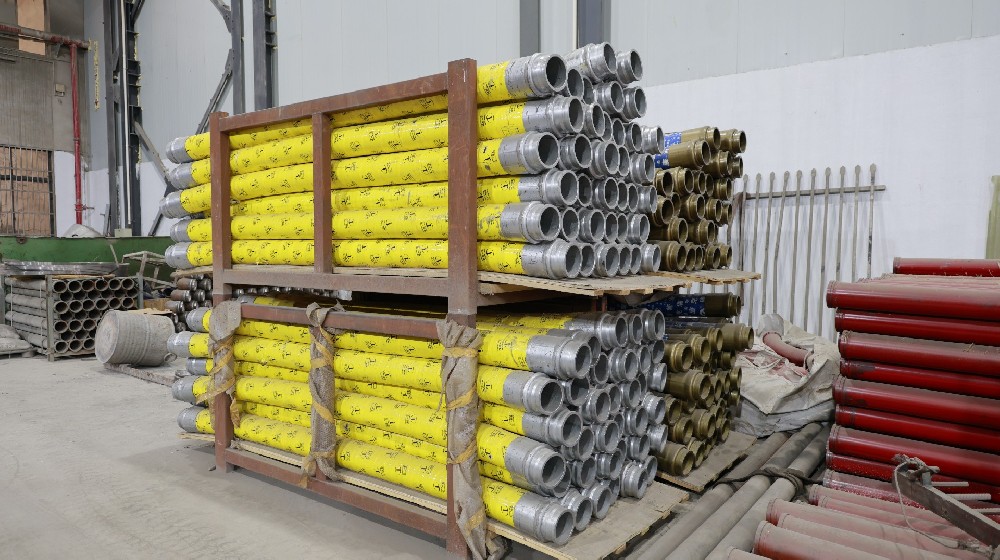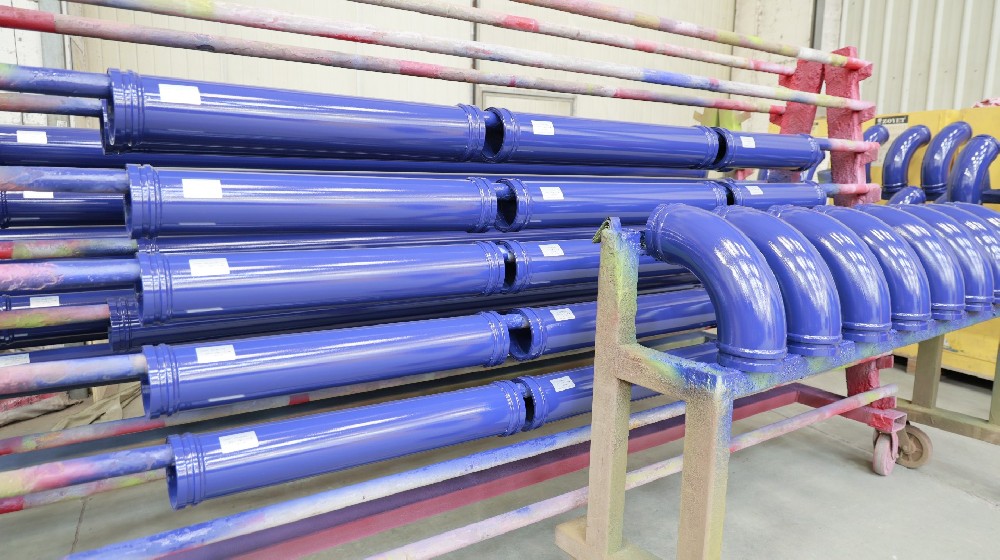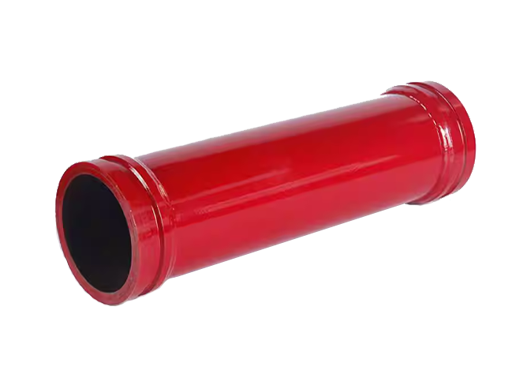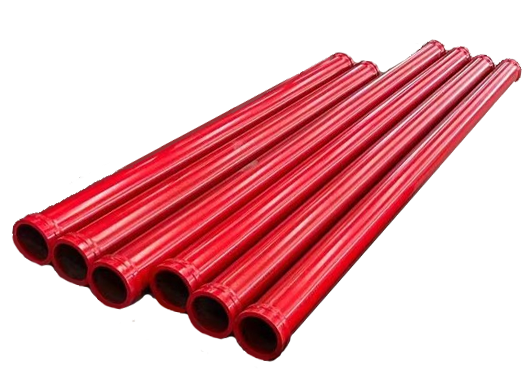



Why is it not enough to replace the boom tube of a pump truck if the dimensions are "correct"?
Boom tubes on a concrete pump truck appear straightforward. A replacement tube with the same diameter and length seems like it should fit and work. In practice, matching only the basic dimensions leaves out several factors that determine safety, wear life, pressure capacity, and overall performance.
A boom tube is not a simple piece of pipe. It carries abrasive concrete under high pressure while mounted on a moving, vibrating boom. The material, wall thickness, inner surface hardness, end connections, weight, and manufacturing quality all influence how the tube performs. When any of these factors is overlooked, a dimensionally "correct" replacement can wear prematurely, leak, overload the boom, or fail under pressure.
This article explains why dimensional matching alone is not sufficient and what should be evaluated before installing a replacement boom tube.
The Problem with a Dimensions-Only Approach
A boom tube’s basic dimensions include its nominal diameter, length, and possibly the connection size. These dimensions determine whether the tube will physically fit into the boom section and connect to adjacent pipes. They do not, however, define the tube's ability to:
Contain the pump's maximum working pressure
Resist abrasive wear from the concrete mix
Operate within the boom's load capacity
Match the existing connection type and sealing method
Survive the cyclic stresses of a moving boom
Two tubes with identical outer diameter and length can have completely different wall thicknesses, steel grades, hardness profiles, and weight. Treating them as interchangeable can create serious problems.
Factors That Go Beyond Basic Dimensions
1. Material Grade and Heat Treatment
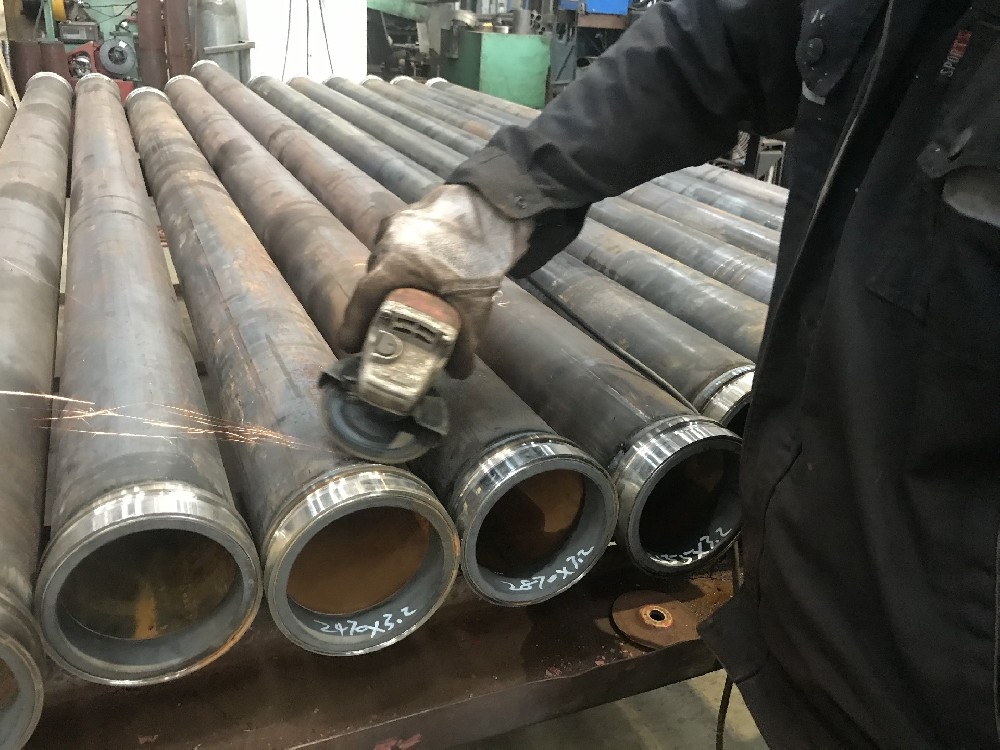
The steel used in a boom tube determines its strength, ductility, and wear resistance. Common materials include high-manganese steel, quenched and tempered carbon steel, and boron-alloyed steel. Some tubes have an induction-hardened inner surface, while others do not.
A replacement tube made from a lower-grade steel may have the same dimensions but a lower yield strength. This reduces its pressure capacity. Conversely, a tube hardened through the entire wall may be hard but brittle, making it more likely to crack under impact or cyclic loading.
The inner surface hardness is especially important for wear resistance. A tube with a hardened inner layer will generally last longer in abrasive conditions than a non-hardened tube of the same size. The depth of hardening also matters. A shallow hardened layer may wear through quickly, exposing softer steel underneath.
When replacing a boom tube, check the material specification and heat treatment, not just the size.
2. Wall Thickness and Pressure Rating
Boom tubes with the same outer diameter can have different wall thicknesses. A thicker wall increases pressure capacity and structural strength, but it also adds weight. A thinner wall may be lighter but may not meet the pump's pressure requirements.
The working pressure of a concrete pump can exceed 100 bar in demanding applications. The replacement tube must have a pressure rating that meets or exceeds the pump's maximum output pressure, with a margin for pressure spikes and fatigue.
A dimensionally correct tube with a thinner wall than the original may fit perfectly and yet be unsafe for the pump's operating pressure. Never assume that a tube with the same outer diameter has the same wall thickness or pressure rating.
3. Weight and Boom Load Capacity
Boom sections have specific weight limits. The total weight of the boom tubes, elbows, clamps, and any concrete inside the pipe contributes to the load on the boom structure and hydraulic system.
A replacement tube that is heavier than the original—perhaps due to a thicker wall or double-layer construction—can overload the boom. This may reduce stability, accelerate wear on boom components, or compromise the safe operation of the pump truck.
Even if a heavier tube fits dimensionally, it may not be appropriate for the specific boom. Always check the boom manufacturer's load chart before installing a tube with a different weight.
4. End Connection Type and Sealing Surfaces
Boom tubes connect to each other and to elbows, reducers, and the pump outlet using flanges, grooved couplings, quick-release clamps, or other connection systems. The connection type must match exactly.
Two flanges may look similar but have different bolt circle diameters, bolt hole counts, or flange thicknesses. A grooved end may have a different groove profile or depth. If the replacement tube's end connection does not match the existing system, the joint may leak, lose pressure, or separate during pumping.
The condition of the sealing surfaces is equally important. Worn, corroded, or damaged flange faces can prevent a reliable seal even when the dimensions match. Inspect the ends of the replacement tube carefully before installation.
5. Bend Geometry and Elbow Design
Boom tubes include straight sections, but bends and elbows are critical points of wear and pressure loss. The radius of a bend affects how concrete flows through the tube. A tighter radius creates more turbulence, higher pressure loss, and accelerated wear on the outer wall of the bend.
If a replacement elbow has a different bend radius than the original, it may fit in the same space but perform differently. The pressure drop may increase, or the elbow may wear out faster. In some cases, a shorter radius elbow can also trap aggregate and cause blockages with stiff concrete mixes.
The wall thickness of an elbow is another consideration. The outer wall of a bend experiences more wear than the inner wall. Some elbows have reinforced outer walls or replaceable wear segments. A standard straight tube of the same diameter is not a suitable replacement for a wear-resistant elbow.
6. Manufacturing Standards and Tolerances
Not all tubes with the same nominal dimensions are manufactured to the same standards. Variations in ovality, straightness, and wall thickness uniformity can affect fit and performance.
A tube that is slightly oval may be difficult to connect or may create uneven gasket compression. A tube with poor straightness can cause misalignment between boom sections. Inconsistent wall thickness can create weak points that fail under pressure.
Reputable manufacturers produce boom tubes to recognized standards, such as those from EN, ISO, or national steel tube specifications. They can provide material certificates, dimensional inspection reports, and pressure test documentation. A tube from an unknown source may meet the basic dimensions but not the required tolerances or quality controls.
7. Concrete Mix Abrasiveness
The concrete mix passing through the boom tube has a major influence on wear. Mixes with crushed aggregates, manufactured sand, silica fume, steel fibers, or high cement content are more abrasive than standard mixes with rounded natural aggregates.
The original boom tube may have been selected for a specific wear environment. A replacement tube with the same dimensions but a softer inner surface may wear out much faster in abrasive conditions. Conversely, a tube with a harder inner surface may last longer but could be heavier or more expensive.
When replacing a boom tube, consider the concrete mixes that will be pumped. If the mix is highly abrasive, a wear-resistant tube with a hardened inner surface or double-layer construction may be required, even if the dimensions match a standard tube.
8. Compatibility with the Existing Pipe System
A replacement tube should be compatible with the rest of the boom pipe system, not just the immediate connection points. Mixing tubes with different wall thicknesses, materials, or wear characteristics can create uneven wear patterns and pressure variations.
For example, a new tube with a very hard inner surface connected to an older, softer pipe may shift the wear to the adjacent pipe. The transition point may become a weak spot. Similarly, a replacement tube with a different inner diameter due to a thicker liner may create a step that disturbs concrete flow and increases local wear.
Evaluate the entire boom pipe assembly, not just the single tube being replaced.
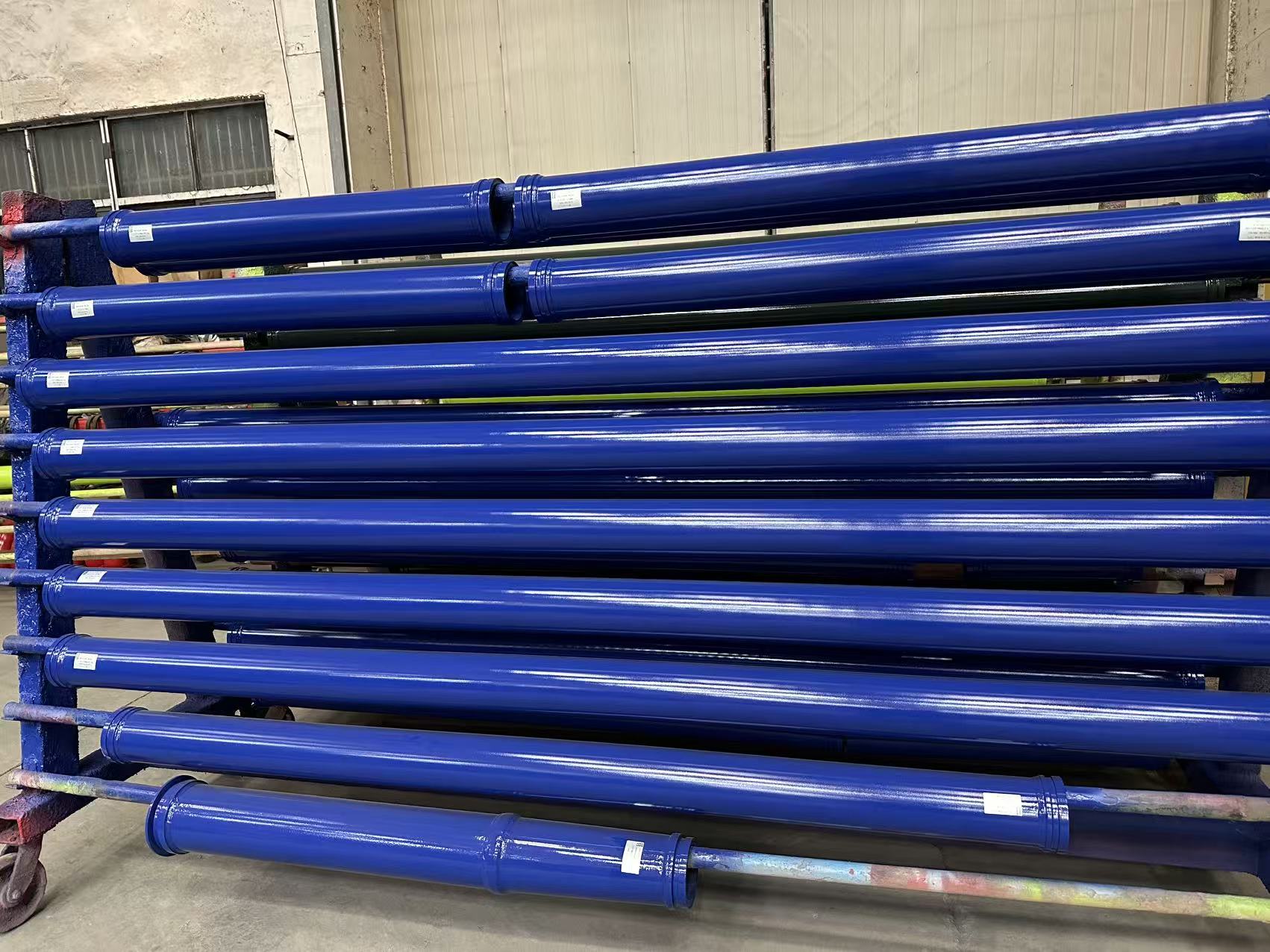
Risks of Installing a Dimensionally "Correct" Tube
When a replacement boom tube matches the size but not the performance characteristics, several outcomes are possible.
Premature Wear
A softer or non-hardened inner surface wears quickly in abrasive conditions. The tube may reach its minimum wall thickness after a short volume of pumped concrete, requiring another replacement.
Pressure Failure
A tube with insufficient wall thickness or lower-grade steel may not withstand the pump's working pressure. This can lead to a burst, which is dangerous for nearby workers and can damage the pump truck.
Boom Overload
A heavier tube reduces the boom's payload margin. Over time, this can strain hydraulic cylinders, pins, and the boom structure. In severe cases, it may affect the stability of the entire pump truck.
Leaks and Connection Problems
A mismatched flange or coupling may not seal properly. Concrete paste can leak from the joint, reducing pressure and creating a mess. A sudden joint separation under pressure is a serious safety hazard.
Uneven Wear in Adjacent Components
A replacement tube with different wear characteristics can shift the wear pattern to elbows, reducers, or neighboring pipes. This may shorten the life of other components and create unexpected maintenance issues.
Invalidated Warranty or Compliance Issues
Using a tube that does not meet the pump or boom manufacturer's specifications may affect warranty coverage or regulatory compliance. In some regions, pressure-containing components must meet specific standards and be traceable to the manufacturer.
How to Evaluate a Replacement Boom Tube
Before installing a replacement boom tube, gather the following information.
From the Pump and Boom Manufacturer
Maximum pump pressure and flow rate
Boom section weight limits
Original boom tube specifications, including material, wall thickness, and connection type
Recommended replacement part numbers or equivalent specifications
From the Tube Supplier
Material grade and heat treatment details
Inner surface hardness and hardened depth
Wall thickness and pressure rating
Dimensional tolerances and standards compliance
Weight per meter
Connection type and flange or groove specifications
Material certificates and test reports
From the Job Site
Concrete mix design and abrasiveness
Expected pumping volume and duration
Maintenance and rotation capabilities
Existing condition of adjacent pipes and elbows
Once you have this information, compare the replacement tube against the original and the application requirements. Do not assume that matching the outer diameter and length is sufficient.
Common Mistakes When Replacing Boom Tubes
Assuming All Tubes with the Same Diameter Are Interchangeable
Diameter is only one dimension. Material, wall thickness, pressure rating, and connection type must also match or meet the application requirements.
Ignoring the Boom Load Chart
A heavier tube may fit, but it can overload the boom. Always check the allowable weight before installing a replacement.
Reusing Worn End Connections
Even if the tube body is in good condition, damaged flange faces or worn grooves can cause leaks. Inspect the ends and replace them if necessary.
Selecting Based on Price Alone
A lower-cost tube may not have the same wear life or pressure rating as the original. Total cost of ownership includes replacement frequency, downtime, and safety risk.
Neglecting Wall Thickness Measurements
Do not rely on visual inspection. Use an ultrasonic thickness gauge to measure the tube wall before installation, especially if the tube is used or reconditioned.
Overlooking the Concrete Mix
A tube that works well with standard concrete may wear rapidly with an abrasive mix. Consider the mix design when choosing the tube material and hardness.
Frequently Asked Questions
Can I replace a boom tube with any tube that has the same outer diameter and length?
No. The tube must also have an adequate pressure rating, appropriate wall thickness, correct material and hardness, matching end connections, and a weight that does not exceed the boom's load limit. Dimensional fit alone does not ensure safe or reliable operation.
What should I check first when sourcing a replacement boom tube?
Start with the pump and boom manufacturer's specifications. Identify the original part number or equivalent specifications, including material grade, wall thickness, pressure rating, and connection type. Then verify that the replacement meets or exceeds these requirements.
How do I know if a replacement tube is heavy enough or too heavy?
Compare the weight per meter of the replacement tube with the original. Check the boom manufacturer's load chart to confirm that the total weight of the boom pipe system remains within allowable limits.
Is a thicker wall always safer?
A thicker wall increases pressure capacity but also adds weight. If the tube becomes too heavy for the boom, it creates a different safety problem. The wall thickness must be appropriate for both the pressure and the boom load capacity.
What is the most overlooked factor when replacing boom tubes?
End connection compatibility is often overlooked. Flanges and couplings may look similar but have different bolt patterns, groove profiles, or sealing surface dimensions. A mismatch can cause leaks or joint failure.
Can I use a double-layer tube as a direct replacement for a single-layer tube with the same dimensions?
A double-layer tube may have the same outer diameter and length, but it is usually heavier and may have a different inner diameter if the liner is thick. It may also have a higher pressure rating and different wear characteristics. Check the weight, inner diameter, connection type, and boom load capacity before making the substitution.
Conclusion
Replacing a boom tube on a concrete pump truck requires more than matching the outer diameter and length. The tube must be appropriate for the pump's pressure, the boom's load capacity, the concrete mix, and the existing connection system. Material, wall thickness, hardness, weight, and manufacturing quality all determine whether the tube will perform safely and economically.
A dimensionally "correct" tube that lacks the right material or pressure rating can wear quickly, leak, overload the boom, or fail under pressure. Taking the time to verify the full specification—not just the size—reduces downtime, protects the equipment, and keeps the job site safer.