


Single-Layer vs Double-Layer Concrete Pump Pipes
Concrete pumping systems rely on a network of pipes to deliver mixed concrete from the pump to the placement area. Among the most important components in this system are the delivery pipes themselves. Two common configurations dominate the market: single-layer concrete pump pipes and double-layer concrete pump pipes. Each type has a distinct construction, performance profile, and set of applications. Understanding the differences can help contractors, equipment managers, and procurement professionals select the right pipe for a given job.
This article examines both pipe types in detail, compares their material properties, wear resistance, weight, cost, and typical use cases, and offers practical guidance for making an informed decision.
What Are Concrete Pump Pipes?
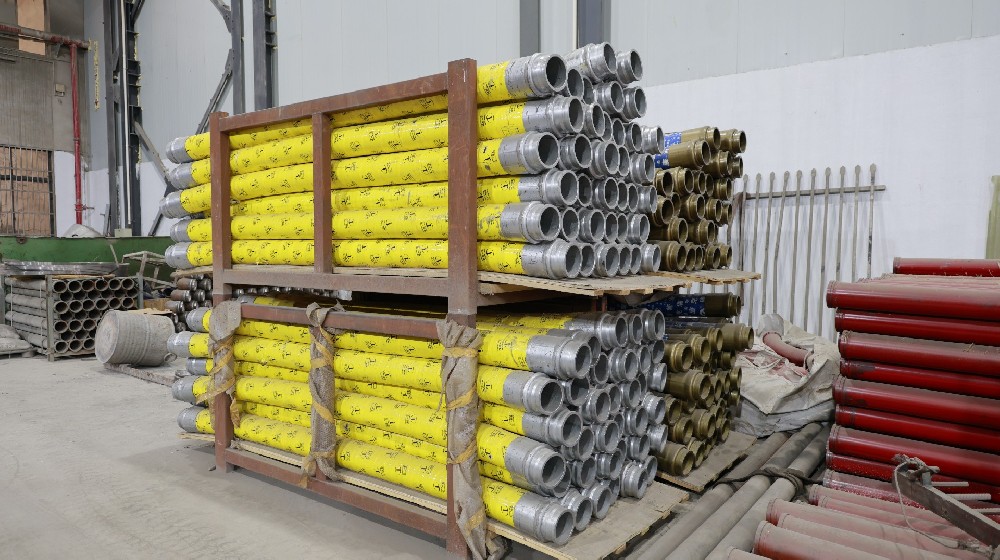
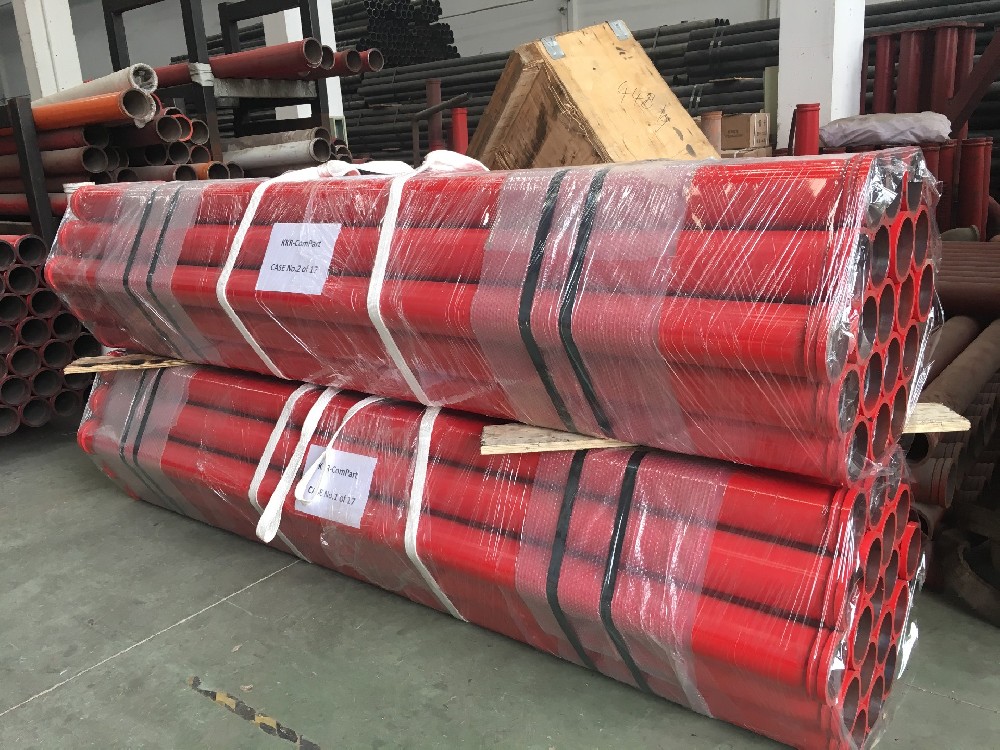
Concrete pump pipes are thick-walled steel tubes that transport abrasive concrete mixtures under high pressure. They are used in truck-mounted boom pumps, trailer pumps, stationary pumps, and placing booms. The inner surface of a pump pipe is continuously exposed to friction from sand, aggregate, and cement paste. Over time, this abrasion thins the pipe wall and can lead to failure if the pipe is not replaced.
To extend service life and manage operating pressure, manufacturers produce pump pipes in different designs. Single-layer and double-layer pipes represent two fundamentally different approaches to balancing wear resistance, weight, strength, and cost.
Single-Layer Concrete Pump Pipes
Construction and Material
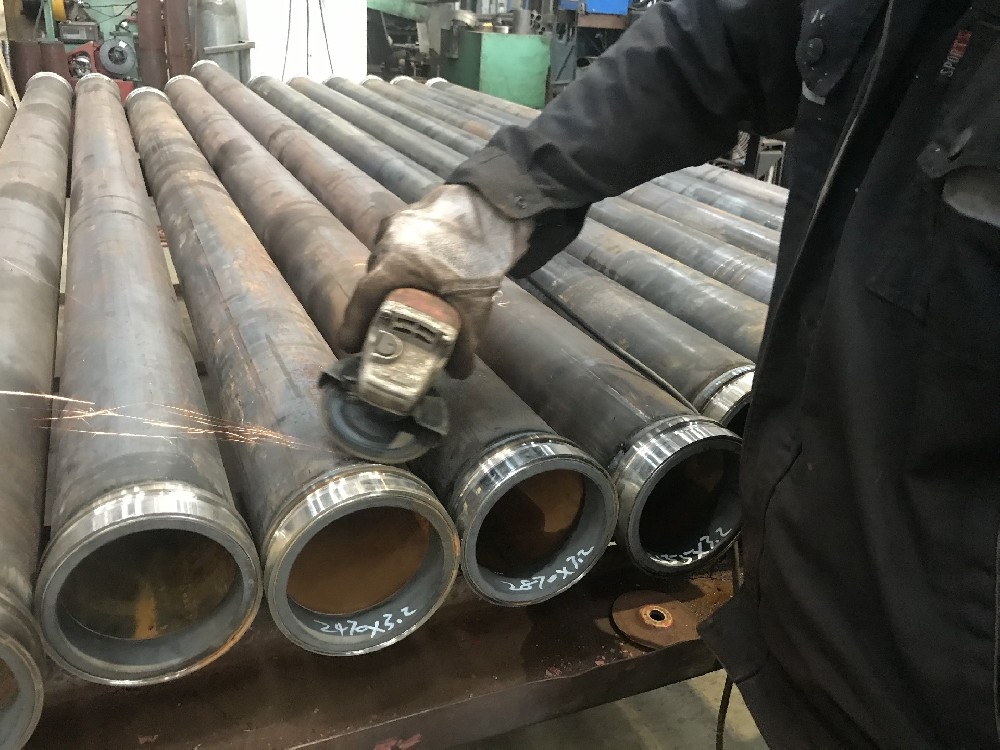
A single-layer concrete pump pipe is made from one homogeneous steel tube. The entire wall thickness consists of a single material, typically a high-manganese steel or a heat-treated carbon steel. In some cases, the inner surface is induction-hardened to improve abrasion resistance while the outer body remains tougher and more ductile.
Common material grades for single-layer pipes include:
High-manganese alloy steel
Quenched and tempered carbon steel
Boron-alloyed steel with localized hardening
The wall thickness usually ranges from about 4 mm to 7 mm for standard boom pipes, depending on the diameter and working pressure.
Advantages
Lower initial cost. Single-layer pipes are generally less expensive to produce because they require fewer manufacturing steps and less material complexity.
Lighter weight. With a single wall construction, these pipes tend to weigh less than double-layer pipes of the same diameter and length. Lighter pipes reduce the load on boom sections and can make manual handling easier on smaller job sites.
Simple inspection. Because the entire wall is one material, wear patterns are often easier to read. Wall thickness can be measured with an ultrasonic thickness gauge, and replacement decisions can be made based on straightforward minimum wall thickness guidelines.
Wide availability. Single-layer pipes are widely available from many manufacturers and suppliers, making sourcing and replacement straightforward.
Limitations
Reduced wear life in abrasive conditions. In applications with highly abrasive concrete mixes—such as those containing crushed aggregates, silica fume, or high-strength grout—single-layer pipes may wear faster than double-layer alternatives.
Lower pressure rating at equal wall thickness. Homogeneous steel may not provide the same combination of outer strength and inner hardness as a dual-material design, especially in high-pressure pumping.
More frequent replacement intervals. In demanding conditions, single-layer pipes may need to be rotated or replaced more often, increasing downtime and long-term operational costs.
Double-Layer Concrete Pump Pipes
Construction and Material
A double-layer concrete pump pipe, also called a dual-layer or compound pipe, consists of two distinct material layers bonded together. The outer layer is typically a tough, weldable carbon steel that provides structural strength and pressure containment. The inner layer is a wear-resistant material that directly contacts the concrete.
Common inner layer materials include:
High-chromium white iron
Ceramic composites
Carbide-reinforced alloys
Special wear-resistant steel liners
The two layers are joined through a metallurgical bonding process, such as centrifugal casting, hot isostatic pressing, or mechanical cladding. In some designs, the inner liner is inserted as a separate sleeve and then bonded or mechanically locked in place.
Advantages
Extended service life. The hard inner layer resists abrasive wear much more effectively than homogeneous steel. In abrasive applications, double-layer pipes can last several times longer than single-layer pipes.
Higher pressure capability. Because the outer layer is designed for strength and the inner layer for wear resistance, double-layer pipes can often handle higher pumping pressures without excessive wall thickness or weight penalty.
Reduced downtime. Longer replacement intervals mean fewer stoppages on large pours or continuous pumping operations. This benefit is especially valuable on high-rise construction, tunneling, and infrastructure projects.
Good performance with harsh mixes. Double-layer pipes perform well when pumping concrete with crushed aggregate, high compressive strength, low water-cement ratios, or abrasive additives.
Limitations
Higher upfront cost. The manufacturing process and dual-material construction increase the initial purchase price compared with single-layer pipes.
Heavier weight. Although weight varies by design, many double-layer pipes are heavier than equivalent single-layer pipes. This can affect boom load capacity and handling logistics.
More complex inspection. A bonded or inserted liner may make it more difficult to assess remaining wall thickness from the outside. Some double-layer pipes require more careful monitoring, especially near the joint ends.
Potential for liner separation. In rare cases, improper bonding or extreme thermal cycling can lead to delamination between the inner and outer layers. Quality control during manufacturing is critical.
Key Differences Between Single-Layer and Double-Layer Pipes
The table below summarizes the primary differences between the two pipe types.
| Feature | Single-Layer Pipe | Double-Layer Pipe |
|---|---|---|
| Wall construction | One homogeneous steel tube | Two bonded layers: outer steel + inner wear liner |
| Inner surface hardness | Moderate to high, depending on heat treatment | Very high, based on liner material |
| Outer layer strength | Same material throughout | Tough carbon steel for pressure containment |
| Weight | Generally lighter | Generally heavier |
| Initial cost | Lower | Higher |
| Wear resistance | Moderate | High to very high |
| Service life in abrasive conditions | Shorter | Longer |
| Pressure rating | Adequate for standard pumping | Often higher for demanding applications |
| Inspection complexity | Straightforward | More involved |
| Common applications | Standard pours, low to medium pressure, short to medium distance | High-pressure, long-distance, abrasive mixes, high-rise, tunneling |
How to Choose the Right Pipe for Your Project
Selecting between a single-layer and double-layer concrete pump pipe depends on several factors.
1. Concrete Mix Design
Evaluate the abrasiveness of the concrete. Mixes with rounded natural aggregates and moderate compressive strength generally produce less wear. In these cases, a single-layer pipe may provide an economical and practical solution.
For mixes containing crushed stone, manufactured sand, silica fume, steel fibers, or high cement content, the inner surface of the pipe experiences accelerated wear. A double-layer pipe with a high-chromium or ceramic liner often becomes the more cost-effective choice over the life of the project, even if the initial cost is higher.
2. Pumping Pressure and Distance
Long horizontal runs, high vertical rise, and small-diameter lines increase pumping pressure. Double-layer pipes are designed to withstand higher internal pressures while maintaining a hard inner surface. If your project involves pumping concrete more than 100 meters vertically or over long horizontal distances, double-layer pipes may be necessary.
For low-rise residential work, short foundation pours, or small commercial slabs, single-layer pipes typically perform well.
3. Project Duration and Pour Volume
Large projects with continuous or repeated pumping benefit from longer pipe life. The reduced replacement frequency of double-layer pipes can lower total downtime and labor costs. For short-duration jobs or occasional use, the initial cost advantage of single-layer pipes may outweigh the longer service life of double-layer options.
4. Boom Weight Capacity
Truck-mounted boom pumps have rated load capacities for the boom sections and pipe assemblies. Adding heavier double-layer pipes can reduce the effective reach or increase wear on boom components. Always check the boom manufacturer's specifications before switching pipe types.
5. Budget and Total Cost of Ownership
Compare not only the purchase price but also the expected replacement interval, downtime cost, and labor for rotation and replacement. A lower-cost single-layer pipe that requires replacement three times during a project may end up costing more overall than a double-layer pipe that lasts the entire job.
6. Availability and Compatibility
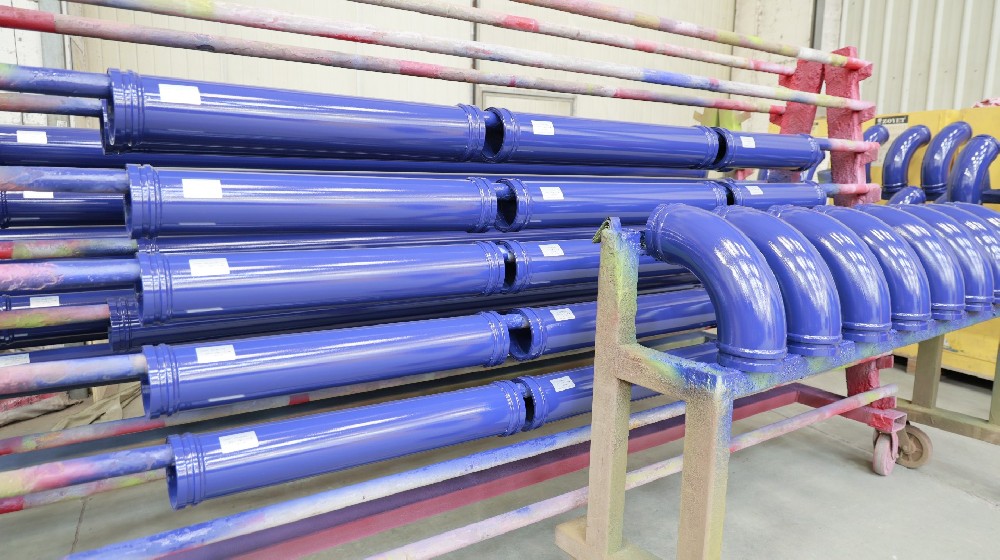
Ensure that the pipe type you select is available in the required diameter, wall thickness, and end connection style. Common end types include flanged, grooved, and Victaulic-style connections. Mixing single-layer and double-layer pipes in the same system is possible, but it is advisable to evaluate wear compatibility at transition points.
Maintenance and Replacement Tips
Regardless of pipe type, proper maintenance extends service life and reduces the risk of unexpected failure.
Rotate Pipes Regularly
Concrete flow tends to wear the bottom and outer radius of a pipe more quickly. Rotating the pipe 90 or 120 degrees at scheduled intervals evens out wear and extends its usable life.
Measure Wall Thickness
Use an ultrasonic thickness gauge to measure wall thickness at multiple points, especially near the ends where wear is often concentrated. Establish a minimum acceptable wall thickness based on the manufacturer's recommendations and the working pressure.
Inspect End Connections
Check flanges, couplings, gaskets, and clamps for deformation, cracks, or wear. A leaking joint can cause pressure loss, air entrainment, or sudden failure.
Clean After Use
Residual concrete left inside a pipe hardens and creates blockages. Clean pipes thoroughly after each use, and consider using a sponge ball or cleaning pig if recommended by the pump manufacturer.
Store Properly
Store pipes in a dry, covered area. Moisture and residual concrete can accelerate corrosion. If pipes must be stored outdoors, cap the ends to prevent water ingress.
Replace Before Failure
Do not wait for a blowout. Replace or retire any pipe that has reached the minimum wall thickness or shows visible deformation, deep scoring, or cracking. A pipe failure under pressure is dangerous and can cause serious injury.
Frequently Asked Questions
Are double-layer concrete pump pipes always a better choice than single-layer pipes?
Not necessarily. Double-layer pipes offer advantages in abrasive and high-pressure applications, but they are heavier and more expensive. For standard pours with non-abrasive mixes and moderate pressure, single-layer pipes can be a practical and economical option.
Can I mix single-layer and double-layer pipes in the same pump line?
Yes, in many cases you can mix the two types. However, the transition points may experience different wear rates. Monitor those areas closely and ensure that connection types and pressure ratings are compatible.
How much longer do double-layer pipes last compared with single-layer pipes?
The service life difference depends on the concrete mix, pumping pressure, and pipe quality. In highly abrasive conditions, a double-layer pipe may last two to four times longer than a single-layer pipe. In mild conditions, the difference may be less pronounced.
What is the typical wall thickness of a concrete pump pipe?
Wall thickness varies by diameter and pressure rating. Standard boom pipes often range from about 4 mm to 7 mm. Some high-pressure double-layer pipes may have thicker outer walls combined with a thin inner liner.
Can a single-layer pipe be re-lined or refurbished?
Some single-layer pipes can be repaired or reconditioned by welding or sleeving, but this is less common than replacing the pipe. Double-layer pipes are generally not designed for re-lining after the inner layer wears through.
What pressure rating should I look for in a concrete pump pipe?
Pressure ratings depend on the pump system. Many concrete pump pipes are rated for working pressures between 85 bar and 130 bar, with some high-pressure systems exceeding 200 bar. Always match the pipe pressure rating to the pump's maximum output pressure and include an appropriate safety factor.
Conclusion
Single-layer and double-layer concrete pump pipes each serve a valuable role in concrete placement. Single-layer pipes provide a lighter, lower-cost solution for standard pumping conditions. Double-layer pipes deliver higher wear resistance and longer service life in abrasive, high-pressure, and long-distance applications.
The right choice depends on your concrete mix, pump system, project scale, boom capacity, and total cost of ownership. By evaluating these factors carefully and following a consistent inspection and maintenance program, you can optimize pipe performance, reduce downtime, and maintain safe pumping operations on the job site.