


How to Select Boom Pipes Beyond Size
When purchasing or replacing boom pipes for a concrete pump, many buyers focus first on diameter and length. Those dimensions matter, but they are only the starting point. A pipe with the correct size can still fail early, reduce pumping efficiency, or add unnecessary weight to the boom if other characteristics are overlooked.
Boom pipes operate under demanding conditions. They carry abrasive concrete at high pressure while mounted on a moving, vibrating boom. The right selection balances pressure capacity, wear resistance, weight, connection compatibility, and total operating cost. This guide explains the factors that go beyond basic size measurements.
Why Size Alone Is Not Enough
A boom pipe's diameter affects concrete flow rate and pumping pressure. Length determines how much pipe is needed to cover the boom sections. However, two pipes with identical diameter and length can perform very differently depending on their material, wall thickness, heat treatment, and end connections.
For example, a standard 125 mm diameter pipe with a thin wall may be adequate for low-pressure pumping but could become unsafe on a high-rise pour. Similarly, a pipe with the correct outer diameter but a poorly matched flange type may not fit existing couplings, causing leaks or downtime.
Selecting boom pipes requires evaluating the full operating environment: the concrete mix, pump output pressure, boom load capacity, and maintenance practices.
Key Factors to Consider Beyond Pipe Size
1. Pipe Material and Inner Surface Hardness
The material of the pipe determines how well it resists abrasive wear from concrete. Most boom pipes are made from steel, but the specific alloy and heat treatment vary.
High-manganese steel offers good toughness and work-hardening properties. It performs well under impact and moderate abrasion.
Quenched and tempered carbon steel provides a balance of strength and cost. Many standard single-layer pipes use this material.
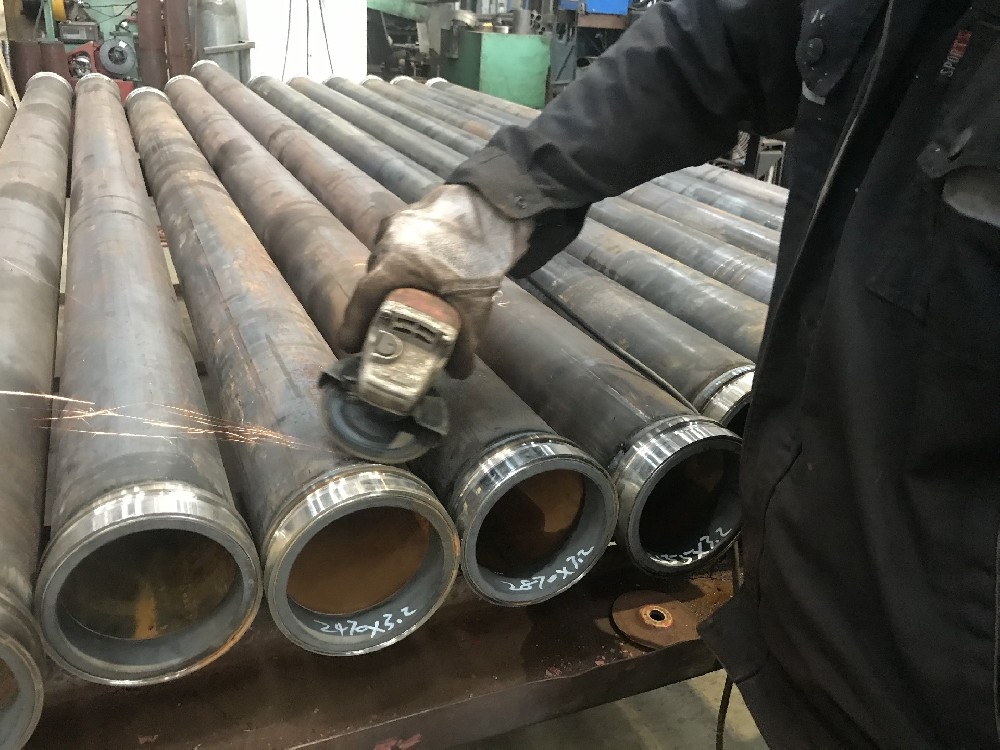
Induction-hardened inner surfaces improve wear resistance while keeping the outer layer ductile. The hardened depth is an important factor.
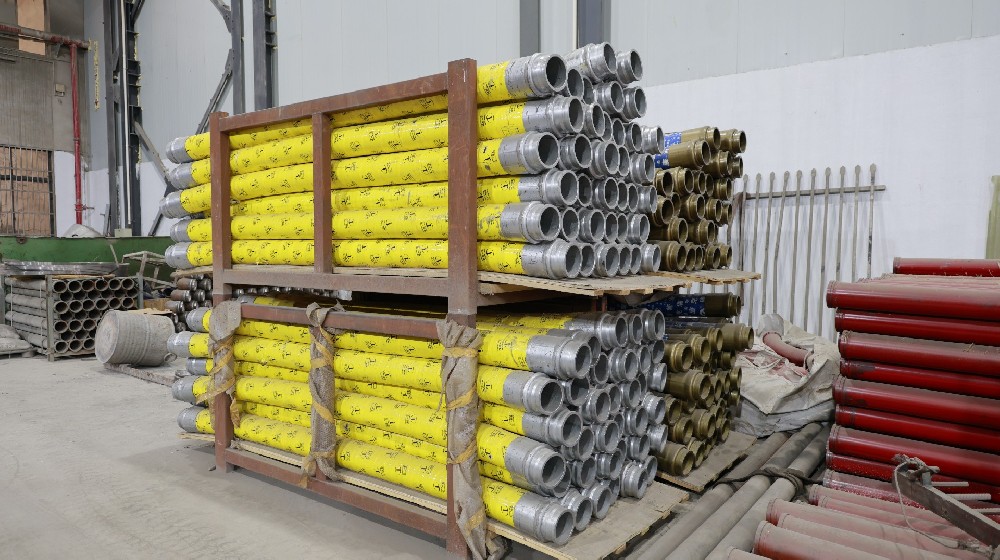
Double-layer or compound pipes feature a tough outer steel layer and a hard inner liner, often made from high-chromium alloy or ceramic. These are heavier and more expensive but last longer in abrasive conditions.
When evaluating pipes, ask for the inner surface hardness value. Hardness is typically measured in HRC (Rockwell hardness scale). Values in the range of 55–65 HRC are common for wear-resistant single-layer pipes, while double-layer liners may exceed 60 HRC. Higher hardness generally improves wear life but may reduce ductility if the entire wall is hardened.
2. Wall Thickness and Pressure Rating
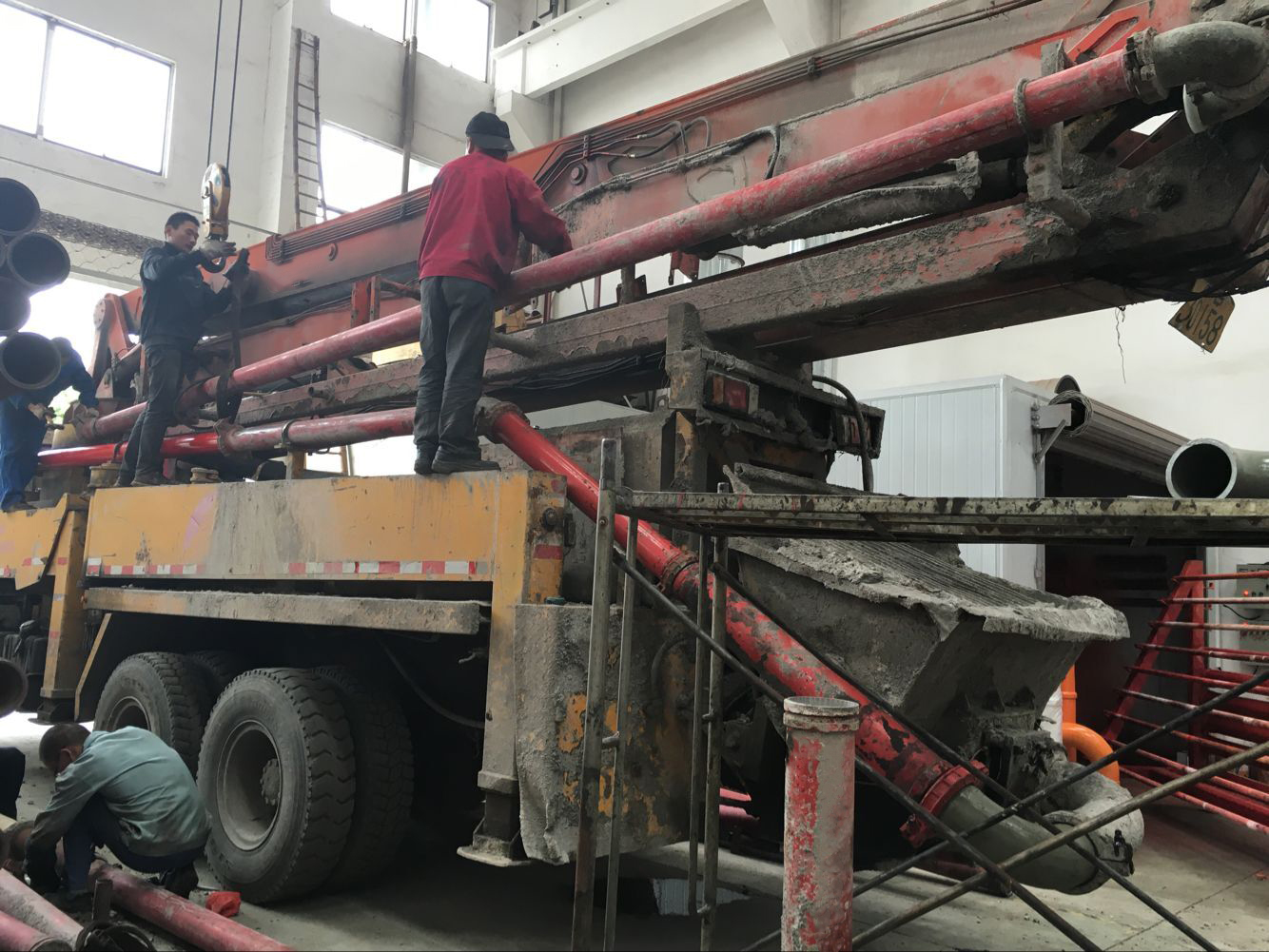
Wall thickness directly influences pressure capacity and weight. A thicker wall can withstand higher internal pressure but adds weight to the boom.
Pressure requirements depend on the pump's maximum output and the resistance from the pipeline. Long vertical runs, small diameters, and stiff concrete increase pressure. A boom pipe must have a working pressure rating that exceeds the pump's maximum pressure with an appropriate safety factor.
Typical boom pipes have wall thicknesses ranging from about 4 mm to 7 mm for standard diameters. Some high-pressure applications require thicker walls or double-layer construction. Always verify the manufacturer's pressure rating rather than relying on wall thickness alone, because material strength also matters.
3. Weight and Boom Load Capacity
Boom pipes add load to the boom structure. Truck-mounted boom pumps have specific weight limits for each boom section. Exceeding these limits can reduce stability, accelerate wear on hydraulic components, and compromise safety.
Double-layer pipes and thick-walled pipes are heavier. Before switching to a heavier pipe, check the boom manufacturer's specifications. In some cases, using a lighter single-layer pipe with a planned rotation schedule may be safer than installing heavy double-layer pipes that overload the boom.
Weight also affects handling during installation and removal. Lighter pipes are easier for crews to manage, especially on smaller pumps or when replacing pipes at height.
4. Connection Type and Compatibility
Boom pipes connect to each other and to elbows, reducers, and the pump outlet using various end types. Common connection styles include:
Flanged connections with bolt holes
Grooved or Victaulic-style couplings
Quick-release clamps
Welded or threaded ends in some older systems
Mismatched connections cause leaks, pressure loss, and potential blowouts. When ordering replacement pipes, confirm the exact connection type, bolt circle diameter, flange thickness, and gasket requirements. Even pipes with the same nominal diameter can have incompatible ends if manufactured to different standards.
5. Bending Radius and Elbow Design
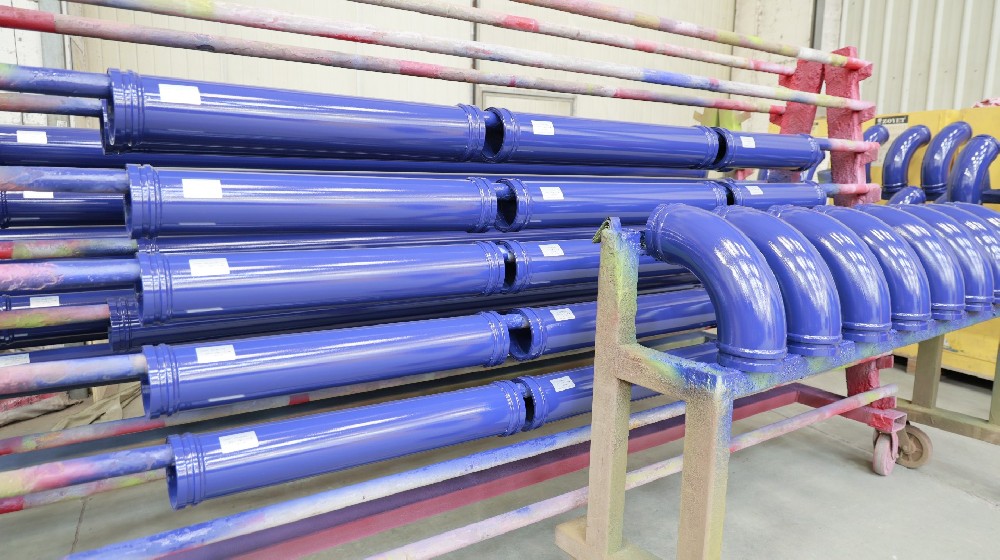
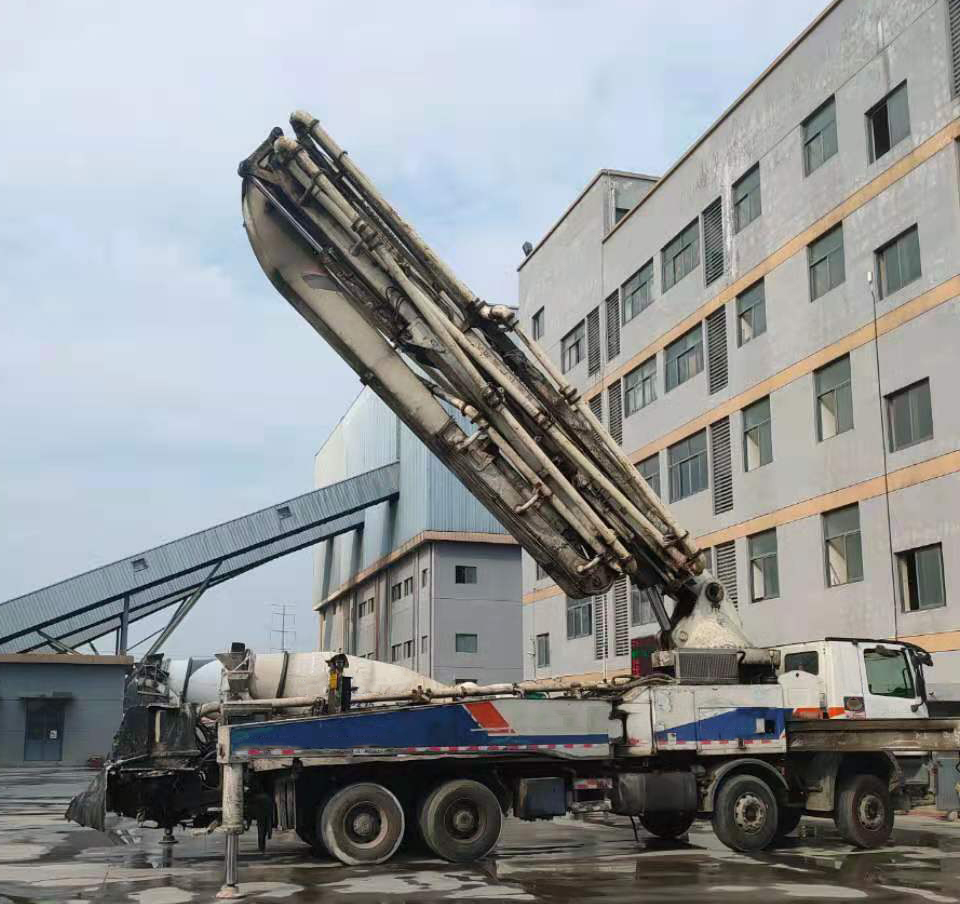
Boom pipes include straight sections, but elbows and bends create significant flow resistance. The bending radius affects pressure loss and wear concentration. Tighter bends increase turbulence and local wear, especially on the outer wall of the bend.
When selecting a complete boom pipe system, consider the elbow geometry. Longer radius bends generally reduce pressure drop and wear compared with short radius elbows. However, space constraints on the boom may limit the available bend radius. Choose elbows with reinforced outer walls or replaceable wear segments if your concrete mix is highly abrasive.
6. Manufacturing Quality and Standards
Not all boom pipes are produced to the same quality standards. Look for pipes manufactured under recognized industry standards, such as:
EN 10210 or EN 10216 for steel tubes
DIN 2413 or equivalent pressure pipe standards
ISO 9001 quality management certification for the manufacturer
Ask about the heat treatment process, non-destructive testing, and dimensional tolerances. Reputable suppliers can provide material certificates and test reports. Pipes that meet strict standards are more likely to perform consistently and safely under pressure.
7. Concrete Mix Abrasiveness
The concrete mix has a major impact on pipe wear. Factors that increase abrasion include:
Crushed aggregates instead of rounded natural aggregates
High cement content
Low water-cement ratio
Silica fume or other fine mineral admixtures
Steel or synthetic fibers
High compressive strength concrete
If your project uses abrasive mixes, investing in a more wear-resistant pipe—such as an induction-hardened single-layer pipe or a double-layer pipe—can reduce replacement frequency and downtime. For less abrasive mixes, a standard pipe may be adequate.
8. Pumping Pressure and Distance
The pump's output pressure and the total pipeline length influence the stresses on each pipe section. Boom pipes are the first components after the pump outlet, so they experience the highest pressure. As concrete moves through the boom and into the delivery line, pressure gradually decreases.
For high-pressure pumping, such as high-rise construction or long horizontal pours, select boom pipes with higher pressure ratings and greater wall thickness. For low-rise or short-distance work, standard pipes are often sufficient.
9. Rotatability and Maintenance
Boom pipes wear unevenly. The bottom and outer radius of bends typically wear faster than other areas. Many boom pipes can be rotated to extend service life. To rotate a pipe effectively, its connection ends must allow rotation without misalignment. Flanged connections usually permit rotation, while some grooved couplings may require specific alignment.
When selecting pipes, think about the maintenance plan. A pipe that can be rotated two or three times before replacement offers better value than one that must be replaced after a single wear pattern develops. Even if the initial cost is higher, the extended service life may justify the investment.
10. Total Cost of Ownership
The purchase price is only one part of the cost. Consider:
Expected service life in your specific conditions
Labor cost for replacement and rotation
Downtime during pipe changes
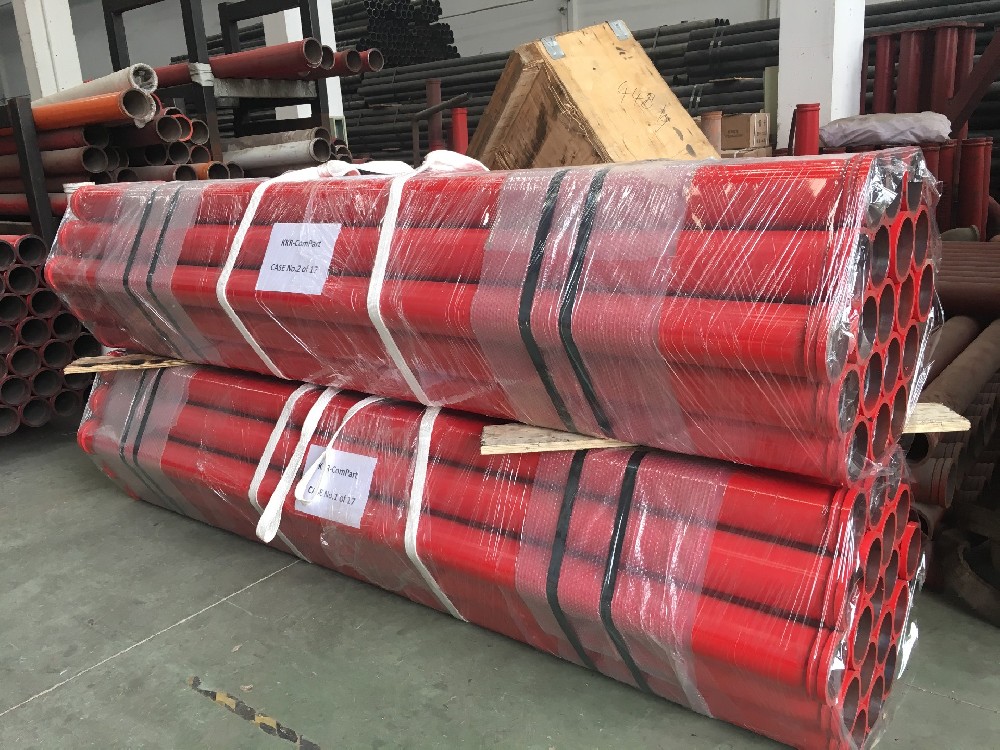
Freight and handling costs for heavier pipes
Disposal or recycling value at end of life
A less expensive pipe that fails quickly may cost more in labor and downtime than a premium pipe that lasts several times longer. Conversely, an over-specified double-layer pipe may not provide enough benefit on a small residential project to justify its higher weight and cost.
A Practical Selection Process
Use the following sequence when evaluating boom pipes for a new or existing pump.
Confirm the pump system requirements. Know the maximum pressure, flow rate, boom configuration, and existing connection types.
Analyze the concrete mix. Determine abrasiveness based on aggregate type, cement content, and any special additives.
Check boom load limits. Verify how much weight each boom section can safely carry.
Evaluate pipe options. Compare materials, wall thickness, hardness, and weight among available pipes that meet dimensional and connection requirements.
Calculate expected service life. Use manufacturer data, previous experience, or supplier recommendations to estimate replacement intervals.
Compare total cost. Include initial price, estimated life, replacement labor, and downtime for each option.
Select the pipe that best balances performance, safety, and cost for the project or fleet.
Common Mistakes to Avoid
Focusing Only on Diameter
Diameter is important, but it does not define pressure capacity or wear life. A pipe with the correct diameter but inadequate wall thickness can fail dangerously.
Ignoring Connection Compatibility
Assuming all flanges or couplings are the same leads to leaks and pressure loss. Always verify end types and dimensions.
Overloading the Boom
Installing heavy double-layer pipes without checking boom capacity can reduce stability and strain hydraulic systems. Weight is a critical factor, not an afterthought.
Neglecting Rotation Potential
Pipes that cannot be rotated must be replaced sooner. Pipes with symmetrical flanges and consistent wall thickness can be rotated to distribute wear.
Choosing Based on Price Alone
The cheapest pipe often costs more in the long run when replacement frequency, downtime, and labor are included. Evaluate total ownership cost.
Forgetting About Bend Wear
Straight pipes are not the only components that wear. Elbows and reducers often fail first. Select these components carefully and monitor them closely.
Frequently Asked Questions
What is the most important factor when selecting a boom pipe beyond size?
The most important factor depends on the application, but material and inner surface hardness usually have the greatest impact on wear life. Pressure rating and weight are equally critical for safety and boom performance.
Can I use a thicker wall pipe to get a higher pressure rating?
Thicker walls do increase pressure capacity, but they also add weight. The material strength matters too. Always use the manufacturer's stated pressure rating rather than estimating from wall thickness alone.
Are double-layer pipes always better for boom applications?
Double-layer pipes offer excellent wear resistance, but they are heavier and more expensive. They may not be suitable for booms with strict weight limits. Single-layer induction-hardened pipes can provide good wear life with less weight.
How do I know if a pipe meets safety standards?
Ask the supplier for material certificates, test reports, and documentation of compliance with recognized standards such as EN or ISO. Reputable manufacturers provide this information willingly.
How often should boom pipes be rotated?
Rotation frequency depends on the concrete mix and pumping volume. A common practice is to rotate pipes after every 2,000 to 4,000 cubic meters of concrete pumped, but this varies. Regular wall thickness measurements help determine the right interval.
What is the typical service life of a boom pipe?
Service life varies widely based on mix abrasiveness, pressure, and pipe quality. Standard single-layer pipes might last from 10,000 to 30,000 cubic meters in moderate conditions, while double-layer pipes can exceed 50,000 cubic meters in the same application. These figures are approximate and should not replace field monitoring.
Conclusion
Choosing boom pipes based only on diameter and length leaves out the factors that determine safety, efficiency, and cost. Material composition, wall thickness, inner surface hardness, connection type, weight, and the specific demands of the concrete mix all influence how a pipe will perform.
By evaluating these characteristics and following a structured selection process, you can choose boom pipes that deliver the right balance of wear life, pressure capacity, and boom compatibility. A careful selection reduces downtime, improves pumping reliability, and protects both equipment and personnel on the job site.