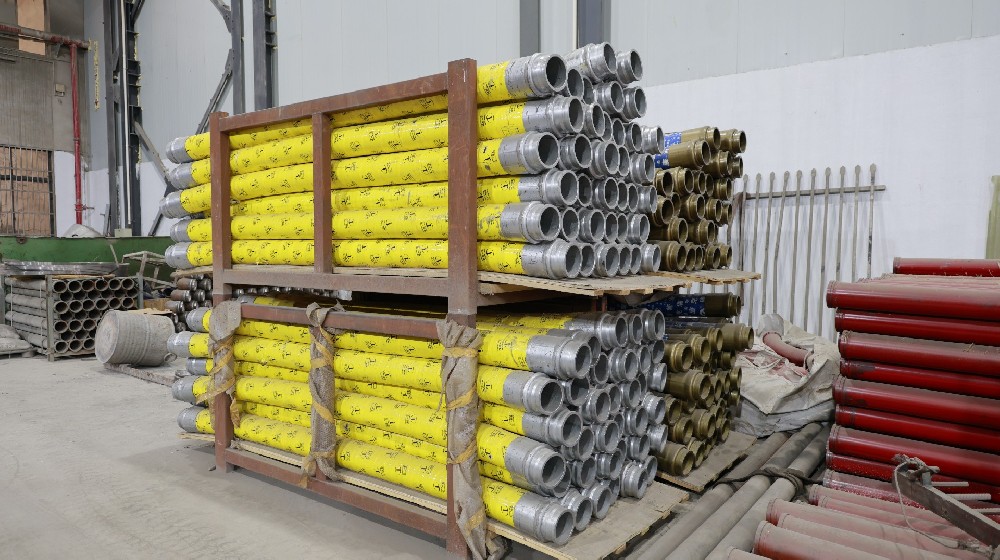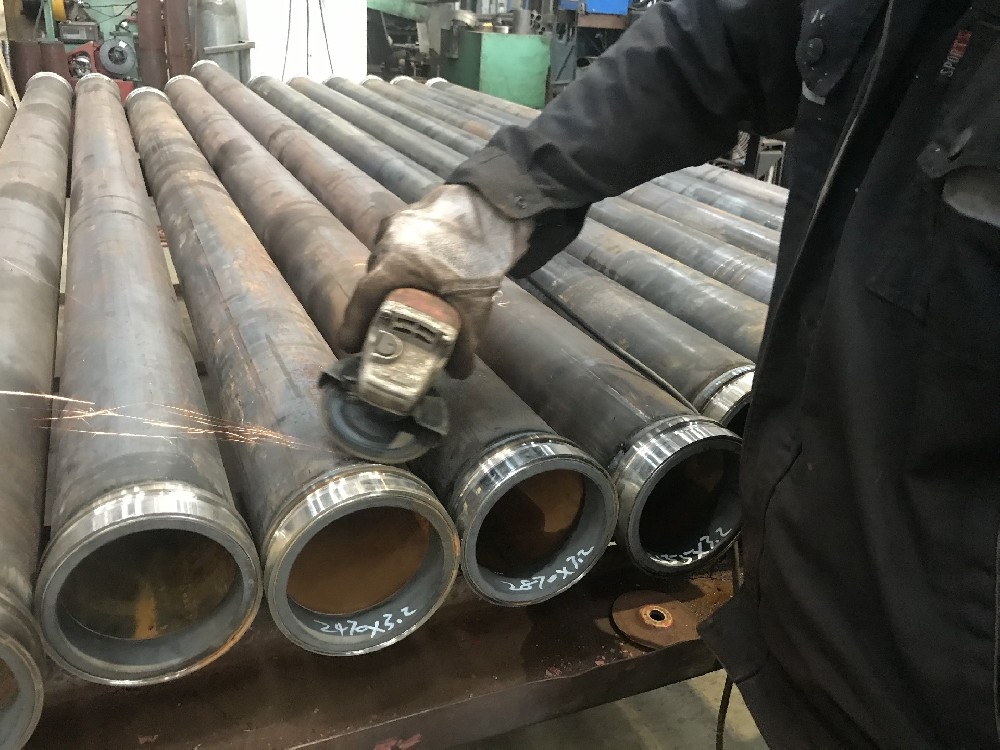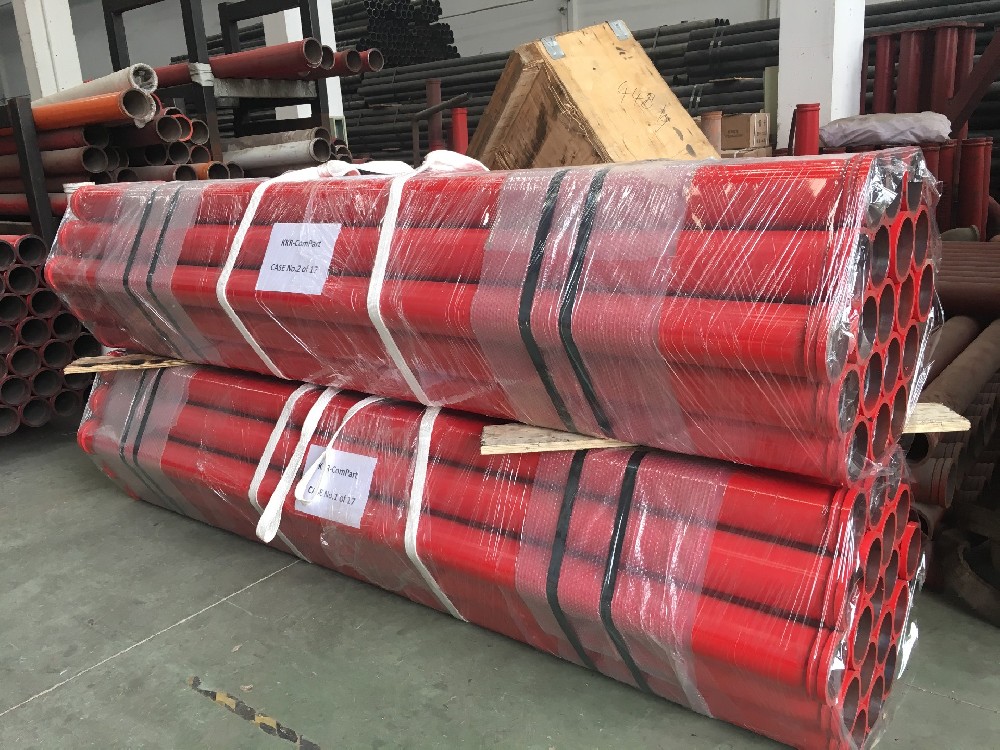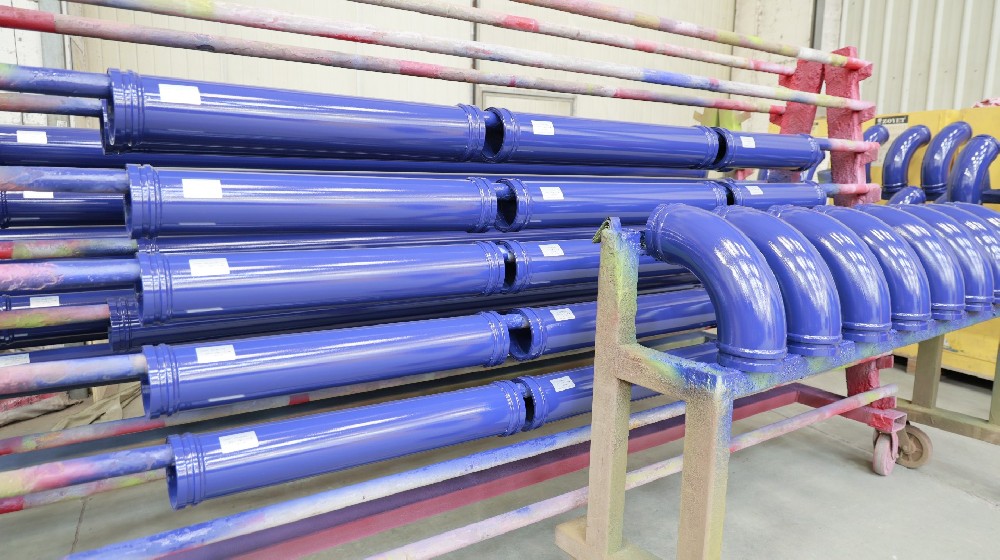


What Does a Double-Layer Wear-Resistant Pump Pipe Solve?
Concrete pumping places extreme demands on delivery pipes. The inner surface is continuously scoured by sand, aggregate, and cement paste moving at high velocity. The pipe wall must also contain significant internal pressure, often exceeding 100 bar in demanding applications. When a pipe wears too thin or fails under pressure, the result is downtime, safety risk, and unexpected cost.
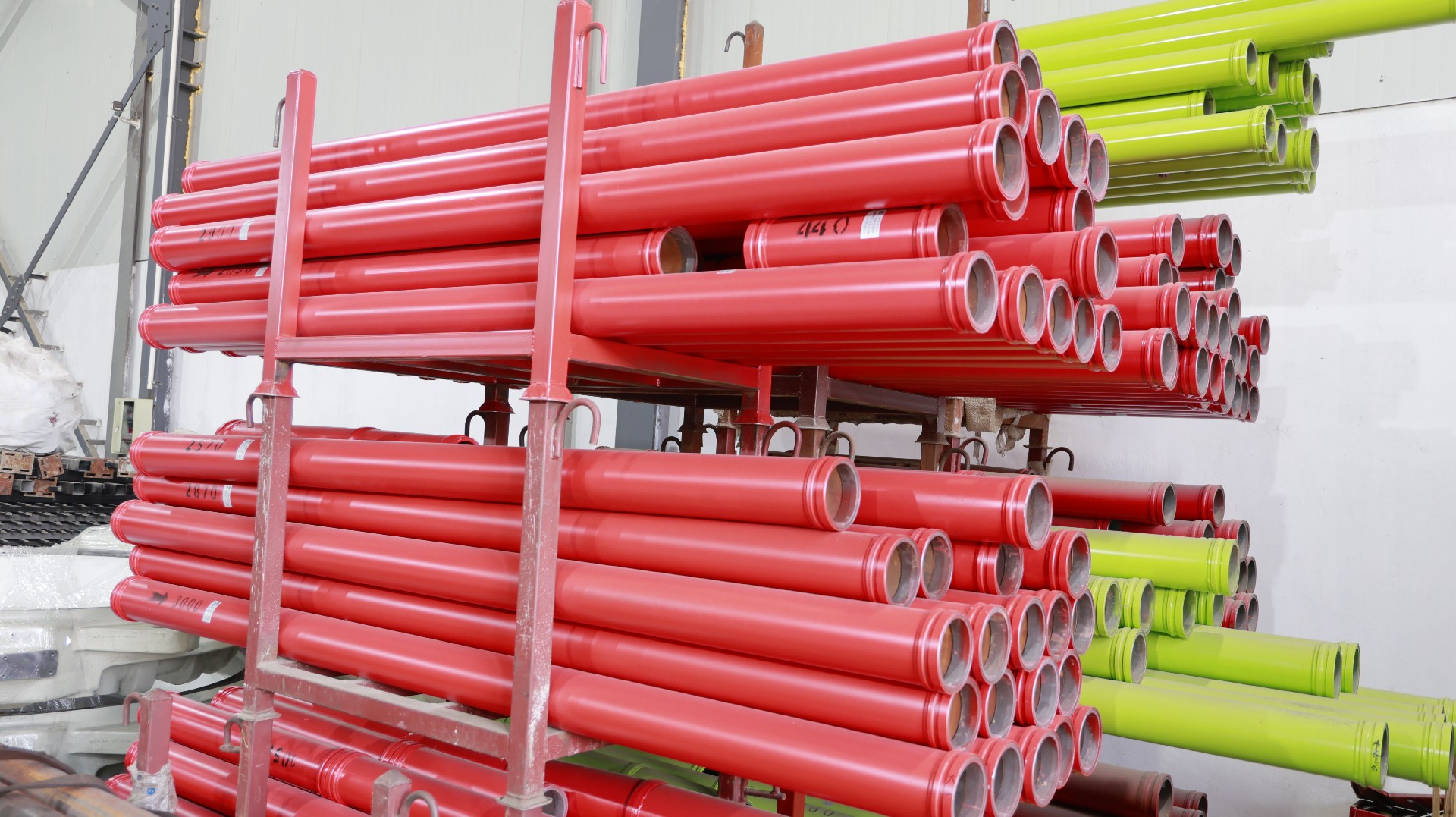
A double-layer wear-resistant pump pipe is engineered specifically to address these challenges. Unlike a standard single-layer pipe made from one homogeneous steel tube, a double-layer pipe combines two distinct materials: a tough outer steel layer for structural strength and a hard inner liner for abrasion resistance. This design is not a universal solution for every job, but it solves a defined set of problems that frequently arise in high-wear and high-pressure pumping environments.
This article explains the specific problems that double-layer wear-resistant pump pipes are designed to solve, how the dual-layer construction works, and where the technology provides the greatest benefit.
Understanding the Dual-Layer Construction
Before exploring the problems, it helps to understand the pipe's structure.
A double-layer pump pipe typically consists of:
Outer layer: A weldable carbon steel or low-alloy steel tube. This layer provides pressure containment, structural integrity, and the ability to be connected to standard flanges or couplings. It is tough and ductile, meaning it can absorb stress and resist cracking.
Inner layer: A wear-resistant liner made from a harder material. Common inner materials include high-chromium white iron, carbide-reinforced alloys, or ceramic composites. The inner layer directly contacts the concrete and resists abrasive wear far better than standard steel.
The two layers are bonded through a metallurgical process such as centrifugal casting, hot isostatic pressing, or mechanical cladding. The goal is to create a pipe that is both hard on the inside and strong on the outside—properties that are difficult to achieve in a single material.
This separation of functions is central to the problems the pipe solves.
Problem 1: Rapid Abrasive Wear from Harsh Concrete Mixes
Standard single-layer pipes wear gradually as concrete passes through them. In mild conditions—such as mixes with rounded natural aggregates and moderate cement content—this wear is manageable. However, many modern concrete mixes are far more abrasive.
Factors that accelerate pipe wear include:
Crushed stone or manufactured sand instead of rounded natural aggregates
High cement content
Low water-cement ratios
Silica fume, fly ash, or other fine mineral admixtures
Steel or synthetic fibers
High compressive strength concrete
In these conditions, the inner surface of a standard pipe can thin quickly. Operators must rotate pipes frequently or replace them after a relatively short volume of pumped concrete.
How the double-layer pipe helps: The inner liner is selected for extreme hardness. High-chromium white iron liners can reach hardness values of 60 HRC or higher, while ceramic liners may be even harder. This hard surface resists cutting and gouging from abrasive particles. As a result, the pipe can pump several times more concrete before reaching the minimum safe wall thickness compared with a single-layer pipe in the same application.
The solution is not absolute. A double-layer pipe will eventually wear, but the rate of wear is significantly reduced in abrasive conditions.
Problem 2: Structural Failure Under High Pumping Pressure
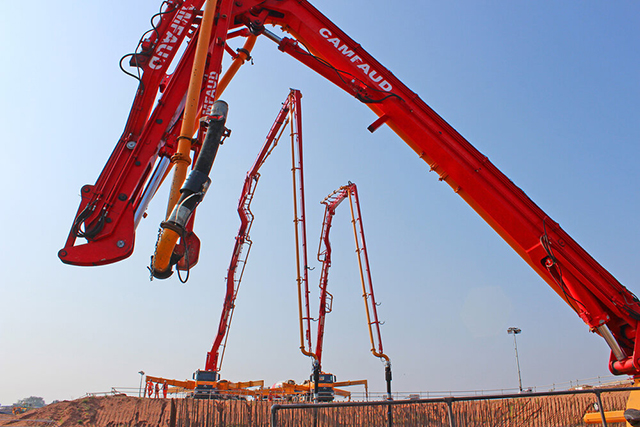
Concrete pump pipes must withstand internal pressure without bursting. The required pressure increases with vertical rise, horizontal distance, pipe diameter, and concrete stiffness. High-rise construction, long tunnel pours, and high-strength concrete all demand elevated pumping pressures.
A single-layer pipe can be made thicker to handle higher pressure, but that adds weight. A homogeneous pipe with a hardened inner surface may also become brittle if hardened through the entire wall, reducing its ability to withstand pressure spikes and mechanical stress.
How the double-layer pipe helps: The outer layer is specifically selected for toughness and pressure containment. It is not hardened to the same degree as the inner liner, so it retains ductility and resistance to crack propagation. This means the pipe can be designed to meet high pressure ratings without relying on excessive wall thickness alone. The inner layer handles wear; the outer layer handles stress.
In high-pressure applications, this separation of roles allows the pipe to operate safely where a single-material pipe might require an impractical weight or compromise between hardness and strength.
Problem 3: Frequent Downtime and Pipe Replacement
Every time a pipe reaches its wear limit, pumping stops. The crew must remove the old pipe, install a new one, and often reposition the boom or delivery line. On large pours, repeated downtime disrupts the concrete supply chain, increases the risk of cold joints, and extends the overall project schedule.
Single-layer pipes in abrasive conditions may need replacement after a relatively short volume of concrete. This creates a cycle of planned and unplanned maintenance.
How the double-layer pipe helps: By extending the service life of each pipe section, the double-layer design reduces the number of replacements required during a project. Fewer replacements mean less downtime, lower labor cost for maintenance, and more continuous pumping.
The benefit is most visible on projects with long continuous pours or tight schedules. For example, a high-rise slab pour or a tunnel lining operation cannot easily stop to replace a worn pipe. A double-layer pipe that survives the entire pour without replacement provides a direct operational advantage.
Problem 4: High Total Cost of Ownership in Abrasive Conditions
The purchase price of a double-layer wear-resistant pipe is higher than that of a standard single-layer pipe. However, the upfront cost is only one part of the total cost of ownership.
A less expensive single-layer pipe that must be replaced three times during a project may cost more overall when the following are included:
Replacement pipe purchase costs
Labor for removal and installation
Downtime during replacement
Disposal of worn pipes
Risk of unexpected failure and associated cleanup
How the double-layer pipe helps: The longer service life can reduce the total number of pipes purchased over the life of a project or fleet. Even if the double-layer pipe costs twice as much upfront, it can be the more economical choice if it lasts three or four times longer in abrasive conditions.
This is not always the case. In mild conditions or short-duration projects, the premium for a double-layer pipe may not be recovered. The economic benefit depends on the specific wear rate and project duration.
Problem 5: Uneven Wear and Rotation Limitations
Concrete does not wear a pipe evenly. The bottom of horizontal sections and the outer radius of bends typically experience more abrasion than other areas. Single-layer pipes can be rotated to distribute wear, but rotation requires access, labor, and suitable connection types. In some boom configurations, rotation may be difficult or impractical.
Double-layer pipes also experience uneven wear, but the harder inner liner resists this wear more effectively. The result is that the pipe maintains a more consistent wall thickness for a longer period, reducing the urgency of rotation.
How the double-layer pipe helps: The enhanced hardness of the inner surface slows the development of localized wear patterns. Operators may still rotate pipes to maximize life, but the interval between rotations can be extended. In some cases, a double-layer pipe may complete an entire project without needing rotation, whereas a single-layer pipe would have required one or more rotations.
This benefit reduces maintenance labor and allows crews to focus on pumping rather than pipe management.
Problem 6: Limited Options for Specialized Applications
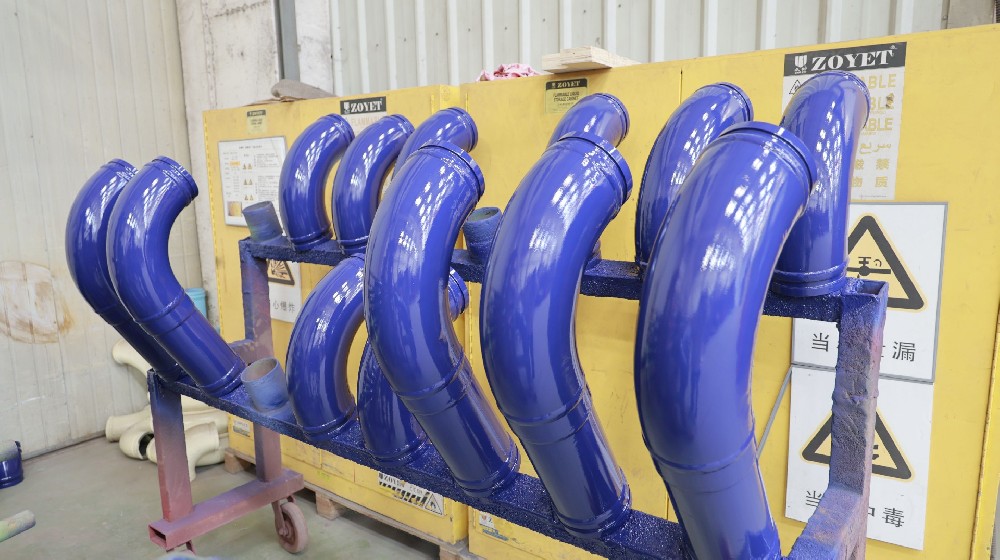
Certain applications are so demanding that standard pipes are simply not a practical option. These include:
High-rise pumping: Vertical rises of 200 meters or more create extreme pressure at the pump outlet and boom pipes.
Long-distance pumping: Horizontal runs exceeding several hundred meters increase cumulative friction loss.
Tunneling and mining: Confined spaces make pipe replacement difficult and dangerous.
Abrasive specialty concretes: Mixes with high silica fume content, steel fibers, or crushed hard aggregates accelerate wear dramatically.
In these environments, a single-layer pipe may require such a thick wall to handle pressure and wear that it becomes too heavy for the boom or impractical to handle. Alternatively, it may wear out so quickly that the project becomes inefficient.
How the double-layer pipe helps: By separating wear resistance from pressure containment, the double-layer design offers a combination of properties that is difficult to achieve in a single material. It allows the pipe to withstand high pressure, resist rapid wear, and remain within workable weight limits for many specialized applications.
The pipe is not a universal solution. It may still be too heavy for some older boom designs or unnecessary for low-pressure residential work. However, for extreme applications, it often provides the only practical balance of performance and service life.
Where Double-Layer Pipes Provide the Most Value
Not every job requires a double-layer wear-resistant pipe. The technology solves specific problems that arise in defined conditions. The following scenarios are where the pipe delivers the greatest benefit:
Concrete mixes with crushed aggregates or fibers
Pumping pressures consistently above 100 bar
Vertical rises above 100 meters
Long horizontal runs exceeding 200 meters
Projects with continuous pours and limited downtime tolerance
Applications where pipe replacement is difficult or hazardous
Fleet operations where total cost of ownership is tracked over many jobs
In contrast, a double-layer pipe may be over-specified for:
Low-rise residential pours
Short-distance pumping with mild concrete mixes
Booms with strict weight limits where the heavier pipe is not permitted
Occasional use where the upfront cost cannot be justified
Limitations to Keep in Mind
Double-layer wear-resistant pump pipes solve real problems, but they are not without limitations.
Higher initial cost. The premium over single-layer pipes must be justified by the expected service life and reduced downtime.
Greater weight. The dual-layer construction often adds weight compared with a single-layer pipe of the same diameter and pressure rating. This can affect boom load capacity and handling logistics.
More complex inspection. Because the inner liner and outer layer are different materials, assessing remaining wall thickness can be more complicated. Ultrasonic testing may require calibration for the specific materials, and liner separation is a potential concern if manufacturing quality is poor.
Potential for liner damage. A ceramic liner, for example, may be highly wear-resistant but more brittle than steel. Severe impact from hard objects inside the pipe could crack the liner, although proper material selection and manufacturing reduce this risk.
Not always necessary. In mild pumping conditions, a standard single-layer pipe with proper rotation and maintenance may perform adequately at a lower overall cost.
Conclusion
The double-layer wear-resistant pump pipe solves a specific and important set of problems in concrete pumping. It reduces the rate of abrasive wear in harsh concrete mixes, provides a stronger and safer structure under high pressure, lowers downtime by extending replacement intervals, and can improve total cost of ownership in demanding applications.
The technology works by separating the two primary demands placed on a pump pipe: the outer layer provides toughness and pressure containment, while the inner layer provides hardness and abrasion resistance. This division of functions is difficult to achieve in a single homogeneous steel tube.
The pipe is not a universal replacement for standard single-layer pipes. It is a targeted solution for high-wear, high-pressure, and long-duration pumping environments. When applied in the right conditions, it addresses the chronic problems of rapid wear, frequent downtime, and high long-term costs that often limit the performance of conventional pipe systems.