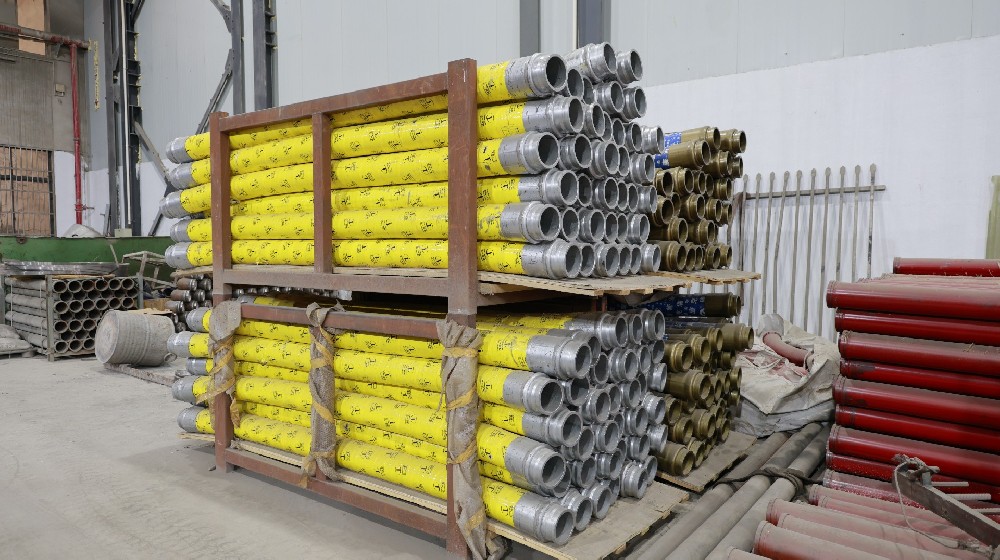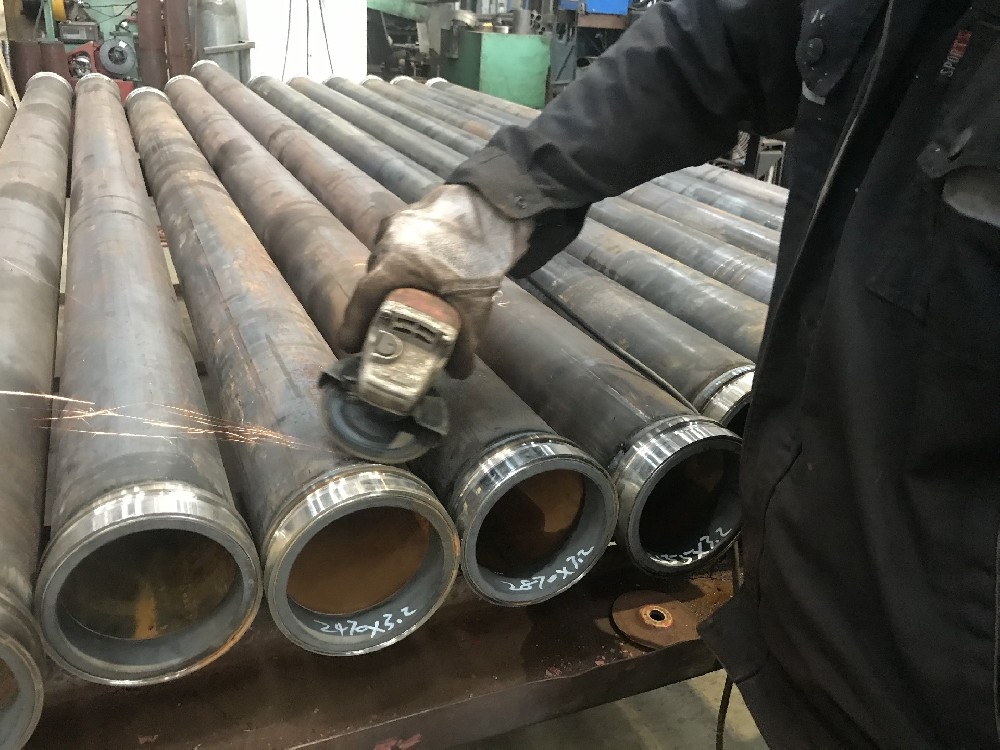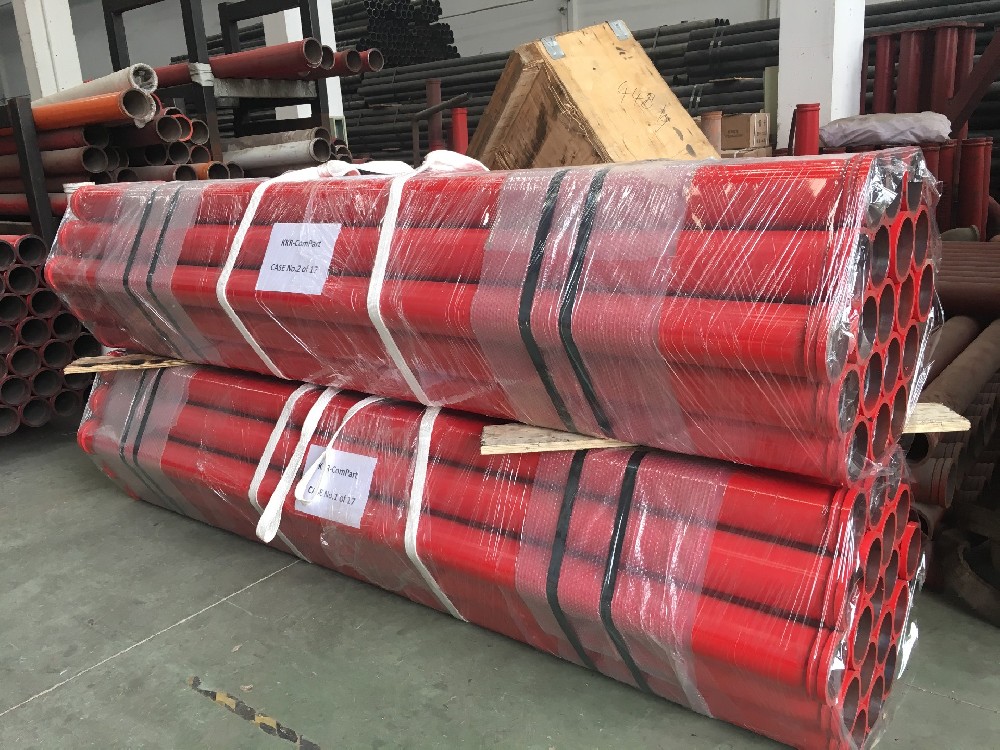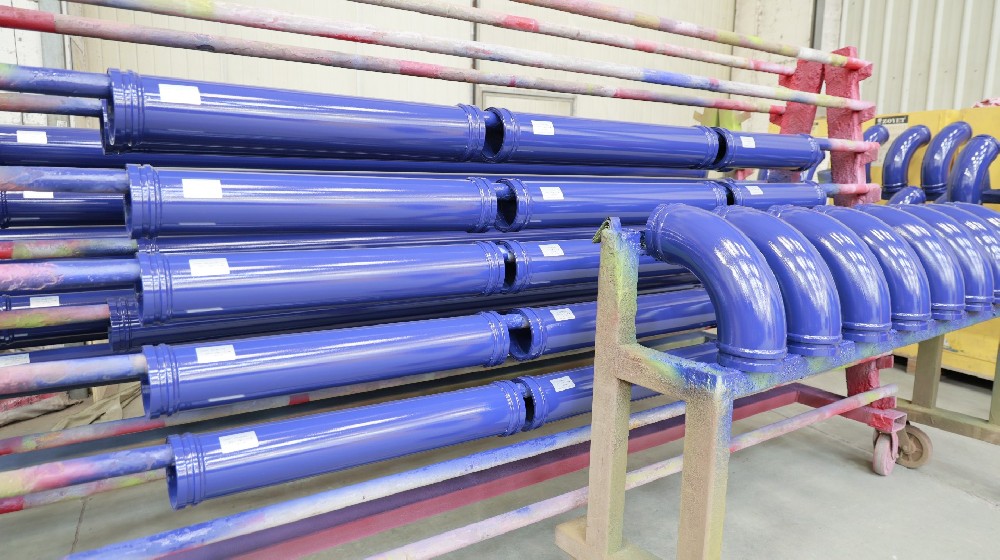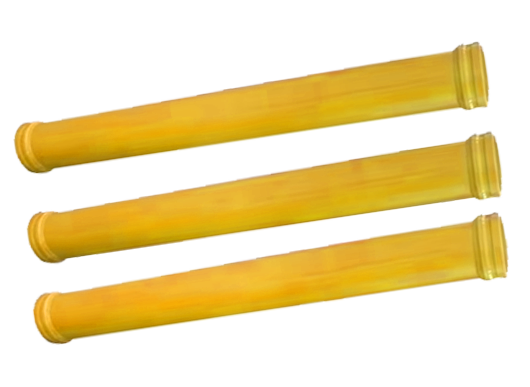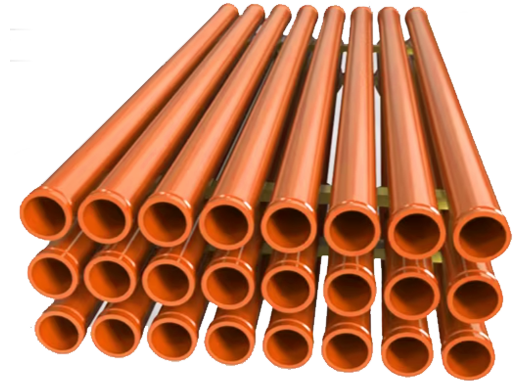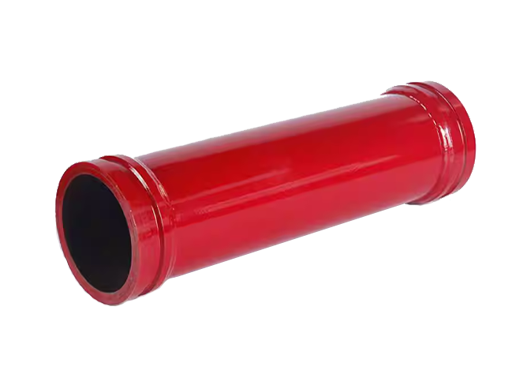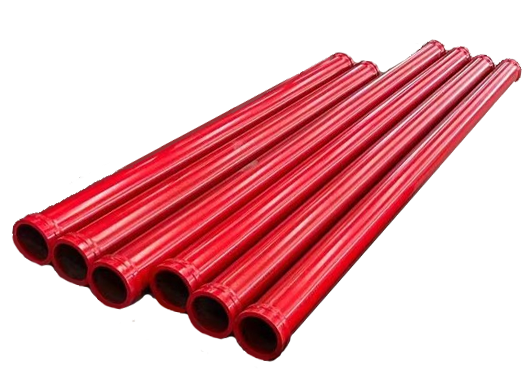



Customizable standard pump tubing for industrial installations
Customizable Standard Pump Tubing for Industrial Installations
Industrial pumping systems often operate under demanding conditions where equipment compatibility, installation efficiency, and long-term maintenance all need to be considered. For this reason, selecting suitable pump tubing is an important part of industrial system design.
Customizable standard pump tubing for industrial installations provides a practical solution for applications that require standardized dimensions while also allowing adjustments to meet specific project requirements. By combining standard manufacturing specifications with customizable options, industrial buyers can select tubing that better matches their equipment, pipeline layout, and operating conditions.
This article explains the role of standard pump tubing in industrial installations, available customization options, key selection factors, and considerations for purchasing from a professional supplier.
What Is Standard Pump Tubing?
Standard pump tubing refers to tubing manufactured according to established dimensional and technical specifications for use in pumping and fluid or material delivery systems.
Depending on the application, pump tubing may be designed for:
Pressurized material transport
Fluid delivery
Industrial process systems
Construction pumping equipment
Mining and aggregate handling
Manufacturing equipment
Material transfer systems
Standardized tubing dimensions can make procurement, replacement, and system integration more manageable.
However, industrial projects do not always use identical equipment or pipeline layouts. This is where customization can become useful.
Why Choose Customizable Standard Pump Tubing?
Industrial buyers often need a balance between standardization and project-specific requirements.
A fully standardized product may not perfectly match every installation, while a completely custom product can increase engineering and manufacturing complexity.
Customizable standard pump tubing provides an intermediate approach.
The basic dimensions and manufacturing structure can follow standard specifications, while selected parameters may be adjusted according to the customer's requirements.
This approach can help with:
Equipment compatibility
Pipeline integration
Replacement requirements
Installation planning
Maintenance management
Procurement flexibility
Common Customization Options for Pump Tubing
Customization requirements vary according to the application and equipment configuration.
Tubing Diameter
Diameter is one of the most important dimensions because it needs to correspond with the existing pumping system.
Common considerations include:
Internal diameter
Outside diameter
Connection dimensions
Required flow capacity
Pump outlet size
Selecting an appropriate diameter helps ensure that the tubing can be integrated into the intended system.
Tubing Length
Standard pipe lengths are suitable for many installations, but industrial projects may require different section lengths.
Customized lengths can be useful when:
Installation space is limited
The pipeline layout is irregular
Replacement sections have specific dimensions
The system contains different line configurations
Controlling tubing length during procurement can also reduce unnecessary cutting or modification at the installation site.
Wall Thickness
Wall thickness influences the mechanical characteristics and service conditions of the tubing.
The appropriate wall thickness depends on factors such as:
Operating pressure
Material being transported
Frequency of operation
Expected wear
Temperature conditions
Installation environment
Industrial purchasers should select wall thickness based on actual working requirements rather than using a single specification for every application.
Connection Configuration
Pump tubing may need to connect with existing pumps, valves, fittings, or other sections of the delivery system.
Customization may involve:
Connection diameter
End design
Flange configuration
Coupling compatibility
Sealing interfaces
For replacement projects, accurate dimensional matching is particularly important.
Material Selection for Industrial Pump Tubing
Material selection should be based on the characteristics of the medium being transported and the operating environment.
Depending on the application, tubing may be manufactured using different grades or material configurations.
Important considerations include:
Mechanical Strength
Industrial tubing may be exposed to internal pressure, vibration, external loads, and repeated installation.
The selected material should provide suitable mechanical properties for the intended application.
Wear Resistance
When abrasive materials are transported, internal wear can become an important consideration.
Applications involving concrete, aggregates, slurry, minerals, or other abrasive media may require tubing designed with appropriate wear characteristics.
Corrosion Resistance
Certain industrial environments expose tubing to moisture, chemicals, salts, or other corrosive substances.
In such situations, material and surface treatment should be selected according to the working environment.
Temperature Resistance
Some industrial systems operate under elevated or low temperatures. Tubing specifications should take into account the expected temperature range and its influence on material performance.
Standardization and Customization: Finding the Right Balance
The main advantage of customizable standard pump tubing is the ability to combine a familiar standard specification with selected project-specific adjustments.
For example, a customer may require a standard tubing diameter but a non-standard length.
Another project may use standard tubing dimensions but require a specific connection configuration.
Instead of redesigning the complete product, manufacturers can often modify selected parameters while maintaining a standard production structure.
This can provide benefits for industrial procurement teams that need repeatable specifications across multiple projects.
Applications of Customizable Pump Tubing
Customizable standard pump tubing can be applied in a variety of industrial environments.
Concrete Pumping Systems
Concrete pumping systems require delivery pipes capable of transporting fresh concrete under pressure.
In such applications, dimensions, wall thickness, connection compatibility, and wear resistance are important considerations.
Mining and Mineral Processing
Mining systems may transport slurry, aggregates, or other abrasive materials.
Tubing selection may therefore focus on material performance, wall thickness, and internal wear characteristics.
Manufacturing Systems
Industrial manufacturing facilities may use pumping systems for process materials, liquids, or other production media.
Tubing dimensions may need to match existing machinery and plant layouts.
Chemical Processing
Certain chemical applications require tubing materials and surface specifications that correspond to the transported medium.
Material compatibility should be evaluated before product selection.
Industrial Maintenance and Replacement
Replacement tubing is another common application.
Industrial facilities may need a small number of replacement sections that match existing equipment rather than replacing the entire system.
This makes dimensional customization particularly useful.
How to Select Pump Tubing for Industrial Installations
Choosing pump tubing should begin with a clear understanding of the application.
1. Identify the Pumping Medium
First determine what will pass through the tubing.
Possible materials include:
Water
Concrete
Slurry
Aggregates
Industrial liquids
Chemical solutions
Other process materials
The characteristics of the material affect tubing selection.
2. Determine Operating Pressure
The tubing should be suitable for the actual pressure conditions of the system.
Consider:
Normal operating pressure
Pressure fluctuations
Pump capacity
Pipeline length
Vertical delivery
System configuration
3. Confirm Dimensional Requirements
Accurate measurements are important when replacing or integrating tubing.
Buyers should confirm:
Internal diameter
Outside diameter
Wall thickness
Length
End dimensions
Connection type
Providing accurate drawings or samples can simplify technical confirmation with the manufacturer.
4. Evaluate Wear Conditions
If the transported material contains abrasive particles, wear should be considered during the selection process.
High-frequency systems may require tubing with different wear characteristics from occasional-use applications.
5. Consider Installation Environment
The installation environment can influence material selection and product configuration.
Factors may include:
Indoor or outdoor installation
Humidity
Dust
Temperature
Vibration
Available installation space
Accessibility for maintenance
Benefits of Customizable Standard Pump Tubing
Customization can provide several practical benefits for industrial projects.
Better Equipment Compatibility
Tubing can be adapted to match existing equipment specifications, helping reduce dimensional conflicts during installation.
Simplified Replacement
When a section of an existing system needs to be replaced, customized dimensions may make it possible to maintain the existing pipeline layout.
Improved Installation Planning
Customized lengths and connection configurations can reduce the need for on-site modification.
Procurement Flexibility
Industrial buyers may require different quantities and specifications for different projects. A manufacturer offering both standard and customizable products can support more flexible procurement.
Easier Maintenance Management
When tubing specifications are clearly documented, maintenance teams can identify replacement parts more efficiently.
Quality Control for Customizable Pump Tubing
Customization does not remove the need for consistent manufacturing control.
A professional manufacturer should maintain quality controls throughout the production process.
Dimensional Inspection
Important dimensions should be checked according to the approved specifications.
This may include:
Internal diameter
Outside diameter
Length
Wall thickness
Connection dimensions
Straightness
Material Verification
The manufacturer should maintain appropriate material identification and inspection procedures.
Welding Inspection
For welded tubing, weld quality can influence mechanical integrity and service performance.
Depending on the product structure, inspection may include visual checks and other applicable testing methods.
Surface Inspection
Internal and external surfaces should be checked for defects that may affect installation or operation.
Final Inspection
Customized products should be inspected against the customer's approved drawings or technical specifications before shipment.
Why Technical Communication Matters
One of the most important parts of customized industrial tubing procurement is communication between the buyer and manufacturer.
A quotation based only on a product name may not provide enough information for accurate production.
Instead, buyers should provide as much technical information as available.
Useful information may include:
Application
Pump model
Tubing dimensions
Operating pressure
Transported material
Connection type
Required quantity
Installation drawings
Reference samples
Required delivery schedule
The more complete the technical information, the easier it is for the supplier to confirm the appropriate configuration.
Standard Pump Tubing vs. Fully Custom Products
Both standard and fully customized tubing have their place in industrial procurement.
Standard Pump Tubing
Standard products are suitable when:
Existing equipment follows common dimensions
Replacement parts are readily available
Large quantities are required
The installation has a conventional layout
Standard products can simplify inventory management and repeat purchasing.
Fully Customized Pump Tubing
Fully customized products may be suitable when:
The installation has unusual dimensions
Standard connections are unsuitable
The equipment has specialized requirements
Existing components need to be matched precisely
Customizable Standard Pump Tubing
This option can be practical when a project needs only selected modifications while retaining the basic standard product structure.
It can provide a useful balance between standardization and customization.
Procurement Considerations for Industrial Buyers
Industrial buyers should consider technical factors as well as commercial conditions.
Minimum Order Quantity
Different projects have different requirements. Some customers may need a complete production batch, while others may need several replacement sections.
Confirming the supplier's minimum order quantity before production can help with procurement planning.
Packaging
Pump tubing should be appropriately packaged to prevent unnecessary damage during handling and transportation.
Packaging requirements may depend on:
Tubing length
Product weight
Connection design
Export destination
Transportation method
Lead Time
Customized products may require additional technical confirmation or production preparation.
Buyers should communicate project schedules early to avoid unnecessary delays.
Replacement Availability
For long-term industrial projects, it can be useful to work with a supplier capable of producing the same specifications for future replacement needs.
Maintaining consistent drawings and product records can simplify repeat orders.
How Manufacturers Can Support Custom Pump Tubing Projects
A capable manufacturer should be able to support customers from technical confirmation through production and delivery.
The process may include:
Step 1: Requirement collection
The customer provides application information, dimensions, drawings, and connection requirements.
Step 2: Technical review
The manufacturer confirms whether the requested specification can be produced.
Step 3: Specification approval
Both parties confirm dimensions, material, tolerance, connection details, and quantity.
Step 4: Production
The approved tubing is manufactured according to the confirmed specification.
Step 5: Quality inspection
The finished products are checked against the approved requirements.
Step 6: Packaging and shipment
Products are prepared for transportation according to the agreed packaging and delivery requirements.
This structured approach can reduce misunderstandings and support more consistent project execution.
Questions to Ask a Pump Tubing Manufacturer
Before placing an order, industrial purchasers may want to ask:
What standard tubing specifications are available?
Which dimensions can be customized?
Can the tubing match an existing pump system?
What materials are available?
What wall thickness options are offered?
Can different lengths be manufactured?
What connection types are supported?
What quality inspection procedures are used?
Can replacement sections be produced based on previous orders?
What information is required for a technical quotation?
These questions can help buyers evaluate whether a supplier is suitable for the project.
Choosing a Supplier for Customizable Standard Pump Tubing
The right supplier should provide more than a product catalog.
Industrial buyers should look at the manufacturer's:
Production capability
Technical support
Dimensional control
Material management
Quality inspection process
Customization capability
Packaging process
Export experience
After-sales communication
A supplier that understands the relationship between tubing specifications and the actual pumping application can provide more useful technical support during procurement.
Conclusion
Customizable standard pump tubing for industrial installations provides a practical approach for projects that need both standardized product structures and application-specific dimensions.
Diameter, length, wall thickness, material, connection configuration, operating pressure, wear conditions, and installation environment all need to be considered when selecting pump tubing.
For industrial contractors, equipment manufacturers, distributors, and maintenance teams, a well-defined technical specification can make procurement, installation, replacement, and maintenance more manageable.
By working with a manufacturer that can provide consistent standard products together with controlled customization, industrial buyers can develop tubing solutions that better align with their existing equipment and project requirements.
Frequently Asked Questions
What is customizable standard pump tubing?
Customizable standard pump tubing is manufactured using established product specifications while allowing selected parameters, such as length, diameter, wall thickness, or connection configuration, to be adjusted according to project requirements.
Can standard pump tubing be customized in length?
In many cases, manufacturers can produce different tubing lengths according to confirmed technical requirements. The available options depend on the product structure and manufacturing process.
How do I choose the correct pump tubing diameter?
Diameter should be selected according to the pumping equipment, transported material, required flow, operating pressure, and connection specifications.
Is customization available for replacement pump tubing?
Yes. Replacement tubing can often be manufactured according to existing dimensions, technical drawings, samples, or connection specifications.
What information should I provide when requesting a quotation?
Useful information includes tubing diameter, length, wall thickness, material, connection type, application, pumping medium, operating pressure, required quantity, and drawings or reference samples when available.
Why is wall thickness important for industrial pump tubing?
Wall thickness affects the tubing's mechanical characteristics and may also influence its resistance to wear and operating conditions. The appropriate thickness should be selected according to the specific application.
Can customized pump tubing be used in different industrial applications?
The suitability depends on the material, dimensions, pressure requirements, transported medium, and equipment compatibility. Each application should be evaluated according to its actual operating conditions.