


Concrete Pump Pipes for High-Rise Projects?
Concrete Pump Pipes for High-Rise Projects
High-rise construction requires concrete delivery systems that can handle long vertical distances, changing site conditions, and continuous pumping operations. In these projects, concrete pump pipes play an important role in maintaining a reliable path from the concrete pump to the placement point.
As building heights increase, the requirements for concrete conveying systems also become more specific. Pipe material, wall thickness, connection design, internal surface condition, and wear resistance can all influence pumping efficiency, maintenance intervals, and overall project coordination.
This article explains how concrete pump pipes are used in high-rise projects, what factors should be considered during selection, and how proper pipe configuration can support stable concrete pumping operations.
What Are Concrete Pump Pipes?
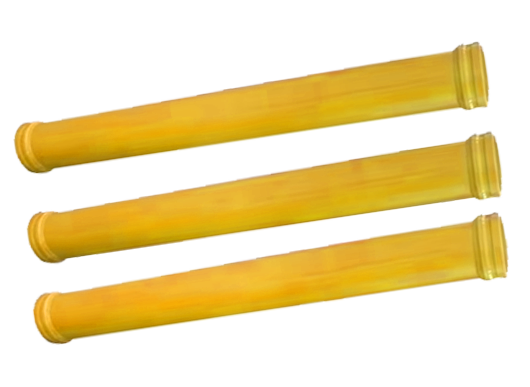
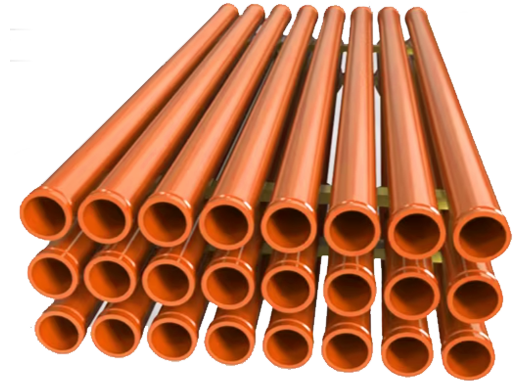
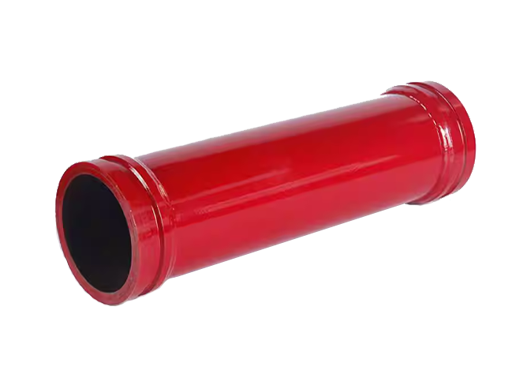
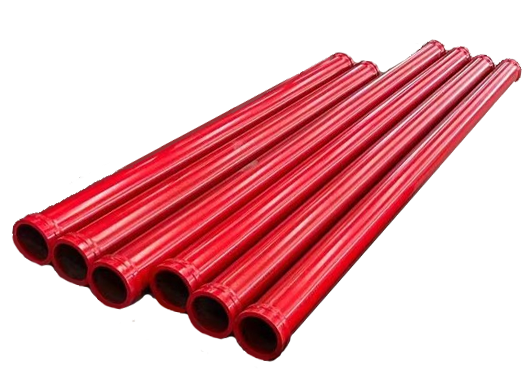
Concrete pump pipes are steel or alloy-based conveying pipes designed to transport fresh concrete under pressure from a concrete pump to the required placement location.
A typical pumping system may include:
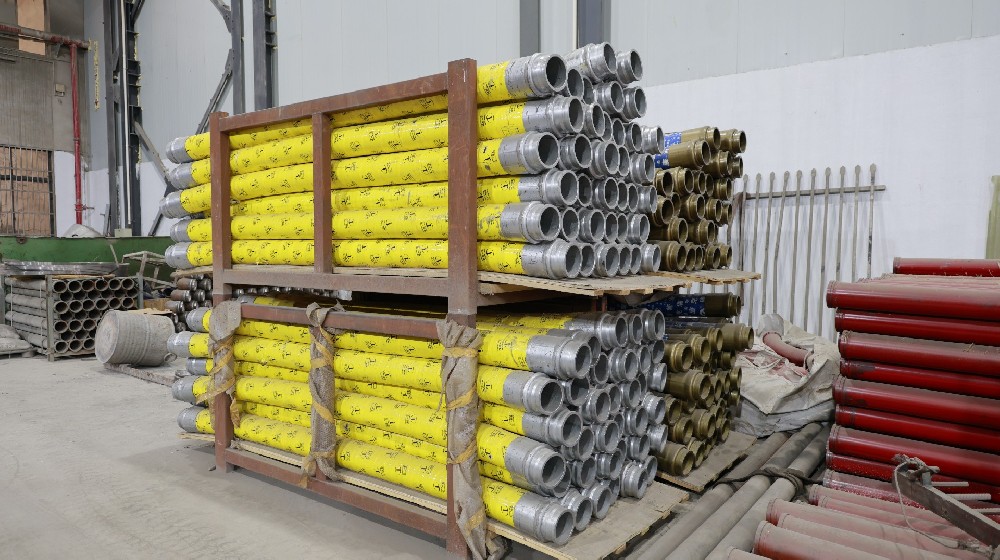
Straight pump pipes
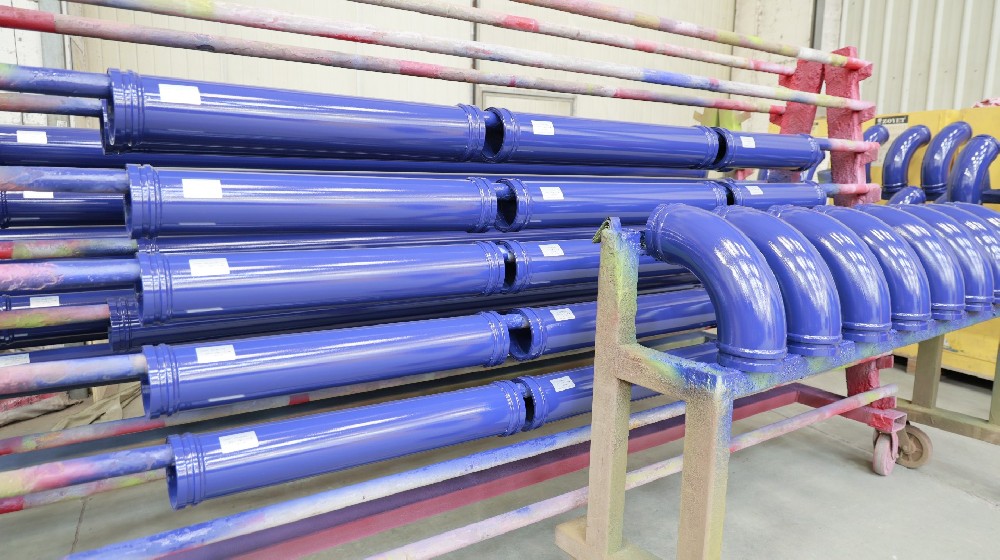
Elbow pipes
Reducer pipes
Couplings and clamps
Wear-resistant sections
End hoses
Supporting and fixing components
For high-rise applications, straight pipes are commonly arranged vertically along or inside the structure, while horizontal sections and elbows are used to connect different parts of the pumping route.
The pipe system must be compatible with the concrete pump, delivery line, working pressure, pipe diameter, and connection method used on the project.
Why Concrete Pump Pipes Matter in High-Rise Construction
Concrete pumping becomes more demanding as vertical delivery height increases. The pumping system must overcome both the resistance created by the concrete mix and the pressure associated with the delivery distance.
A suitable pipe system can help construction teams manage several practical challenges.
1. Long Vertical Delivery
High-rise buildings may require concrete to be transported hundreds of meters from ground level to elevated floors. The delivery pipe must provide a continuous and mechanically secure route while supporting repeated pumping cycles.
Pipe selection should therefore consider:
Vertical delivery distance
Pump pressure
Concrete mix design
Aggregate size
Pumping frequency
Expected service conditions
2. Continuous Construction Operations
Concrete placement is often coordinated with batching, transportation, pumping, and formwork operations. An unexpected issue in the delivery line can interrupt this sequence.
Consistent pipe dimensions, properly manufactured connections, and suitable wear characteristics can contribute to smoother site operation.
3. Wear from Concrete Flow
Concrete is an abrasive material. Aggregate moving through the pipe can gradually wear the internal wall, especially at elbows and other areas where the flow direction changes.
For projects involving frequent pumping, pipe wear should be treated as an important maintenance consideration rather than an afterthought.
Key Factors When Selecting Concrete Pump Pipes for High-Rise Projects
Choosing concrete pump pipes involves more than selecting a nominal diameter. The complete pumping environment should be considered.
1. Pipe Diameter
Common delivery pipe sizes vary according to equipment and application. The appropriate diameter should match the concrete pump and required output.
A suitable diameter can help balance:
Pumping resistance
Concrete flow characteristics
Required pumping volume
Aggregate size
Equipment compatibility
Using a pipe that does not match the pumping system may affect performance and could create unnecessary operational challenges.
2. Material and Wall Thickness
The pipe material and wall thickness directly influence its mechanical performance and service life.
Different project conditions may require different specifications. Factors such as pumping pressure, concrete composition, delivery frequency, and expected wear should be evaluated before selecting a pipe specification.
For high-frequency applications, wear-resistant pipe designs may be considered to reduce the impact of internal abrasion.
3. Connection System
A high-rise delivery line may contain a large number of pipe sections and connections. Reliable connections are therefore essential.
Common connection considerations include:
Dimensional accuracy
Coupling compatibility
Sealing performance
Ease of installation
Ease of replacement
Mechanical stability
Connections should be properly matched throughout the delivery line to help maintain system integrity during pumping.
4. Elbows and Bends
Elbows are particularly important in high-rise concrete pumping systems because they redirect concrete flow.
Abrasion is often more noticeable at bends than in straight sections. As a result, elbow specifications should be selected according to the expected pumping conditions rather than treating all pipe sections as identical.
Wear-resistant elbow designs can be useful in applications where concrete is pumped frequently or over extended periods.
5. Internal Surface Condition
The internal surface of a pump pipe affects the interaction between the concrete and the pipe wall.
A well-controlled internal surface can help reduce unnecessary flow resistance and support more consistent pumping conditions.
Manufacturing quality should therefore include attention to:
Internal diameter consistency
Surface condition
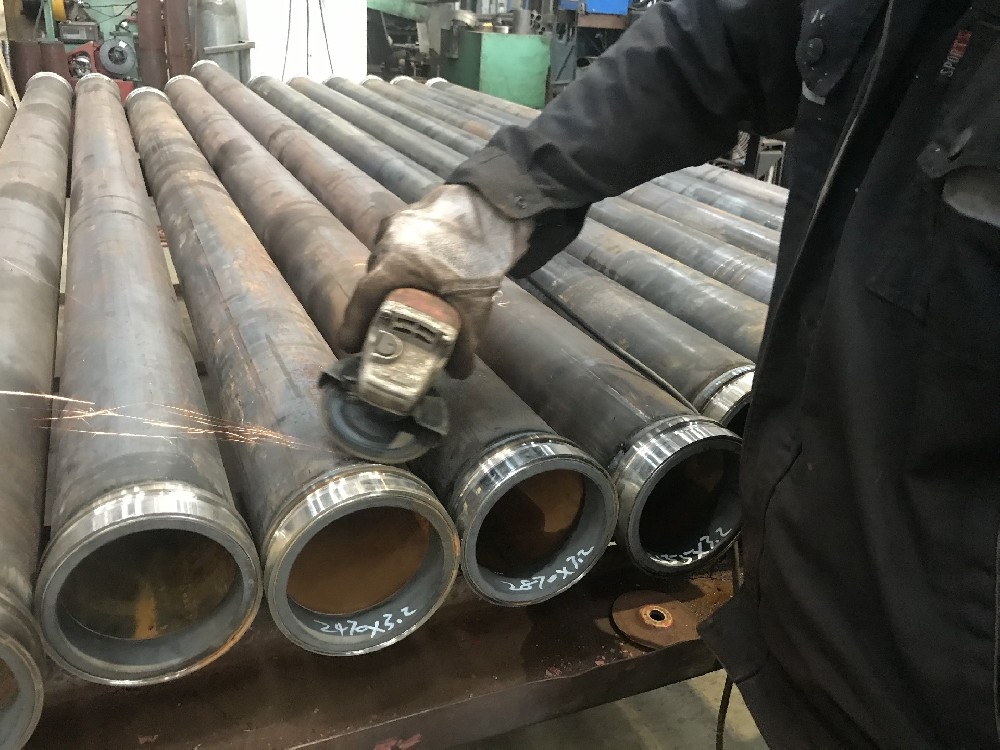
Welding quality
Dimensional tolerance
Straightness
Concrete Pump Pipe Configuration for High-Rise Buildings
A typical high-rise pumping system may combine several pipe sections to create a complete delivery route.
The configuration can generally include a vertical riser, horizontal sections, elbows, and a terminal hose.
Vertical Pumping Line
The vertical section carries concrete upward through the building. Proper fixing and support are important because the line is exposed to mechanical forces, vibration, and the weight of the pipe and concrete contained inside it.
Horizontal Sections
Horizontal pipe runs may connect the pump to a vertical riser or extend across a construction floor.
The routing should avoid unnecessary bends and excessive changes in direction where practical.
Elbow Sections
Elbows are installed where the pumping route changes direction. Since these sections can experience increased wear, their material and geometry should be considered carefully.
End Hose
The final flexible section allows workers to distribute concrete around the placement area.
The length and configuration of the terminal section should be coordinated with the pumping equipment and site requirements.
How to Improve Concrete Pumping Efficiency in High-Rise Projects
The pipe itself is only one part of the overall pumping system. Efficient operation depends on coordination between equipment, pipe configuration, concrete mix, and site management.
Plan the Delivery Route Before Installation
Before installing the pumping line, engineers and site teams should review the planned route.
The design process may consider:
Building height
Pump location
Vertical riser position
Floor layout
Number of bends
Pipe support locations
Access for inspection and replacement
A well-planned route can reduce unnecessary pressure losses and simplify maintenance.
Match Pipe Specifications to the Pump
The pipe delivery system should be compatible with the concrete pump's rated operating conditions.
Important parameters include pump outlet size, operating pressure, delivery volume, and coupling type.
The system should be evaluated as a complete assembly rather than selecting individual components independently.
Monitor Wear During Operation
Regular inspection is useful for identifying sections that may require replacement.
Attention should be given to:
Elbows
Frequently used straight pipes
Connection points
Sections exposed to repeated pumping
Areas where wall thickness may have decreased
A planned inspection program can help construction teams avoid unexpected interruptions.
Use Appropriate Concrete Mix Design
Concrete properties have a direct effect on pumping behavior.
Mix design factors such as water content, cementitious materials, aggregate grading, admixtures, and workability can influence pipe friction and pumping pressure.
Therefore, pipe selection should be considered together with the concrete mix and pumping requirements.
Common Problems with Concrete Pump Pipes
Understanding potential problems can help site teams improve maintenance and operating procedures.
Excessive Pipe Wear
Continuous pumping gradually reduces pipe wall thickness. Wear rates can vary depending on concrete composition, pumping distance, pressure, flow rate, and pipe geometry.
Leakage at Connections
Leaks may result from damaged seals, improper coupling installation, dimensional inconsistencies, or worn components.
Connections should be inspected regularly and assembled according to the applicable equipment requirements.
Blockage in the Delivery Line
Concrete blockage can occur when pumping conditions are unsuitable or when material begins to set inside the line.
Possible contributing factors include:
Extended pumping interruption
Improper concrete consistency
Incorrect cleaning procedures
Excessive pipe bends
Inadequate priming
Preventive planning and proper operating procedures can help reduce these risks.
Maintenance Recommendations for High-Rise Pump Pipe Systems
Proper maintenance is essential for keeping concrete delivery systems in usable condition.
After pumping operations, the delivery line should be cleaned using an appropriate cleaning procedure. Remaining concrete can harden inside the pipe and create significant resistance during later operations.
Routine maintenance may include:
Inspecting pipe wall thickness.
Checking elbows for localized wear.
Examining couplings and sealing components.
Inspecting pipe ends for deformation.
Cleaning the delivery line after operation.
Recording pipe usage and replacement history.
Keeping inspection records can also help construction companies identify frequently worn sections and improve future pipe planning.
Concrete Pump Pipes and Project Cost Management
Pipe selection affects more than the initial purchasing cost.
For high-rise projects, the total cost of a concrete delivery system may include:
Initial pipe procurement
Transportation
Installation
Support and fixing
Maintenance
Cleaning
Replacement
Downtime associated with pipe problems
A pipe with an appropriate service specification can provide a more predictable maintenance cycle.
For contractors and equipment rental companies, this makes pipe quality an important part of project planning and operational cost control.
What Contractors Should Ask a Concrete Pump Pipe Supplier
Before purchasing pump pipes for a high-rise project, buyers may want to confirm several technical details with the supplier.
Product Specifications
Ask for information such as:
Outside diameter and inside diameter
Wall thickness
Pipe length
Material specification
Connection type
Elbow radius
Weight per section
Applicable pump systems
Manufacturing Information
It can also be useful to understand:
Production process
Welding method
Heat treatment, when applicable
Dimensional inspection
Wear testing
Quality control procedures
Application Support
A professional supplier should be able to discuss the relationship between pipe specifications and the customer's actual working conditions.
This is particularly important for high-rise projects where pumping distance, operating pressure, and usage frequency can vary considerably.
Concrete Pump Pipes for Different High-Rise Applications
Concrete delivery requirements are not identical across all high-rise projects.
Residential Towers
Residential tower construction commonly involves repeated concrete placement across multiple floors. A dependable vertical delivery system can support regular floor-by-floor construction.
Commercial Buildings
Commercial projects may have large concrete volumes and complex floor layouts. Pipe routing may need to accommodate changing construction zones and different placement areas.
Infrastructure Structures
Concrete pumping is also used in elevated infrastructure and other large-scale structures where long-distance delivery is required. Pipe specifications should be matched to the equipment and concrete mix used for the application.
Choosing the Right Concrete Pump Pipe Supplier
A supplier for high-rise projects should be evaluated based on product capability, manufacturing consistency, technical understanding, and service responsiveness.
Useful evaluation points include:
Product range: The supplier should be able to provide suitable straight pipes, elbows, and related delivery-line components.
Manufacturing control: Consistent dimensions and controlled production processes are important for installation and system compatibility.
Technical support: The supplier should understand concrete pumping applications rather than simply providing standard steel pipes.
Flexible order quantities: Contractors may require replacement sections for specific maintenance needs. Suppliers able to support different purchasing quantities can provide greater procurement flexibility.
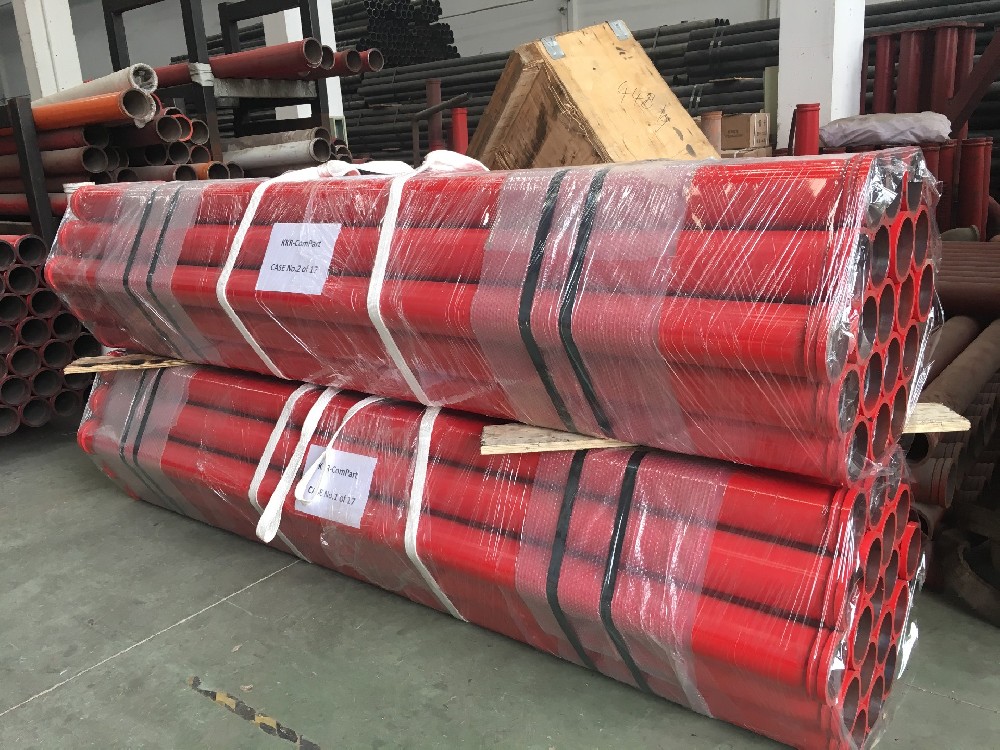
Export and packaging capability: For international projects, appropriate packaging and shipment coordination can reduce transport-related handling problems.
Conclusion
Concrete pump pipes are an important part of the concrete delivery system used in high-rise construction. As pumping distances increase, pipe diameter, wall thickness, material selection, connection design, wear resistance, and system configuration all deserve careful consideration.
A well-designed delivery line should be matched to the concrete pump, concrete mix, project height, pumping pressure, and construction schedule. Regular inspection and cleaning can further support stable operation and help control maintenance requirements.
For contractors, concrete pump equipment suppliers, and construction companies, selecting suitable concrete pump pipes is not simply a purchasing decision. It is part of the broader process of planning a reliable concrete pumping system for demanding construction environments.
Frequently Asked Questions
What type of concrete pump pipe is suitable for high-rise projects?
The appropriate pipe depends on factors such as pumping height, operating pressure, concrete mix, pipe diameter, and expected pumping frequency. The specification should be selected according to the complete pumping system.
Does pipe diameter affect concrete pumping performance?
Yes. Pipe diameter can influence flow resistance, pumping pressure, concrete velocity, and pump compatibility. The selected diameter should match the concrete pump and project requirements.
Which parts of a concrete pump pipe system wear faster?
Elbows and sections exposed to frequent pumping may experience more noticeable wear because changes in flow direction can increase abrasion.
How often should concrete pump pipes be inspected?
Inspection frequency depends on usage conditions. High-frequency pumping operations generally require more regular checks of wall thickness, elbows, connections, and pipe ends.
Can concrete pump pipes be used for different concrete pumps?
Compatibility depends on dimensions, connection type, pressure rating, and system configuration. The pipe specification should be confirmed against the intended concrete pump before use.