


Why Unit Price Is Not the Only Metric for Purchasing Pump Hoses
Why Unit Price Is Not the Only Metric for Purchasing Pump Hoses
When purchasing pump hoses for industrial or construction applications, unit price is often one of the first figures procurement teams compare. A lower quoted price can appear attractive, especially when a project requires a large number of hoses or when purchasing decisions are based on short-term budgets.
However, the purchase price of a pump hose is only one part of the overall cost. For professional buyers, factors such as service life, equipment compatibility, pressure requirements, hose construction, maintenance, replacement frequency, transportation, and potential downtime can have a significant impact on the actual cost of using the product.
This is why unit price should not be the only metric for purchasing pump hoses.
A more practical approach is to evaluate the hose according to its total cost of ownership, expected operating conditions, and compatibility with the complete pumping system.
What Is a Pump Hose?
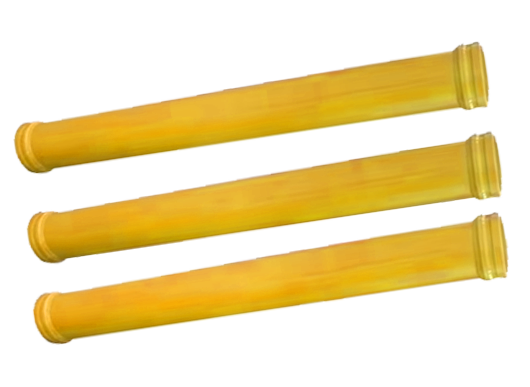
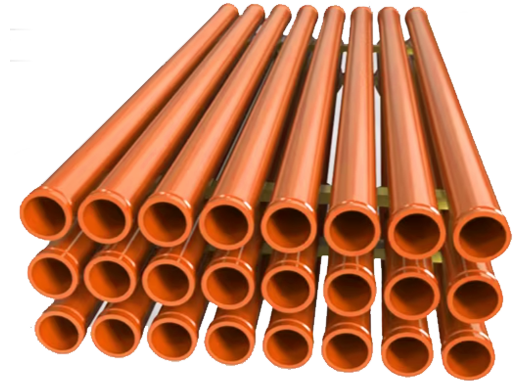
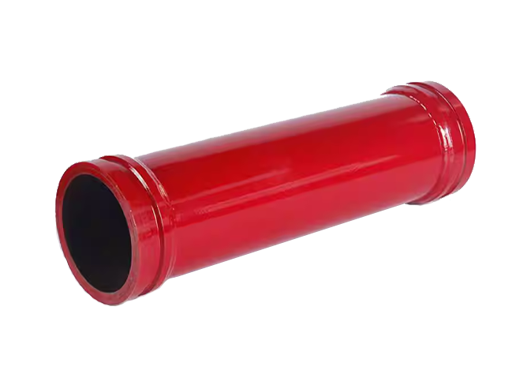
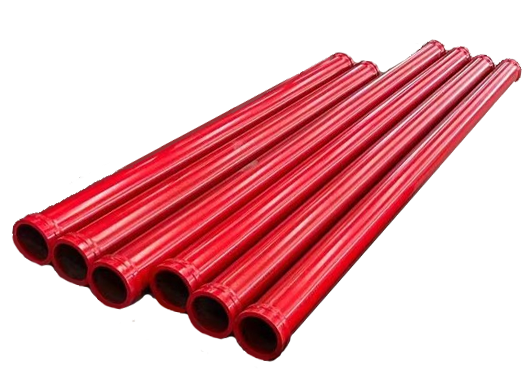
A pump hose is a flexible conveying component used to transport fluids, concrete, slurry, or other materials between equipment and a designated discharge or delivery point.
Depending on the application, pump hoses may be used in:
Concrete pumping
Industrial fluid transfer
Slurry transportation
Construction equipment
Mining operations
Material handling
Industrial processing
Different applications require different hose specifications. Pressure rating, internal diameter, material construction, reinforcement, connection method, and flexibility all need to be considered before purchasing.
Why Unit Price Can Be Misleading
Two pump hoses may look similar on a quotation while having substantially different technical specifications.
For example, Hose A may have a lower purchase price, but if it has a shorter usable life under the customer's working conditions, it may need to be replaced more frequently.
Hose B may have a higher initial price but remain suitable for a longer operating period.
If Hose A needs to be replaced three times while Hose B needs to be replaced once during the same project period, comparing only the original unit price does not provide a complete picture.
The relevant question is therefore not simply:
“Which hose costs less?”
A more useful question is:
“Which hose provides an appropriate cost over its expected period of use?”
1. Service Life Should Be Considered Alongside Price
Service life is one of the most important factors when evaluating pump hoses.
The usable life of a hose can depend on:
Working pressure
Pumping frequency
Transported material
Abrasive particles
Temperature
Bending conditions
Installation method
Cleaning procedures
Storage conditions
A hose designed for a particular operating environment may provide a different service life from a hose selected mainly according to its purchase price.
For B2B buyers, service-life information can provide a better basis for comparing products from different suppliers.
2. Total Cost of Ownership
Total cost of ownership, or TCO, considers the expenses associated with purchasing and using a product rather than the initial purchase price alone.
For pump hoses, TCO may include:
Purchase cost + transportation + installation + maintenance + replacement + downtime-related cost
Not every project will incur all of these costs, but the concept helps procurement teams evaluate products more systematically.
Example of a Simple Cost Comparison
Suppose a project requires a pump hose for repeated operation over a fixed period.
| Item | Hose A | Hose B |
|---|---|---|
| Unit price | $100 | $150 |
| Estimated replacements | 3 | 1 |
| Total hose purchase cost | $300 | $150 |
| Installation labor | Higher | Lower |
| Downtime exposure | Potentially higher | Potentially lower |
In this simplified example, the hose with the higher unit price may have the lower total product cost over the project period.
The actual result depends on operating conditions and verified product performance, but the example illustrates why unit price alone can produce an incomplete purchasing decision.
3. Compatibility With Existing Equipment
A pump hose must be compatible with the equipment and delivery system where it will be installed.
Important specifications may include:
Internal diameter
Outside diameter
Working pressure
Connection type
End fitting dimensions
Hose length
Bend radius
Temperature range
A lower-priced hose that does not properly match the existing equipment may create additional costs through adapters, modifications, installation delays, or replacement.
For this reason, compatibility should be confirmed before price comparison.
4. Working Pressure Matters
Pump hoses are exposed to internal pressure during operation.
The hose selected for a particular system should be suitable for the actual operating conditions and applicable safety requirements.
Buyers should consider:
Normal working pressure
Pressure fluctuations
Pump capacity
Material characteristics
Hose length
Connection configuration
A quotation that does not clearly state relevant pressure specifications may make meaningful comparison difficult.
Procurement teams should compare products based on equivalent technical specifications rather than comparing prices between products with different pressure capabilities.
5. Abrasion Resistance Can Affect Replacement Costs
For applications involving abrasive materials, internal wear can be a significant factor.
Concrete, aggregate-containing materials, slurry, and mineral-based materials can gradually affect the internal surface of a hose.
The rate of wear can depend on:
Material composition
Particle size
Flow velocity
Pumping frequency
Pressure
Hose construction
A hose with a suitable internal construction for the application may reduce the frequency of replacement.
This does not mean that a more expensive hose is automatically a better choice. Instead, procurement decisions should be based on whether the hose's wear characteristics match the intended working conditions.
6. Flexibility Has Practical Value
One of the main advantages of a hose over rigid piping is flexibility.
However, not every hose offers the same bending characteristics.
In construction and industrial applications, the hose may need to be positioned around:
Formwork
Machinery
Structural components
Limited-access areas
Temporary installations
Uneven workspaces
A suitable bending radius can make installation and positioning easier.
A hose that is difficult to handle may require additional labor or create unnecessary installation challenges, even when its unit price is lower.
7. Connection Quality Should Not Be Overlooked
The hose itself is only one part of the connection system.
The end fittings, clamps, seals, and connection dimensions all affect system compatibility.
Before purchasing, buyers should verify:
Connection type
Fitting dimensions
Coupling compatibility
Sealing method
Connection security
Replacement requirements
A hose with an unsuitable connection configuration may require additional components or modification.
In B2B procurement, it is often more efficient to confirm connection specifications before requesting a final quotation.
8. Replacement Frequency Affects Labor Costs
Replacing a pump hose involves more than purchasing another hose.
Depending on the application, replacement may require:
Equipment shutdown
Removal of the existing hose
Installation of the replacement
Connection inspection
Cleaning
System testing
Additional labor
Frequent replacement therefore increases both material and labor costs.
For projects with regular pumping operations, a product's expected replacement frequency should be considered during supplier evaluation.
9. Downtime Has a Cost
This is particularly important for construction projects and industrial production systems.
When a pump hose needs to be replaced unexpectedly, work may need to stop while maintenance personnel diagnose the issue and install a replacement.
The actual cost may include:
Labor
Equipment idle time
Delayed concrete placement
Schedule disruption
Additional transportation
Coordination with other teams
The financial impact varies by project, but the principle is straightforward: the cost of a component failure can exceed the component's purchase price.
This is why reliability and maintenance planning should be included in procurement decisions.
10. Product Consistency Matters for Repeat Purchasing
For companies purchasing pump hoses regularly, consistency between production batches is important.
If hose dimensions or connection details vary significantly between orders, replacement and installation can become more complicated.
Procurement teams may therefore evaluate suppliers based on:
Dimensional consistency
Material consistency
Manufacturing process control
Inspection procedures
Product documentation
Batch traceability
A consistent supplier relationship can simplify repeat purchasing when the same hose specification is needed across multiple projects.
11. Standard Specifications Can Improve Procurement Efficiency
Standardized hose dimensions can make purchasing and replacement easier, particularly for companies managing multiple pieces of equipment.
Standardization may involve:
Common hose lengths
Standard internal diameters
Defined connection types
Standard pressure requirements
Consistent product documentation
When a company's equipment fleet uses standardized hose specifications, procurement teams can reduce the number of different products they need to manage.
However, standardization should not override actual equipment requirements.
12. Customization May Be Useful
Some applications require hose specifications that are not available in a standard product range.
Depending on the manufacturer, customization may be possible for parameters such as:
Hose length
Internal diameter
Connection type
End fittings
Reinforcement structure
Rubber or polymer composition
External cover
Customization can be useful when replacing an existing hose or integrating a hose into a specialized pumping system.
Before selecting a custom configuration, buyers should confirm technical requirements with the manufacturer.
13. Material Quality and Hose Construction
A pump hose typically consists of multiple functional layers.
Depending on the design, these may include:
Inner tube
Reinforcement layer
Outer cover
End connection assembly
Each layer has a specific role.
The inner layer interacts directly with the transported medium.
The reinforcement layer provides structural support under pressure.
The outer cover protects the hose from external environmental and mechanical conditions.
When comparing suppliers, procurement teams should review the construction of the hose rather than relying only on general marketing descriptions.
14. Manufacturer Quality Control
A reliable procurement decision requires more than a product name and price.
Buyers may request information about:
Material specifications
Dimensional inspection
Pressure testing
Visual inspection
Connection inspection
Batch control
Production records
The exact inspection program depends on the manufacturer and product type.
Clear technical documentation makes it easier for buyers to compare suppliers on an equivalent basis.
15. Transportation and Packaging Costs
For international B2B purchases, transportation can represent a meaningful portion of the final landed cost.
The procurement team should therefore consider:
Product weight
Package dimensions
Number of hoses
Packaging method
Shipping method
Destination
Delivery terms
A lower unit price may not necessarily result in a lower delivered cost.
A more complete purchasing comparison should therefore include the expected landed cost.
16. Minimum Order Quantity
Minimum order quantity can also affect the real purchasing cost.
For example, Supplier A may offer a low unit price but require a larger quantity, while Supplier B may provide a higher unit price with a smaller order quantity.
For a contractor that only needs a limited number of replacement hoses, purchasing excess inventory may increase:
Initial cash outlay
Storage requirements
Inventory cost
Risk of unused stock
MOQ should therefore be evaluated together with the project's actual demand.
17. Lead Time and Availability
In construction and industrial maintenance, timing can be just as important as price.
A hose that is immediately available may be more practical than a lower-priced product with a longer manufacturing or shipping period.
Procurement teams should consider:
Production lead time
Stock availability
Shipping time
Replacement availability
Supplier response time
For planned projects, ordering in advance can reduce the pressure associated with urgent replacement requirements.
18. Supplier Technical Support
Pump hoses are technical products. Suppliers should be able to help buyers confirm whether a particular hose is suitable for the intended application.
Useful technical support may include:
Product specification confirmation
Connection verification
Pressure specification guidance
Hose dimension confirmation
Customization discussion
Installation recommendations
Replacement matching
For B2B buyers, technical communication can reduce the risk of ordering an incompatible product.
A Better Pump Hose Purchasing Evaluation
Instead of ranking suppliers according to unit price alone, procurement teams can create a weighted evaluation system.
For example:
| Evaluation Factor | Example Weight |
|---|---|
| Unit price | 20% |
| Service life | 20% |
| Equipment compatibility | 15% |
| Pressure specification | 10% |
| Wear resistance | 10% |
| Connection quality | 10% |
| Lead time | 5% |
| Technical support | 5% |
| Packaging and logistics | 5% |
The weights should be adjusted according to the actual application.
For a high-frequency concrete pumping project, service life and wear characteristics may receive greater attention.
For emergency maintenance, availability and lead time may have greater importance.
The purpose of such a model is not to create a universal score. It is to encourage procurement teams to evaluate products according to the factors that actually affect project costs.
Questions to Ask Before Purchasing Pump Hoses
Before requesting quotations, buyers should prepare technical information as completely as possible.
Useful details include:
Application: What material will be transported?
Equipment: What pump or machine will use the hose?
Internal diameter: What pipe or outlet size must the hose match?
Length: What hose length is required?
Working pressure: What operating pressure is expected?
Connection: What coupling or end fitting is required?
Working environment: Will the hose be used indoors, outdoors, underground, or in another specific environment?
Usage frequency: Is it for occasional maintenance or continuous operation?
Quantity: How many hoses are required now, and how many may be required later?
Providing this information can help manufacturers provide a more accurate technical and commercial quotation.
How to Compare Two Pump Hose Suppliers
When comparing suppliers, buyers should place equivalent technical specifications side by side.
For example:
| Item | Supplier A | Supplier B |
|---|---|---|
| Hose diameter | Confirmed | Confirmed |
| Length | Confirmed | Confirmed |
| Working pressure | Confirmed | Confirmed |
| Connection | Compatible | Compatible |
| Hose construction | Specified | Specified |
| Wear characteristics | Documented | Documented |
| Unit price | Quoted | Quoted |
| MOQ | Quoted | Quoted |
| Lead time | Quoted | Quoted |
| Warranty terms | Confirmed | Confirmed |
| Packaging | Specified | Specified |
Only after the specifications are equivalent does the unit price become a meaningful comparison.
The Importance of Cost Per Operating Period
One useful purchasing metric is cost per operating period.
For example:
Cost per operating month = Total hose-related cost ÷ Expected operating months
Another practical approach is:
Cost per use = Total hose-related cost ÷ Number of expected operating cycles
These calculations should be based on reliable operating data rather than unsupported service-life claims.
The goal is to understand how much the hose actually costs during use.
When the Lowest Price May Make Sense
Unit price is not irrelevant.
A lower-cost hose can be a suitable choice when:
The application is temporary
Usage frequency is low
Operating conditions are moderate
Replacement is easy
Technical specifications are equivalent
The product meets the project's requirements
The key point is not to reject lower-priced products. The key point is to evaluate the price together with the technical and operational conditions.
When Other Metrics May Matter More
In some applications, factors other than price deserve greater attention.
For example, a continuous construction project may prioritize:
Service life
Wear resistance
Pressure compatibility
Connection reliability
Replacement availability
An industrial maintenance department may place more importance on:
Dimensional consistency
Stock availability
Lead time
Repeat-order compatibility
The purchasing criteria should therefore reflect the actual business requirements.
How Professional Buyers Can Reduce Pump Hose Purchasing Costs
A cost-conscious procurement strategy does not necessarily mean choosing the cheapest product.
Instead, buyers can focus on reducing unnecessary total costs.
Standardize Specifications
Where possible, standardizing hose sizes and connection types can simplify inventory.
Track Replacement History
Recording when hoses are replaced can provide useful data for future purchasing decisions.
Monitor High-Wear Applications
Identifying applications with frequent hose replacement can help teams adjust specifications or operating procedures.
Maintain Supplier Communication
Clear technical communication can reduce incorrect orders and unnecessary returns.
Compare Landed Cost
For international purchases, evaluate the product price together with shipping, packaging, and other applicable costs.
Plan Replacement Stock
Maintaining a reasonable number of spare hoses can reduce the impact of unexpected replacement requirements.
Conclusion
The unit price of a pump hose is only one part of the purchasing decision.
For professional B2B buyers, a more complete evaluation should consider service life, equipment compatibility, pressure requirements, wear characteristics, connection design, maintenance, replacement frequency, lead time, logistics, and total cost of ownership.
A hose with a higher initial price may provide a lower overall cost under certain operating conditions, while a lower-priced hose may be appropriate for temporary or low-frequency applications. The correct choice depends on the actual requirements of the pumping system.
The most practical procurement strategy is to compare pump hoses based on equivalent technical specifications and evaluate how each product performs within the expected operating environment.
By moving from “lowest unit price” to “appropriate total cost”, purchasing teams can make more structured decisions and select pump hoses that align with equipment requirements, project conditions, and long-term maintenance plans.
Frequently Asked Questions
Why is pump hose unit price not the only purchasing metric?
Because the initial purchase price does not include other costs such as replacement, installation, maintenance, transportation, and potential downtime. Evaluating total cost provides a more complete picture.
Is a more expensive pump hose always better?
No. A higher price does not automatically mean better suitability. The hose should be evaluated according to pressure, dimensions, material, connection, wear conditions, and application requirements.
What is total cost of ownership for pump hoses?
Total cost of ownership includes the costs associated with purchasing, transporting, installing, maintaining, replacing, and operating the hose throughout its expected service period.
How do I compare two pump hoses from different suppliers?
First confirm that the technical specifications are equivalent, including diameter, length, working pressure, connection type, construction, and application requirements. Then compare price, lead time, MOQ, logistics, and other commercial terms.
Does hose flexibility affect purchasing decisions?
Yes. In applications with restricted access or complex layouts, flexibility and bend radius can affect installation efficiency and handling requirements.
How does abrasion affect pump hose costs?
Abrasive materials can accelerate internal wear, potentially increasing replacement frequency. For concrete, slurry, aggregate-containing materials, and similar applications, wear characteristics should be included in the purchasing evaluation.
Should I consider MOQ when buying pump hoses?
Yes. A low unit price combined with a high MOQ may result in excess inventory and higher initial purchasing costs. MOQ should be evaluated according to actual project demand.
What information should I provide to a pump hose manufacturer?
Provide the application, pumping equipment, hose diameter, length, working pressure, connection type, transported material, operating environment, quantity, and any drawings or existing hose samples available.